


















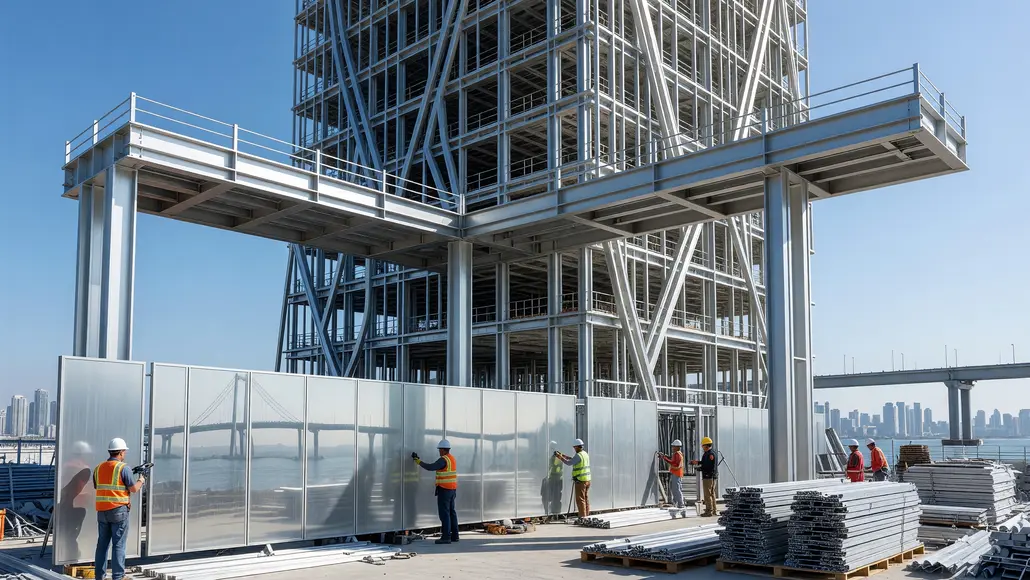


The landscape of global infrastructure is undergoing a silent yet profound metamorphosis, driven by the strategic integration of advanced aluminium materials construction. For decades, the construction sector relied heavily on traditional steel and concrete, but the emergence of high-performance aluminium alloys has fundamentally shifted the paradigm. This transition is not merely a matter of material substitution; it represents a comprehensive leap in engineering capability, where the inherent properties of aluminium lightweight nature, exceptional strength-to-weight ratio, and innate corrosion resistance are being leveraged to create structures that were previously deemed impossible or financially unviable. The sophistication of these materials allows for a level of architectural freedom that was once limited by the mass and rigidity of heavier metals, enabling the realization of complex, gravity-defying designs that define the modern urban aesthetic.
Historically, aluminium was often relegated to secondary architectural elements such as window frames or decorative cladding. However, modern metallurgy has birthed a new generation of structural alloys, particularly within the 6000 and 7000 series, which rival the load-bearing capacities of structural steel while maintaining a fraction of its mass. This specific evolution in advanced aluminium materials construction allows engineers to design larger spans and more complex geometries in bridges, high-rise buildings, and industrial facilities. The reduced dead load of these structures significantly decreases the demands on foundations, leading to a cascading effect of cost savings and reduced environmental impact during the initial phases of site preparation and excavation. By reducing the overall weight of the building envelope, developers can achieve higher densities on sites with challenging soil conditions, effectively unlocking land value that would otherwise remain dormant.
Engineering Superiority Through Metallurgical Innovation
The true power of advanced aluminium materials construction lies in its molecular adaptability. By meticulously controlling the addition of elements such as magnesium, silicon, and zinc, manufacturers can tailor the material’s performance to meet the exact requirements of a specific project. In coastal environments or high-pollution urban centers, the use of corrosion resistant aluminium becomes a critical factor in lifecycle management. Unlike steel, which requires constant maintenance and protective coatings to prevent oxidation, aluminium naturally develops a microscopic oxide layer that protects the underlying metal. This self-healing characteristic ensures that modern infrastructure materials remain structurally sound for decades with minimal intervention, drastically reducing the total cost of ownership for public and private stakeholders. This chemical stability is particularly vital in infrastructure projects designed for a century-long lifespan, where the degradation of structural steel would necessitate frequent and costly refurbishments.
Furthermore, the versatility of aluminium construction materials extends to their workability. The extrusion process allows for the creation of intricate, multi-functional profiles that combine structural support with integrated channels for thermal breaks, electrical wiring, or drainage systems. This level of integration simplifies the assembly process on-site, moving construction away from traditional labor-intensive methods toward a more precise, industrialized approach. In an era where project timelines are increasingly compressed, the ability to rapidly deploy prefabricated aluminium components is a significant competitive advantage for contractors and developers alike. The precision of these components ensures a tighter building envelope, which directly translates to better thermal performance and a reduction in the energy required for climate control over the building’s operational life.
The Role of High-Strength Alloys in Load-Bearing Systems
When we examine the structural integrity of modern infrastructure, the transition to advanced aluminium materials construction is most evident in the development of 7000-series alloys. These zinc-based compositions offer the highest strength of all aluminium alloys, making them ideal for high-stress applications in bridge girders and heavy-duty industrial framing. When integrated into a holistic design, these materials allow for a “lightness of form” that enhances aesthetic appeal without compromising safety. The ability of lightweight building materials to withstand seismic activity also adds a layer of resilience to urban centers located in volatile geological zones. Aluminium’s ductility allows it to absorb energy and deform without catastrophic failure, a property that is increasingly prioritized in contemporary building codes designed to safeguard human life during natural disasters.
Beyond the mechanical benefits, the aesthetic flexibility provided by advanced aluminium materials construction cannot be overstated. Architects are no longer restricted to the rigid, linear forms imposed by traditional metals. The ease with which aluminium can be curved, folded, and finished in a vast array of colors and textures allows for the creation of iconic landmarks that define city skylines. Whether it is the sleek, reflective facade of a corporate headquarters or the intricate latticework of a public transit hub, aluminium serves as a canvas for architectural expression, bridging the gap between functional engineering and artistic vision. This adaptability also facilitates the creation of “smart” building skins that can respond to environmental changes, utilizing movable aluminium louvers to optimize solar gain and natural ventilation.
Redefining Sustainability in Infrastructure Development
The global push toward carbon neutrality has placed a spotlight on sustainable aluminium as a cornerstone of green building initiatives. One of the most compelling arguments for advanced aluminium materials construction is the metal’s infinite recyclability. Approximately 75% of all aluminium ever produced is still in use today, a testament to the efficiency of the circular economy surrounding this material. Recycling aluminium requires only about 5% of the energy needed for primary production, meaning that as we dismantle old structures, the material can be reborn into new, high-performance components without any loss of quality. This closed-loop system is essential for reducing the embodied carbon of modern infrastructure materials and aligning the construction industry with global climate goals.
Moreover, the lightweight building materials offered by the aluminium industry contribute significantly to operational energy efficiency. In curtain wall systems, aluminium’s ability to host sophisticated thermal insulation and high-performance glazing helps to regulate indoor temperatures, reducing the reliance on HVAC systems. This synergy between material science and environmental stewardship is a key driver for the adoption of advanced aluminium materials construction in projects aiming for LEED or BREEAM certification. By selecting aluminium, developers are making a long-term investment in both the durability of the structure and the health of the planet. The material’s low maintenance requirements further enhance its sustainability profile, as it eliminates the need for chemical-heavy paints and treatments that can leach into the surrounding ecosystem over time.
Enhancing Lifecycle Longevity and Maintenance Efficiency
The durability of modern infrastructure materials is often measured by their ability to withstand the test of time and environmental stressors. Advanced aluminium materials construction excels in this regard, particularly in harsh climates where moisture, salt, and temperature fluctuations can rapidly degrade other metals. The use of corrosion resistant aluminium in bridges and marine structures eliminates the need for periodic repainting and chemical treatments, which not only saves money but also prevents toxic runoff from entering the ecosystem. This “set-and-forget” quality is increasingly valued by municipalities responsible for maintaining vast networks of public assets with limited budgets.
As we look toward the future of the built environment, the integration of smart technologies into advanced aluminium materials construction is the next frontier. Researchers are currently exploring the use of embedded sensors within aluminium extrusions to monitor structural health in real-time. These “intelligent” materials could provide early warnings of stress or deformation, allowing for proactive maintenance and further extending the lifespan of the infrastructure. This fusion of metallurgy and digital innovation ensures that aluminium will remain at the forefront of the construction industry for generations to come, providing the strength, beauty, and sustainability required by our modern world. The transition to these advanced materials is not just a trend but a fundamental shift in how we build for a resilient future.
Navigating the Future of Advanced Material Integration
As the construction industry continues to evolve, the integration of advanced aluminium materials construction will likely become the standard for high-performance buildings. The move toward modularity and off-site manufacturing is perfectly suited to the characteristics of aluminium, which can be precision-engineered in a factory setting and then rapidly assembled on-site. This reduction in construction time not only lowers costs but also minimizes the disruption to urban environments, making it an ideal choice for the infill projects and high-density developments that are increasingly common in our cities. The ability to create “kit-of-parts” systems for housing and commercial spaces using aluminium frames provides a scalable solution to the global housing crisis, offering durability and speed that traditional methods cannot match.
In conclusion, the transformation of the construction sector through advanced aluminium materials construction is a testament to the power of material science to solve complex engineering and environmental challenges. By prioritizing lightweight building materials and corrosion resistant aluminium, the industry is building structures that are more efficient, more beautiful, and more enduring. The commitment to sustainable aluminium ensures that this progress does not come at the expense of the planet, but rather supports a circular economy that will benefit future generations. As we push the boundaries of what is possible in architecture and engineering, aluminium will undoubtedly remain the material that bridges the gap between imagination and reality.