


























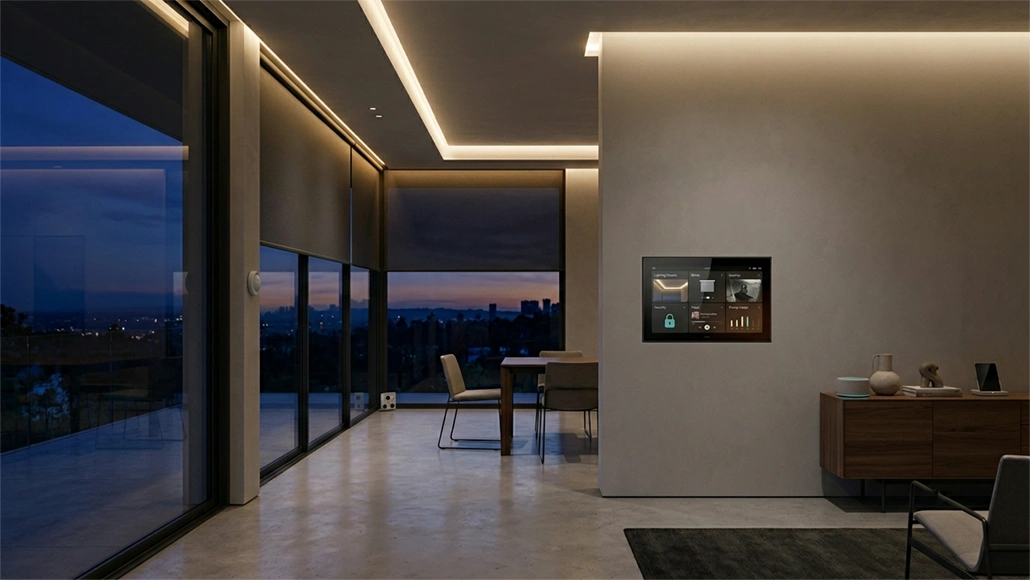


The contemporary residential landscape is experiencing an unprecedented evolution driven by rapid technological advancements and changing consumer expectations. Today, the concept of a home has transitioned from a static physical shelter to a dynamic, interconnected ecosystem. This shift is primarily propelled by smart home integration transforming modern living spaces, a phenomenon that merges hardware, software, and network infrastructure to deliver elevated levels of convenience, security, and resource management. Far from being a luxury reserved for tech enthusiasts, integrated home technology is rapidly becoming a fundamental pillar of modern residential design and construction. Understanding the mechanisms, benefits, and future trajectory of this transition is essential for developers, designers, and homeowners alike.
At its core, the transformation of residential spaces hinges on interoperability. Historically, home automation consisted of isolated systems such as a programmable thermostat or a security alarm operating independently of one another. The modern era of connected living, however, is defined by unified platforms that allow diverse devices to communicate and coordinate actions. This seamless coordination is powered by sophisticated intelligent building systems that utilize advanced communication protocols to bind lighting, climate control, entertainment, security, and appliances into a cohesive network. By centralizing management through smart hubs, voice interfaces, or mobile applications, users can orchestrate complex routines that adapt to their daily schedules and personal preferences, thereby redefining the everyday human experience within the home.
The Architectural Integration of Home Automation
Achieving a fully integrated domestic environment requires a proactive approach to residential planning and construction. Incorporating smart home integration transforming modern living spaces is no longer an afterthought or a retrofitting exercise it must be embedded directly into the architectural blueprints. During the early phases of design, architects and system engineers collaborate to map out structural pathways for high-speed fiber optics, localized wireless access points, and dedicated utility spaces for centralized hardware. This foresight ensures that the physical home can support the high bandwidth and low latency required by dozens of simultaneously operating connected devices. By treating technology as an essential building utility, much like plumbing or electrical wiring, builders can deliver homes that are both aesthetically clean and prepared for future technological advancements.
Furthermore, the physical materials and spatial layouts of modern residences are evolving to accommodate these invisible networks. Smart construction technology now guides the selection of building materials that minimize wireless signal interference, while specialized containment units conceal complex cabling systems behind walls and floors. From flush-mounted touchscreen interfaces that blend seamlessly with minimalist plasterwork to motorized shading systems hidden within window cornices, the physical manifestations of technology are designed to be unobtrusive. This union of form and function ensures that while the home possesses advanced intelligence, its interior design remains warm, uncluttered, and deeply human-centric, embodying the true spirit of personalized connected living.
Interoperability Protocols and Industry Standards
The practical success of any home automation deployment depends heavily on the communication protocols that govern device interactions. For many years, the market suffered from fragmentation, with competing manufacturers utilizing proprietary communication standards that locked consumers into closed ecosystems. However, the emergence of open-source and cross-brand standards, such as Zigbee, Z-Wave, and most recently, Matter, has fundamentally altered the landscape. These protocols operate on mesh networking principles, where each connected device acts as a signal repeater, expanding the network’s range and reliability. This collaborative industry framework enables a lighting fixture from one brand, a motion sensor from another, and a thermostat from a third to operate in perfect harmony, reducing installation complexity and consumer frustration.
The Role of Edge Computing in Residential IoT
As the density of connected sensors within the home increases, the traditional model of relying solely on cloud servers for data processing faces critical limitations regarding latency, bandwidth, and privacy. Consequently, intelligent building systems are increasingly adopting edge computing architectures. By processing sensor data locally on a powerful home hub rather than transmitting it to distant external servers, automated routines can execute instantly. For instance, a local motion sensor can trigger a hallway light in milliseconds, even if the home’s primary internet connection is temporarily offline. Moreover, edge computing enhances data security by keeping sensitive household behavioral patterns within the physical walls of the residence, addressing one of the most prominent consumer concerns regarding the internet of things.
Elevating Resource Management and Sustainability
Beyond the undeniable convenience of automated lighting and voice-controlled entertainment, smart home integration transforming modern living spaces serves as a powerful catalyst for environmental sustainability. Residential buildings are major consumers of global energy, and optimization in this sector is critical for mitigating carbon footprints. Automated systems address this challenge through continuous, real-time monitoring and algorithmic adjustments of utility usage. Smart thermostats learn the occupancy patterns of a household, gradually lowering heating or cooling levels when the home is empty and restoring optimal comfort just before occupants return. Similarly, automated window coverings dynamically adjust to solar heat gain, opening to warm spaces during cold winter mornings and closing to reject heat during hot summer afternoons, thereby reducing the load on mechanical HVAC systems.
Water conservation is another vital aspect of the resource-efficient smart home. Intelligent irrigation systems analyze localized weather forecasts, soil moisture sensors, and plant types to deliver the precise amount of water required, preventing wasteful overwatering. Indoors, smart flow monitors track water consumption across individual fixtures, alerting homeowners to hidden leaks behind walls before they cause structural damage or lead to exorbitant utility bills. By transforming resource consumption from a passive, unmonitored expense into an active, optimized process, integrated systems empower households to align their daily lives with broader environmental conservation efforts while enjoying substantial financial savings.
Smart Grids and Home Energy Storage Coordination
The integration of residential technology extends outward to interact with public utility infrastructure. Modern homes equipped with solar photovoltaic arrays and localized battery storage systems can utilize advanced energy management software to coordinate with smart electrical grids. During peak demand periods, when utility electricity prices are highest, the home can automatically disconnect from the public grid and run on stored battery power. Conversely, during off-peak hours or periods of high solar production, the system can recharge the home storage batteries or feed excess clean energy back into the municipal grid. This dynamic interaction not only lowers individual utility costs but also stabilizes the public energy infrastructure, facilitating a smoother transition toward a renewable energy grid.
Redefining Home Security and Occupant Well-being
The peace of mind afforded by comprehensive, proactive security is a major driver behind the adoption of home automation systems. Traditional alarm systems were reactive, alerting authorities only after a breach had occurred. In contrast, modern security ecosystems rely on preventative intelligence. High-definition cameras equipped with on-device computer vision can distinguish between a family pet, a delivery courier, and an unauthorized intruder, sending highly accurate alerts to homeowners’ smartphones. Smart locks allow residents to grant temporary digital keys to service providers or guests, eliminating the security risks associated with physical keys. Furthermore, should a sensor detect an anomaly such as smoke, carbon monoxide, or water ingress, the system can instantly shut off main water valves, deactivate HVAC circulation to prevent smoke propagation, and illuminate exit paths to ensure a safe evacuation.
Simultaneously, the focus of connected living is expanding to encompass holistic occupant health and wellness. Human-centric lighting systems represent a significant breakthrough in this area, automatically shifting the color temperature and intensity of indoor lights throughout the day to mirror the natural solar cycle. Cool, high-intensity blue light in the morning boosts alertness and productivity, while warm, low-intensity amber light in the evening promotes the natural production of melatonin, encouraging restful sleep. Air quality monitors continuously assess particulate matter, carbon dioxide levels, and humidity, automatically activating mechanical ventilation systems or air purifiers when thresholds are exceeded. By actively managing these environmental variables, smart homes foster spaces that actively support the physiological and psychological well-being of their inhabitants.
Navigating Challenges in the Smart Residential Sector
Despite the immense promise of integrated residential technologies, the path to widespread adoption is not without obstacles. High initial capital costs remain a significant hurdle for many homeowners and developers. The expense of purchasing high-quality smart devices, combined with the specialized labor required for professional installation and programming, can add a premium to building budgets. However, industry analysts suggest that these costs are increasingly offset by long-term energy savings, reduced maintenance expenses, and the heightened market value of technologically advanced properties. As the hardware supply chain matures and installation workflows standardize, the cost of entry is projected to steadily decrease, democratizing access to intelligent living spaces.
Another critical challenge lies in long-term system maintenance and software obsolescence. Unlike traditional home components like doors or drywall, which can last for decades without intervention, smart devices rely on continuous software support. If a manufacturer ceases software updates or goes out of business, a previously functional device can become a security vulnerability or lose its smart capabilities entirely. To mitigate this risk, forward-thinking builders and integrators emphasize the selection of devices backed by reputable, established brands and built on open, non-proprietary standards. Establishing clear service agreements and education protocols ensures that homeowners understand how to update their systems, manage access credentials, and troubleshoot minor network issues, safeguarding the long-term utility of their technology investments.
The Horizon of Connected Living
Looking to the future, the integration of artificial intelligence and machine learning is poised to elevate smart home technology to unprecedented levels of autonomy. We are rapidly moving away from a command-based paradigm, where users must actively press buttons or issue voice commands, toward a predictive paradigm. Future intelligent homes will analyze historical usage patterns, physiological data from wearable devices, and environmental forecasts to anticipate occupant needs before they are explicitly expressed. The home will quietly adjust itself in the background, creating a seamless, invisible buffer of comfort and efficiency that enhances the quality of life without demanding conscious attention.
Ultimately, smart home integration transforming modern living spaces represents far more than a collection of novel gadgets it is a fundamental reimagining of the domestic environment. By weaving intelligence directly into the physical structure of our homes, we create spaces that are safer, more sustainable, deeply personalized, and highly supportive of human health. As technology continues to mature and integrate deeper with architecture, the boundaries between physical spaces and digital intelligence will dissolve, giving rise to homes that truly understand, protect, and nurture the families living within them.