

























The rapid expansion of urban centers around the world is placing an unprecedented strain on existing systems, necessitating a fundamental rethink of how we build and maintain the physical backbone of our society. As a veteran of the construction and infrastructure sector for over fifteen years, I have seen how the focus has shifted from simple expansion to a more nuanced approach centered on resilience, connectivity, and sustainability. The infrastructure development trends we are witnessing today are not just about adding more roads or taller buildings; they are about creating integrated urban ecosystems that can adapt to the challenges of climate change and a digital-first economy. This transformation is being driven by the need for more efficient resource management, a global push for decarbonization, and the rapid advancement of smart city technologies.
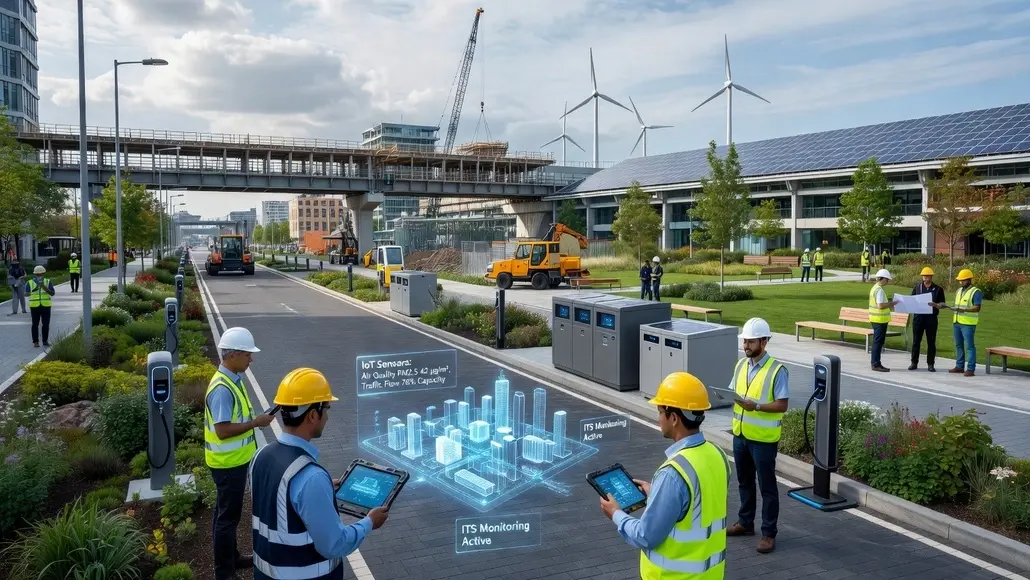
In the past, infrastructure was often viewed in silos transportation, energy, water, and waste were managed independently. Today, the most successful urban projects are those that recognize the interconnectedness of these systems. We are moving toward a model where a single piece of infrastructure can serve multiple purposes. For instance, a smart road can not only facilitate transport but also generate solar power and collect data on traffic patterns and air quality. This holistic view is the hallmark of modern infrastructure development trends, ensuring that our cities are not just collections of buildings but cohesive, living entities that support the well-being of their inhabitants.
The Shift Toward Smart and Connected Transportation
Transportation is the lifeblood of any city, and its evolution is a primary focus of current infrastructure development trends. We are moving away from car-centric designs toward multi-modal systems that prioritize public transit, cycling, and walking. High-speed rail and expanded subway networks are becoming the preferred method for connecting metropolitan areas, reducing the reliance on short-haul flights and long-distance driving. These projects are not only more efficient but also essential for meeting the carbon reduction targets that many cities have set for the coming decades.
Intelligent Transport Systems (ITS) and Mobility-as-a-Service
Beyond the physical tracks and roads, the digital layer of transport infrastructure is becoming increasingly sophisticated. Intelligent Transport Systems (ITS) use real-time data from sensors and cameras to optimize traffic flow, reducing congestion and the associated emissions. Furthermore, the rise of Mobility-as-a-Service (MaaS) platforms is allowing city dwellers to plan, book, and pay for multiple modes of transport through a single interface. This seamless integration is encouraging more people to move away from private car ownership, a key trend in urban infrastructure that is freeing up valuable city space for other uses.
Electric Vehicle (EV) Integration and Charging Networks
As the transition to electric vehicles accelerates, the infrastructure required to support them is becoming a major component of urban planning. Cities are now integrating high-capacity charging networks into their existing power grids, ensuring that the necessary energy is available where and when it is needed. This is not just about placing chargers in parking lots; it is about redesigning the grid to handle the increased load and incorporating smart charging technologies that can balance demand. This intersection of transport and energy infrastructure is a critical element of the modern smart city.
Resilient Design in the Face of Climate Change
The increasing frequency and severity of extreme weather events have made resilience a top priority in infrastructure development trends. We are seeing a move away from “gray” infrastructure which relies on traditional materials like concrete and steel toward “green” and “blue” infrastructure that mimics natural systems. For example, sponge cities use permeable surfaces, rain gardens, and wetlands to manage stormwater, reducing the risk of flooding and recharging local aquifers. These nature-based solutions are proving to be more effective and sustainable than traditional drainage systems in many urban environments.
Hardening Critical Infrastructure and Redundancy
In addition to nature-based solutions, we are also seeing a focus on “hardening” critical infrastructure to withstand the impacts of climate change. This includes elevating power stations above flood levels, reinforcing bridges against high winds, and building more resilient water and sewage systems. Furthermore, the principle of redundancy ensuring that there are multiple ways for a system to function even if one part fails is becoming a standard feature of modern infrastructure projects. This proactive approach to resilience is essential for ensuring that our cities can continue to function in an increasingly uncertain future.
Sustainable Energy Grids and Decentralization
The way we generate and distribute energy in our cities is also undergoing a major transformation. Traditional centralized power plants are being supplemented by decentralized microgrids that incorporate renewable energy sources like solar and wind. These microgrids can operate independently of the main grid during an emergency, providing a crucial layer of resilience for critical facilities like hospitals and emergency services. This shift toward a more distributed and sustainable energy infrastructure is a key trend that is reshaping the urban landscape.
The Role of Data and the Digital Twin of the City
Data is the invisible infrastructure that is powering the modern city. By using sensors and the Internet of Things (IoT), city planners can collect real-time data on everything from noise levels and air quality to waste management and energy usage. This information is being used to create “digital twins” of entire cities virtual replicas that allow planners to simulate the impact of new projects or policy changes before they are implemented. This data-driven approach is ensuring that infrastructure development trends are based on evidence rather than intuition, leading to more efficient and equitable urban growth.
Smart Waste Management and Circular Economy
One of the less visible but equally important infrastructure development trends is the move toward smart waste management. By using sensors to monitor bin levels and optimize collection routes, cities can reduce the cost and environmental impact of waste disposal. Furthermore, we are seeing a focus on the circular economy, where waste is seen as a resource to be recovered and reused. This includes the development of sophisticated sorting facilities and waste-to-energy plants that can turn organic waste into clean power. This shift is essential for reducing the environmental footprint of our growing urban populations.
Enhancing Public Spaces and Social Infrastructure
Finally, we must not overlook the importance of social infrastructure in our cities. Public spaces like parks, plazas, and community centers are the places where urban residents interact and connect. Modern infrastructure development trends are prioritizing the creation of high-quality public spaces that are accessible to everyone, regardless of their background or income. By investing in these “soft” elements of the city, we can create more vibrant and inclusive communities that are better equipped to handle the challenges of the future. This holistic view of infrastructure incorporating both the physical and the social is the key to creating cities that are truly sustainable and resilient.
The future of our global cities depends on our ability to build and maintain infrastructure that is both technologically advanced and environmentally responsible. The infrastructure development trends we are seeing today from smart transport and resilient design to decentralized energy and data-driven planning are providing us with the tools to create a more sustainable and equitable urban future. As construction and infrastructure professionals, we have a unique opportunity to lead the way and show the world that it is possible to build cities that are not just functional and efficient but also beautiful and resilient. The journey toward the cities of tomorrow is a long and challenging one, but it is a journey that we must take if we are to ensure a prosperous future for our planet.