






















The contemporary city is a dynamic ecosystem, constantly evolving to meet the demands of growing populations, technological shifts, and environmental pressures. In this high-stakes arena of urban development, the emergence of lightweight aluminium structures urban design has become a transformative force. Historically, the weight of building materials was a primary constraint on architectural ambition, dictating everything from the depth of foundations to the height of skylines. However, the unique properties of aluminium most notably its exceptional strength-to-weight ratio have unlocked a new era of lightweight architecture, where the limits of structural form and urban density are being aggressively pushed and redefined. This shift is not merely aesthetic; it is a fundamental revaluation of how we use space and resources in an increasingly crowded world.
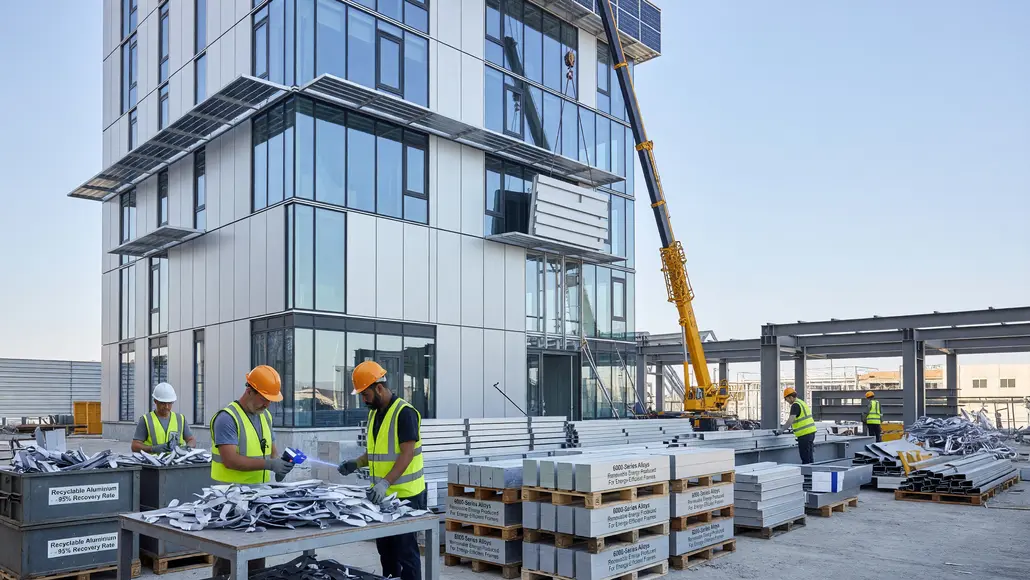
As we move toward a more integrated and efficient urban future, the role of aluminium structures as primary urban construction materials is becoming increasingly prominent. This shift is driven by a need for agility in design and execution. In densely populated metropolitan areas, the logistics of traditional construction are often prohibitive; heavy machinery, large storage footprints, and long curing times for concrete create significant disruption. Aluminium, by contrast, allows for a more surgical approach to city-building. Its lightness enables the pre-fabrication of large-scale components that can be easily transported and rapidly assembled on-site, minimizing the impact on local traffic and the surrounding community. This ability to perform “infill” construction with minimal footprint is essential for modernizing existing urban fabrics without destroying their character.
The Versatility of Aluminium in High-Density Environments
The strategic application of lightweight aluminium structures urban design is perhaps most visible in the vertical expansion of our cities. As developers look to maximize the utility of existing urban real estate, rooftop extensions and “air rights” developments have become common. In these scenarios, the added load on the existing structure is a critical engineering challenge. Aluminium’s low density makes it the ideal material for adding functional space without necessitating costly and invasive reinforcement of the original building’s foundations. This capability is breathing new life into historic districts, allowing for modern interventions that respect the past while providing for the needs of the present. By utilizing these “skyward” spaces, cities can grow more dense and vibrant without expanding their physical footprint into greenbelts.
Beyond simple weight reduction, the flexibility of aluminium allows for complex, organic geometries that would be technically or financially impossible with steel or timber. The ability to extrude and curve aluminium into precise, multi-functional profiles has led to a renaissance in facade design. Modern building envelopes are no longer static skins; they are sophisticated membranes that integrate structural support, thermal management, and aesthetic expression. By employing lightweight aluminium structures urban design, architects can create dynamic, responsive buildings that mirror the energy and fluidity of the city itself. These structures are not just passive inhabitants of the urban fabric; they are active participants in the aesthetic and functional life of the streetscape, often serving as iconic landmarks that foster a sense of place and community.
Modular Construction and the Rise of the Smart City
One of the most significant trends supported by lightweight architecture is the shift toward modular construction. The precision manufacturing of aluminium components ensures a level of accuracy that is difficult to achieve with traditional site-built methods. Entire room modules, service pods, and structural frames can be produced in a factory setting, where quality control is maximized and waste is minimized. This modular approach is essential for the rapid deployment of housing, healthcare facilities, and temporary infrastructure in response to urban crises or rapid growth. The ease with which these aluminium structures can be disassembled, relocated, and reused makes them a key component of the smart city materials toolkit, supporting a circular approach to urban planning.
In the context of the smart city, aluminium’s conductivity and non-magnetic properties also play a silent but vital role. As our urban environments become increasingly data-driven, the integration of sensors, telecommunications hardware, and renewable energy systems into the building fabric is paramount. Aluminium’s ability to host these technologies without interference, while also acting as an effective heat sink for electronics, makes it the preferred material for the “nervous system” of modern buildings. When we speak of lightweight aluminium structures urban design, we are not just referring to the physical frame, but to a holistic system that supports the digital and energy needs of the 21st-century urbanite. These “intelligent” buildings can monitor their own energy use, air quality, and structural health, providing data that helps cities run more efficiently.
Durability and Resilience in the Face of Climate Change
As climate change intensifies, the resilience of our urban construction materials is under scrutiny. Cities are increasingly vulnerable to extreme weather events, from hurricanes and floods to seismic activity. Lightweight aluminium structures urban design offers a unique advantage in these scenarios. Aluminium’s inherent ductility its ability to deform and absorb energy without breaking makes it highly resilient to the lateral forces generated by earthquakes. Furthermore, its natural resistance to corrosion ensures that structures remain safe and aesthetically pleasing even in harsh, salt-heavy coastal environments or high-pollution zones. This longevity reduces the need for frequent replacement, which is a critical factor in the long-term sustainability and economic stability of urban development.
Moreover, the thermal performance of aluminium systems contributes to the mitigation of the urban heat island effect. By integrating advanced glazing and high-reflectivity finishes, aluminium-framed facades can reduce the amount of heat absorbed by the city’s building stock. When combined with green walls and integrated vertical gardens supported by lightweight aluminium trellises the built environment can actively work to cool the surrounding air and improve local biodiversity. This intersection of material science and urban ecology is a fundamental tenet of contemporary urban design. The use of aluminium structures allows for the creation of “living” buildings that adapt to their environmental context while providing a healthy, comfortable sanctuary for their inhabitants.
Economic Efficiency and the Future of Large-Scale Projects
From an economic perspective, the adoption of lightweight aluminium structures urban design is driven by a comprehensive analysis of lifecycle costs. While the initial material cost of aluminium may be higher than that of basic structural steel, the savings in foundation costs, labor, transportation, and long-term maintenance often tip the balance in its favor. In large-scale global construction projects, these efficiencies are amplified. The ability to complete a project faster and with fewer resources means a quicker return on investment for developers and less strain on public budgets for infrastructure projects. As the global economy becomes increasingly focused on efficiency and transparency, the measurable benefits of aluminium are becoming a central part of the procurement process for forward-thinking cities.
As we look toward the future, the partnership between lightweight aluminium structures urban design and emerging technologies like 3D printing and robotic assembly will further revolutionize the way we build. We are entering an era where the structural optimization of every component can be calculated to the gram, ensuring that we use only what is necessary to achieve the desired performance. This “ethic of lightness” is not just an aesthetic preference; it is a prerequisite for a planet with finite resources. By embracing aluminium, the urban design community is choosing a path of precision, beauty, and responsibility, ensuring that our cities remain vibrant hubs of human potential for generations to come. The future of urbanism is lightweight, adaptable, and inherently connected to the materials that make it possible.
Conclusion: Designing the Adaptive City
The transformation of urban design through lightweight aluminium structures represents a move toward more flexible and responsive cities. By breaking free from the weight and rigidity of traditional construction, we can create spaces that evolve with the people who inhabit them. The integration of modularity, durability, and smart technology ensures that our urban infrastructure is prepared for the challenges of the future, from climate change to rapid population growth. Aluminium is the catalyst for this change, providing the material foundation for a new generation of architecture that is as light and dynamic as the digital world we live in. As we continue to redefine urban design, the pursuit of lightness will remain the guiding principle for creating a more sustainable and livable world.