

























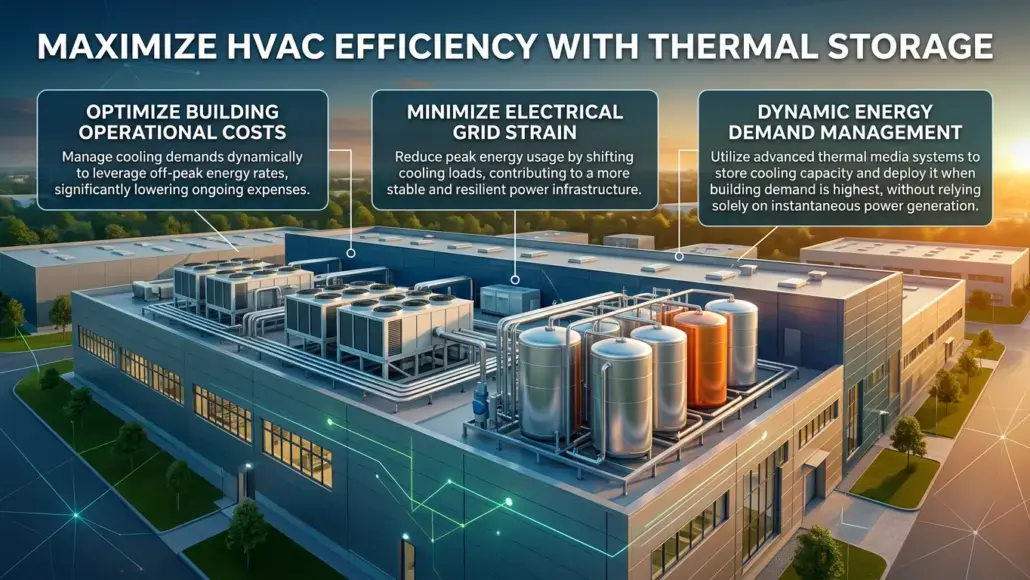


The integration of advanced cooling solutions within the commercial construction sector has become a primary focus for engineers seeking to optimize operational costs and minimize electrical grid strain. One of the most effective methods for achieving these goals involves the deployment of systems that manage energy demand dynamically rather than relying on instantaneous generation. The use of thermal media for load management stands as a critical technology in this space, providing a mechanism to decouple the timing of cooling production from its consumption. By utilizing specialized mediums such as ice, water, or phase change materials, building operators can store cooling capacity during periods of low electrical demand and discharge it when requirements peak. This strategy directly addresses the challenges associated with high electricity prices and grid stability, ensuring that large scale facilities maintain comfortable environments without incurring excessive utility charges.
Operational mechanics of thermal energy storage systems
The fundamental principle behind this technology relies on the thermal properties of storage mediums to capture energy for later use. In most commercial applications, this involves the creation of ice or the cooling of large volumes of water during nighttime hours. During these off peak periods, ambient temperatures are typically lower, which improves the efficiency of the chillers. In addition to improved chiller performance, electricity rates are often significantly reduced, allowing the facility to produce cooling capacity at a fraction of the daytime cost. The stored thermal energy is then distributed through the building’s hydronic network during the hottest parts of the day, effectively reducing the load on primary cooling equipment. This process requires sophisticated control systems to monitor ambient conditions, building occupancy, and storage levels to ensure that the discharge cycle aligns with the actual thermal needs of the structure.
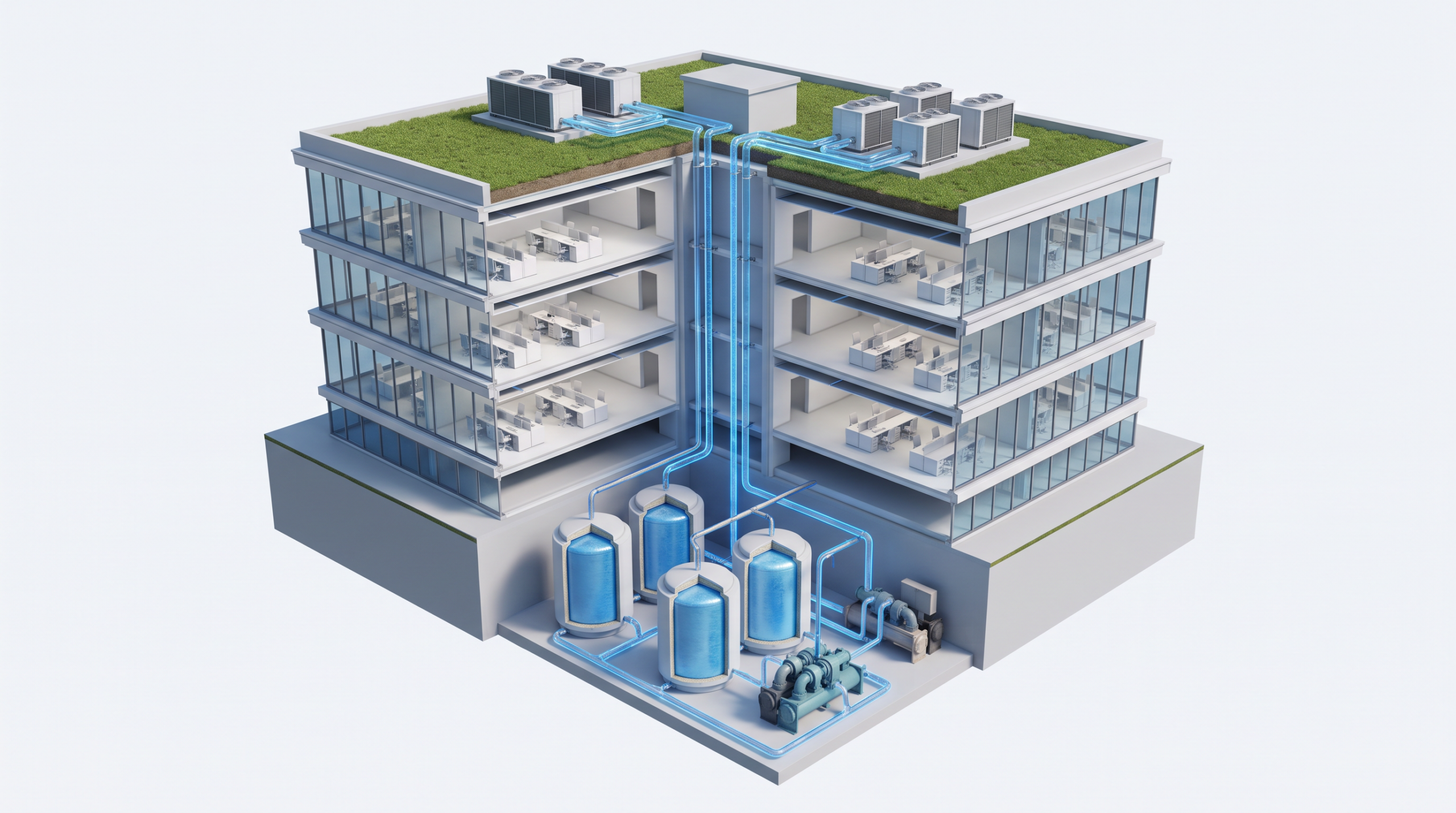
Modern installations frequently utilize ice-on-coil technology, where a secondary coolant flows through a series of heat exchangers submerged in a water tank. As the coolant temperature drops below the freezing point, ice forms on the exterior of the coils, creating a dense reservoir of cooling potential. When the building requires cooling, the system switches to discharge mode, circulating the coolant back through the tank to absorb heat before moving to the air handling units. This transition must be managed with precision to avoid sudden shifts in indoor air quality or humidity levels. The selection of storage materials has also expanded to include phase change materials that offer higher energy densities and more flexible temperature ranges, allowing for tailored solutions that meet the specific architectural constraints of modern commercial developments. These advanced materials provide a more concentrated energy storage capacity, which is particularly useful in urban environments where mechanical room space is at a premium. By selecting the appropriate phase change temperature, engineers can ensure that the storage medium remains effective throughout the entire discharge cycle, maintaining consistent air temperatures for the building occupants.
Strategies for reducing peak electrical demand
Reducing the peak electrical load is a multi-faceted objective that requires careful planning during the design and construction phases. Advanced load shifting provides the flexibility needed to implement various load management strategies, such as full storage or partial storage configurations. In a full storage setup, the entire cooling load during peak hours is met by the stored energy, allowing the chillers to remain idle during the most expensive periods of the day. This approach offers the greatest financial benefit but requires significantly larger storage tanks and more substantial infrastructure. Partial storage, on the other hand, allows the chillers and the storage system to work in tandem, which reduces the required footprint of the storage tanks while still providing substantial demand reduction.
Implementing these strategies effectively involves several key considerations:
- Careful analysis of the facility’s daily load profile to identify the exact duration and magnitude of peak cooling requirements.
- Selection of storage tanks that fit within the building’s structural footprint without compromising other mechanical space.
- Integration of variable frequency drives on pumps and fans to further optimize energy consumption during the discharge cycle.
- Real-time monitoring of utility rates to adjust the charging and discharging schedules dynamically based on market conditions.
- Coordination with local grid operators to participate in demand response programs that offer additional financial incentives for load shifting.
The adoption of these methods ensures that the building remains resilient against fluctuations in energy supply and pricing. By smoothing out the electrical demand curve, construction projects can achieve higher levels of sustainability and operational efficiency. Additionally, the reduction in peak demand allows for the down-sizing of primary mechanical equipment, which can lead to lower initial capital expenditures for the HVAC plant. This synergy between storage capacity and chiller sizing represents a significant advancement in building design, moving away from traditional oversized systems toward more responsive and intelligent infrastructure.
Integration with existing commercial infrastructure
Retrofitting thermal energy storage into established commercial buildings presents unique engineering challenges that require a thorough understanding of existing hydronic and electrical systems. Unlike new construction projects where storage tanks can be integrated into the foundation or basement design, retrofits must account for available space, floor loading capacities, and the routing of new piping networks. The transition to a storage-based model often necessitates upgrades to the building’s control logic, ensuring that the existing building management system can communicate effectively with the storage plant. Proper hvac commissioning ensures that these storage systems are calibrated to handle building requirements without failure, providing a baseline for future performance monitoring.
The physical integration process involves connecting the storage tanks to the main chilled water loop, often through a series of heat exchangers or direct mixing valves. This connection must be designed to minimize pressure drops and maintain consistent flow rates across all cooling zones. In many cases, the addition of thermal energy storage allows for the retirement of older, less efficient chillers, as the storage capacity compensates for the reduced output of the remaining plant. This modernization of the cooling infrastructure not only improves reliability but also prepares the building for future environmental regulations and energy codes. Engineers must also consider the chemical treatment of the storage medium to prevent corrosion and biological growth, which can degrade the efficiency of the heat transfer surfaces over time.
Long term maintenance and system reliability
Ensuring the longevity of a storage-integrated HVAC system requires a proactive approach to maintenance and performance verification. Because the system operates in distinct cycles of charging and discharging, components such as valves, sensors, and pumps experience different wear patterns compared to traditional constant-run systems. Regular inspections should focus on the integrity of the storage tanks, the calibration of temperature sensors, and the functionality of the control valves that manage the flow between the chillers and the storage reservoir. Any deviation in the charging rate or the discharge temperature can indicate a loss of efficiency, potentially negating the financial benefits of the load-shifting strategy.
Advanced diagnostics and data analytics play a vital role in maintaining high levels of reliability. By tracking the energy input required to charge the system and the cooling output delivered during peak hours, facility managers can identify trends and schedule preventative maintenance before a major failure occurs. This data-driven approach also allows for the continuous optimization of the system’s logic, adjusting the charging start times or discharge rates to account for seasonal variations in weather and occupancy. The use of these stored cooling reserves contributes to a more stable indoor environment by providing a consistent source of cooling that is less susceptible to temporary disruptions in the electrical grid or mechanical failures in the primary chiller plant.
Economic impact of load shifting in construction
The financial justification for incorporating thermal energy storage into commercial construction projects extends beyond simple energy savings. While the reduction in monthly utility bills is the most immediate benefit, the long term economic impact includes lower equipment replacement costs, increased property value, and eligibility for various green building certifications. By reducing the peak load, the system extends the life of the chillers, as they are no longer required to operate at maximum capacity during the harshest conditions of the day. This reduction in mechanical stress translates to fewer repairs and a longer operational lifespan for the building’s most expensive assets.
The ability to shift electrical loads away from peak periods makes the building a valuable asset for utility companies. Many regions offer significant rebates and incentives for facilities that can demonstrate reliable demand reduction capabilities. These financial benefits, combined with the reduced cost of primary equipment, often result in a favorable return on investment for the storage system. In a competitive real estate market, buildings that can prove lower operating costs and higher sustainability ratings are more attractive to tenants and investors alike. This market differentiation is crucial for long term asset management, as it reduces the risk of functional obsolescence. As energy codes become more stringent, facilities with integrated storage will be better positioned to comply with future mandates without requiring expensive system overhauls. The strategic use of thermal energy storage thus serves as a cornerstone for modern construction practices, aligning economic goals with environmental responsibility to create high-performance commercial environments that are built for the future. Additionally, the integration of these systems facilitates a deeper synergy between mechanical design and building architecture, allowing for more creative uses of space and resources. This holistic approach to construction ensures that every component of the facility contributes to its overall efficiency and longevity, providing a stable foundation for commercial success in an increasingly resource-constrained world.