






















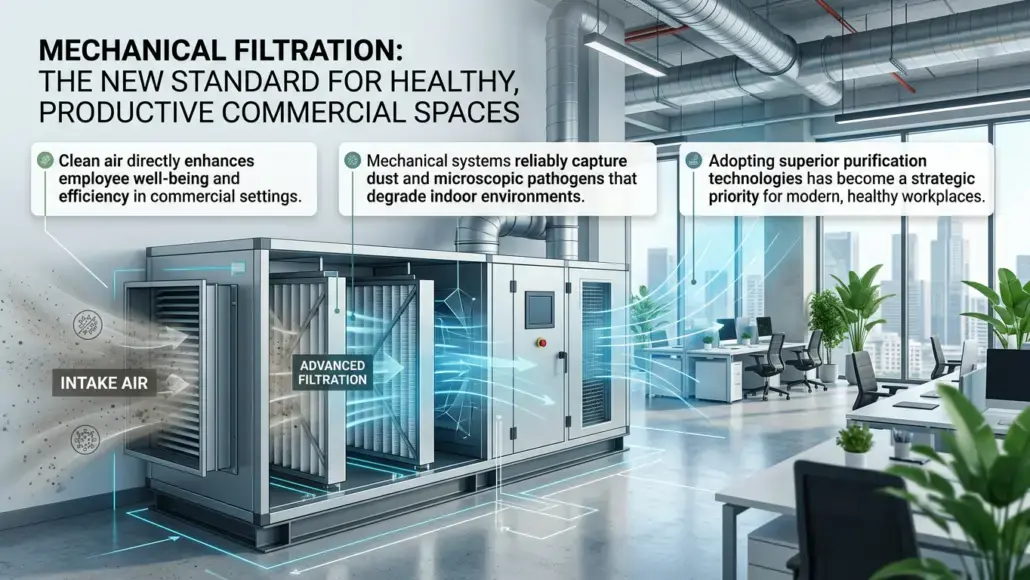


The emphasis on creating healthy indoor environments has reached unprecedented levels within the commercial construction sector. As businesses recognize the direct link between air quality and employee productivity, the demand for superior air purification technologies has surged. Central to this movement is the deployment of mechanical systems designed to capture and neutralize a wide spectrum of airborne contaminants, ranging from common dust to microscopic pathogens. The use of advanced filtration represents a proactive strategy for safeguarding the health of building occupants while simultaneously protecting sensitive mechanical equipment from the buildup of debris. By integrating high-efficiency filter media and specialized treatment technologies into the building’s air handling infrastructure, developers can ensure that the air within their facilities meets the highest standards of cleanliness and safety.
Technical specifications of high efficiency filter media
The effectiveness of an air filtration system is primarily determined by the quality and composition of the filter media used. In commercial applications, filters are typically categorized by their Minimum Efficiency Reporting Value, or MERV rating, which measures their ability to capture particles of varying sizes. Standard commercial buildings often utilize MERV 8 to 11 filters for general air cleaning, but high-performance facilities are increasingly specifying MERV 13 or higher. These superior filters are capable of capturing a significant percentage of fine particulates, including smoke, bacteria, and virus-carrying droplets. This level of technical precision is essential for maintaining a healthy environment in high-traffic commercial spaces such as offices, shopping centers, and educational institutions.
At the top tier of mechanical air cleaning are High-Efficiency Particulate Air filters, commonly known as HEPA. These filters are designed to capture at least 99.97% of particles as small as 0.3 microns, providing a level of protection that is required in critical environments like healthcare facilities and semiconductor cleanrooms. However, the use of such dense filter media requires a corresponding increase in fan power to overcome the added resistance to airflow. Engineers must carefully balance the need for high-efficiency cleaning with the building’s overall energy goals, often utilizing variable frequency drives and oversized filter housings to minimize the pressure drop across the media. This systematic approach to air cleaning ensure that the building remains a safe haven for its occupants without incurring excessive utility charges.
Strategies for multi stage air purification
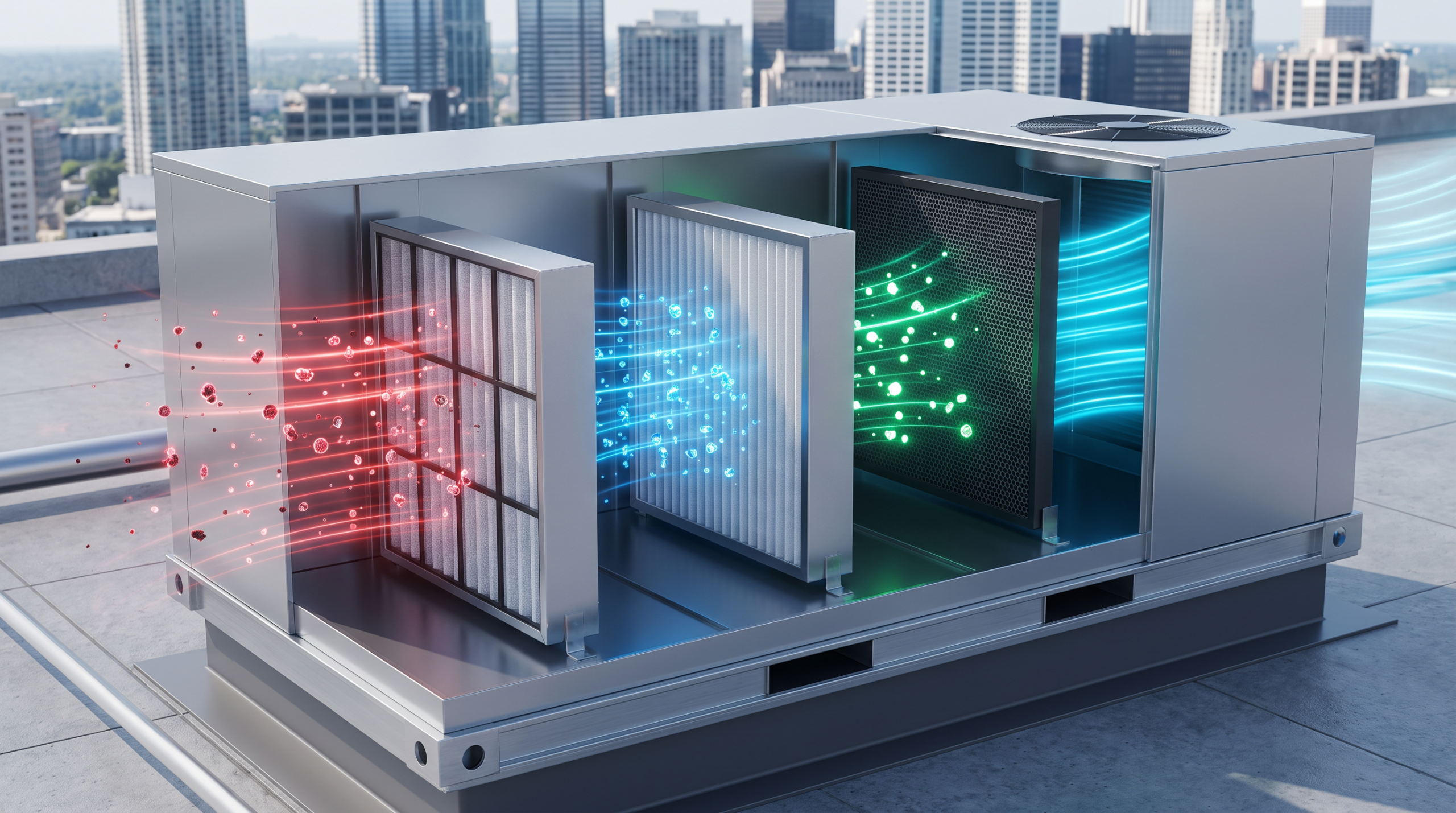
Achieving optimal indoor air quality often requires a multi-layered approach that combines different types of filtration and treatment technologies. By utilizing a series of filter stages, each targeting a specific type of contaminant, building operators can create a comprehensive defense against airborne hazards. This strategy not only improves the overall cleanliness of the air but also extends the life of the more expensive high-efficiency filters by capturing larger particles in the initial stages.
Common components of a multi-stage air purification system include:
- Pre-filters designed to capture large dust and debris, preventing them from clogging the downstream high-efficiency media.
- Activated carbon filters that utilize adsorption to remove odors, volatile organic compounds, and other chemical gases from the air stream.
- Ultraviolet Germicidal Irradiation systems that use UVC light to neutralize biological contaminants like mold, bacteria, and viruses.
- Bipolar ionization units that release ions into the air, causing small particles to cluster together so they can be more easily captured by the filters.
- High-resolution air quality sensors that monitor pollutant levels in real time, allowing the system to adjust the filtration rate as needed.
These technologies work in concert to create a resilient indoor environment. Maintaining precise air distribution is supported by the installation of pressure-independent control valves, which ensure that the hydronic coils receive the exact flow needed to treat the filtered air. This integration of mechanical components is a vital part of modern building design, ensuring that every part of the HVAC system contributes to the building’s wellness goals. The result is a facility that not only looks professional but also provides a tangible benefit to the health and well-being of its occupants.
Impact on building wellness and productivity
The primary driver for the adoption of advanced filtration is the desire to create a workspace that supports the high-level cognitive function and overall health of its employees. Numerous studies have shown that poor indoor air quality can lead to a range of symptoms, from headaches and fatigue to respiratory issues, all of which negatively impact productivity. By providing a constant supply of clean, filtered air, commercial buildings can reduce sick days and improve the focus of their staff. This focus on “human-centric” design is a key differentiator in the commercial real estate market, as tenants increasingly prioritize buildings that offer a measurable wellness benefit.
Beyond the immediate health benefits, high-quality air filtration also contributes to a more pleasant and professional atmosphere. By removing odors and stale air, the system ensures that the workspace remains fresh and inviting throughout the day. This is particularly important in environments where air is frequently recirculated, as the accumulation of carbon dioxide and other bio-effluents can quickly lead to a sense of lethargy among staff. The commitment to superior air quality is thus a strategic investment in the building’s most valuable asset: the people who work inside it. By prioritizing the health of the occupants, developers are creating a new generation of commercial facilities that are built for the future of work.
Operational maintenance and filter management
Ensuring the long term effectiveness of a high-performance filtration system requires a rigorous approach to maintenance and filter replacement. As filters capture contaminants, they gradually become more resistant to airflow, increasing the load on the fans and potentially reducing the overall ventilation rate. Most modern air handling units are equipped with differential pressure sensors that alert facility managers when a filter has reached the end of its useful life. It is critical that these filters are replaced according to the manufacturer’s recommendations to ensure that the air quality is not compromised and that the system continues to operate at peak efficiency.
Proper filter management also involves the careful handling and disposal of used media, particularly in facilities where hazardous biological or chemical contaminants are present. Facility staff should be trained in the correct procedures for changing filters to prevent the re-introduction of pollutants into the air stream. Additionally, the use of high-quality, durable filter frames and gaskets is essential for preventing air bypass, where uncleaned air leaks around the edges of the filter media. By maintaining a high standard of mechanical integrity, building operators can ensure that their investment in advanced filtration continues to deliver the expected health and wellness benefits for years to come. This focus on operational excellence is a hallmark of professional facility management, ensuring that the building’s mechanical systems are always performing at their best.
Long term value and sustainability goals
The incorporation of superior air cleaning technologies into commercial construction projects is a key component of a broader sustainability and wellness strategy. While the initial capital cost of high-efficiency filters and specialized treatment units is higher than for standard systems, the long term benefits often outweigh the investment. Many green building certifications, such as WELL and Fitwel, place a heavy emphasis on air quality, and achieving these ratings can increase the market value and attractiveness of a property. By demonstrating a commitment to environmental responsibility and occupant health, developers can secure higher lease rates and attract top-tier tenants.
Additionally, the use of advanced filtration can lead to significant energy savings by allowing for the more efficient operation of the overall HVAC system. For example, by keeping the cooling and heating coils clean, the filters ensure that heat transfer remains efficient, reducing the energy required to condition the air. This synergy between air quality and energy performance is a vital consideration for modern building design, as engineers seek to create facilities that are both healthy and sustainable. The ongoing evolution of filtration technology continues to provide new opportunities for the construction industry to elevate the standard of the built environment, creating commercial spaces that are as resilient as they are efficient. The strategic deployment of these systems is a testament to the industry’s dedication to creating high-quality, high-performance buildings that serve the needs of a changing world. In addition to these benefits, the integration of smart sensors and IoT-based monitoring platforms allows for even greater transparency in reporting air quality metrics to stakeholders. This level of data availability is crucial for building trust with tenants and proving that the facility’s health-focused infrastructure is delivering on its promises.
As the commercial real estate sector continues to adapt to new environmental challenges, the role of mechanical air cleaning will only grow in importance, providing a solid foundation for sustainable and healthy development. By investing in these technologies today, developers are not only meeting current needs but also future-proofing their assets against emerging health concerns and stricter environmental mandates. This forward-thinking approach ensures that every construction project contributes to a safer and more efficient urban landscape, supporting the long term prosperity of the communities they serve. Additionally, the focus on superior air quality aligns with global efforts to improve the environmental performance of the built environment, making it a key pillar of modern engineering excellence.