


















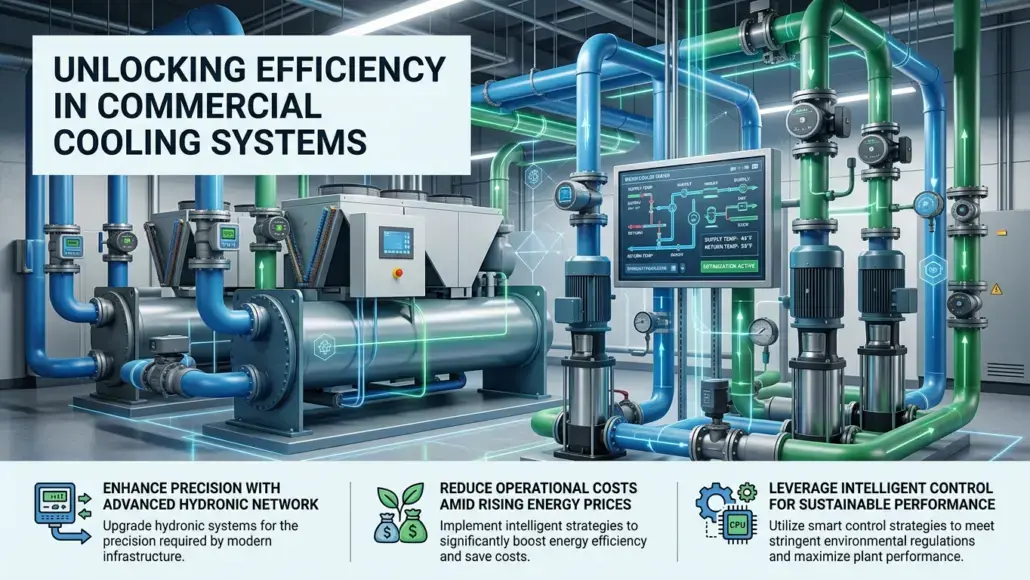


The cooling requirements of modern commercial infrastructure demand a level of precision that traditional HVAC designs often struggle to provide. As global energy costs rise and environmental regulations become more stringent, the focus on maximizing the efficiency of central cooling plants has intensified. Central to this effort is the process of enhancing the performance of the hydronic network through technological upgrades and intelligent control strategies. Chilled water optimization represents a comprehensive approach to managing the entire cooling lifecycle, from the generation of chilled water at the central plant to its distribution and eventual heat rejection at the cooling towers. By treating the cooling system as a single integrated asset rather than a collection of independent components, engineers can achieve significant reductions in energy consumption while maintaining superior indoor comfort levels.
Engineering principles of centralized cooling efficiency
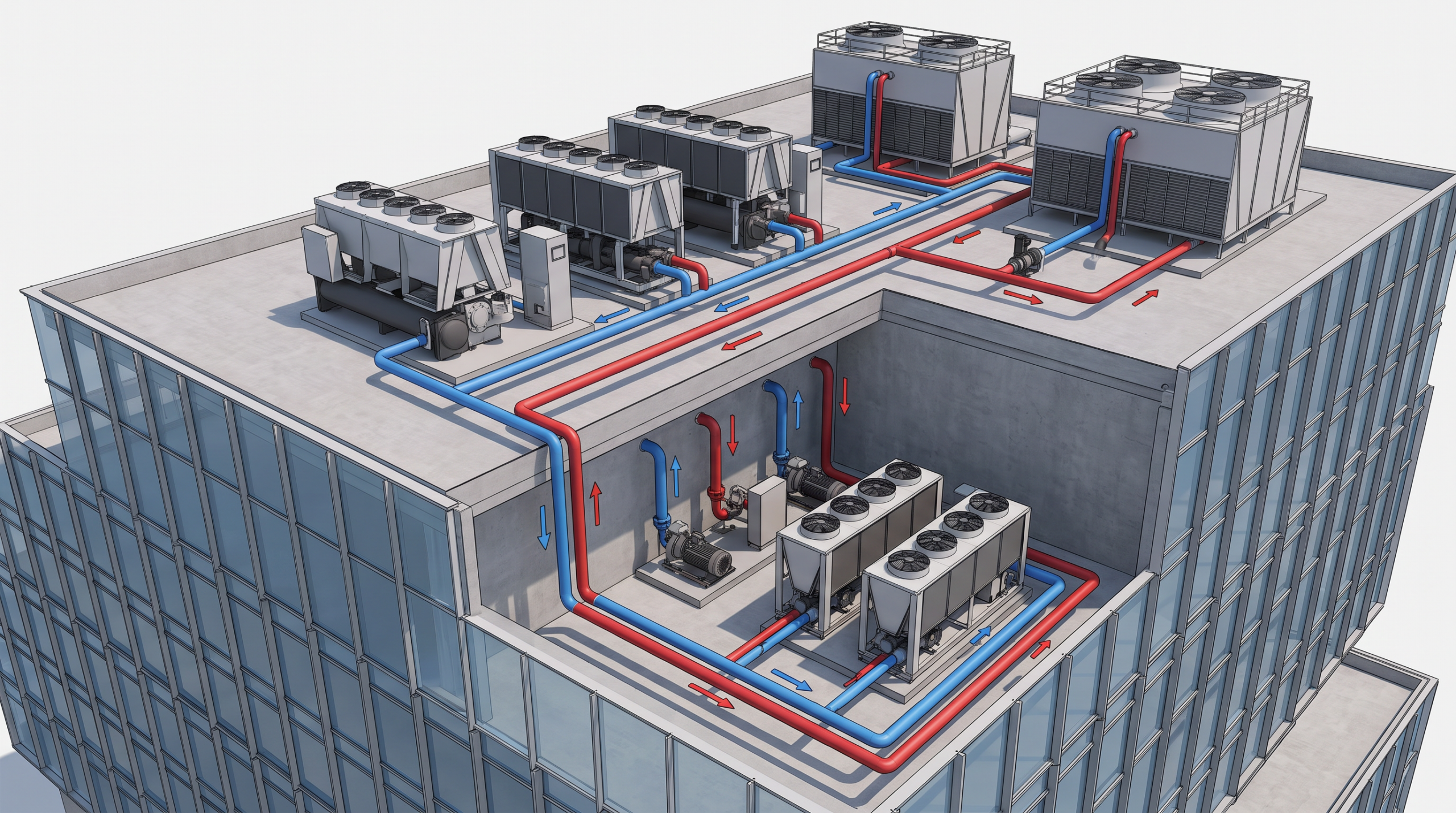
At the heart of any commercial cooling system is the chiller plant, a complex arrangement of mechanical equipment designed to remove heat from the building’s interior. The efficiency of this plant is determined by the interaction between the chillers, pumps, and cooling towers. Traditionally, these systems operated at constant speeds or used rudimentary staging logic, which often led to energy waste during part-load conditions. However, the application of variable frequency drives and advanced sequencing algorithms allows the plant to adapt dynamically to the actual cooling needs of the building. This responsive behavior ensures that the chillers operate at their highest possible efficiency points, regardless of the outdoor temperature or indoor occupancy levels.
The optimization process also focuses on the temperature differentials, or delta-T, within the chilled water loop. In many older facilities, low delta-T syndrome is a common problem where the return water temperature is too low, causing the chillers and pumps to work harder than necessary. By implementing pressure-independent control valves and improving the balance of the hydronic network, engineers can increase the delta-T, thereby reducing the flow requirements and the associated pumping energy. This holistic view of the system’s thermodynamics is essential for achieving long term sustainability in large scale commercial developments, as even small improvements in plant efficiency can translate to massive financial savings over time.
Technological components for plant enhancement
Modern cooling plants rely on a suite of advanced technologies to maintain peak performance. The integration of these components requires a high degree of technical expertise to ensure that they work in concert to achieve the building’s efficiency goals. By upgrading the physical infrastructure and the digital control logic, facility managers can create a cooling system that is both resilient and adaptable. Integrating demand-based exhaust systems provides an additional layer of control that complements the primary cooling plant’s response to load variations, ensuring that the entire building envelope is managed efficiently.
Key technologies involved in the optimization process include:
- Variable speed drives on chiller compressors, allowing for precise capacity modulation during part-load hours.
- High-efficiency variable speed pumps that adjust flow rates based on real-time pressure requirements across the building.
- Intelligent cooling tower controllers that manage fan speeds and water flow to optimize heat rejection based on wet-bulb temperatures.
- Advanced sensor networks that provide high-resolution data on water temperatures, pressures, and flow rates.
- Sophisticated plant management software that utilizes machine learning to predict cooling loads and optimize equipment sequencing.
These technological investments are crucial for ensuring that the cooling plant remains efficient as it ages. The ability to monitor and adjust every aspect of the system’s operation allows for a proactive maintenance strategy, identifying potential issues before they lead to a significant loss of performance. Additionally, the use of high-quality components reduces the likelihood of mechanical failures, providing a more reliable cooling source for critical facilities such as data centers or healthcare centers. The combination of hardware upgrades and software intelligence forms the basis of chilled water optimization, setting a new standard for excellence in the construction industry.
Control strategies for dynamic load management
The success of any cooling plant optimization effort depends on the effectiveness of the control logic that governs its operation. Modern building management systems utilize complex algorithms to coordinate the actions of the chillers, pumps, and towers, ensuring that the entire plant operates as a cohesive unit. One of the most common strategies involves the use of chilled water reset, where the supply water temperature is adjusted based on the outdoor air temperature or the actual cooling demand of the terminal units. By increasing the chilled water temperature during periods of low demand, the chillers can operate at higher efficiencies, reducing the overall energy input required to maintain the desired indoor climate.
Another critical strategy is the optimization of the cooling tower operation. By coordinating the tower fan speeds with the chiller’s condenser water requirements, the system can minimize the total energy used by both components. This requires a deep understanding of the relationship between the chiller’s efficiency and the condenser water temperature, as well as the power consumption characteristics of the tower fans. Advanced control platforms can perform these calculations in real time, making thousands of micro-adjustments every hour to keep the plant at its “sweet spot.” This level of automated oversight is essential for managing the variable loads typical of modern commercial environments, where occupancy and weather patterns can change rapidly.
Operational benefits and sustainability impacts
The benefits of implementing chilled water optimization extend far beyond simple energy savings. While the reduction in monthly utility bills is a primary driver for many building owners, the long term impact on operational reliability and sustainability is equally significant. By reducing the stress on mechanical equipment, the optimization process extends the life of the chillers and pumps, delaying the need for expensive capital replacements. This reduction in mechanical wear also leads to lower maintenance costs, as components are less likely to fail prematurely due to excessive cycling or operation outside their design parameters.
From a sustainability perspective, a highly efficient cooling plant is a major contributor to a building’s overall environmental performance. Reduced energy consumption leads directly to lower greenhouse gas emissions, helping commercial facilities meet their carbon reduction goals. This is particularly important for projects pursuing high-level green building certifications, where energy performance is a heavily weighted factor. Additionally, the improved control of the cooling system leads to more consistent indoor temperatures and humidity levels, creating a more productive environment for the building’s occupants. This focus on both efficiency and comfort is a hallmark of modern construction practices, ensuring that commercial buildings are as beneficial for the people inside them as they are for the planet.
Financial considerations for cooling plant upgrades
The decision to invest in chilled water optimization is often driven by a rigorous financial analysis of the potential returns. While the initial cost of equipment upgrades and control software can be significant, the payback period is typically short, often ranging from two to five years depending on the size of the facility and local energy rates. Building owners must consider the total cost of ownership, including energy savings, maintenance reductions, and the extended lifespan of the mechanical equipment. In many cases, the addition of optimization technology allows for the downsizing of future equipment replacements, as the system can deliver the same cooling capacity with smaller, more efficient components. This downsizing not only reduces capital costs but also minimizes the physical footprint of the mechanical plant, freeing up valuable space for other building functions.
In addition to direct energy savings, many utility providers offer incentives and rebates for energy efficiency projects, which can significantly offset the upfront costs of the optimization effort. These programs are designed to reduce the overall demand on the electrical grid, making them a valuable resource for developers and facility managers. By participating in these programs, construction projects can achieve higher levels of efficiency while minimizing their financial risk. The economic justification for chilled water optimization is thus well-established, providing a clear path for building owners to improve their bottom line while contributing to a more sustainable built environment. The integration of these advanced strategies into the construction lifecycle ensures that the facility remains a high-value asset for decades to come, providing a stable and efficient foundation for commercial operations.
Building owners should also factor in the potential for increased lease rates and higher occupancy levels. Tenants in the modern commercial market are increasingly seeking out high performance spaces that offer both low operating costs and high levels of comfort. A facility that can demonstrate a commitment to cooling efficiency and sustainability is more likely to attract and retain high quality tenants. This long term value creation is a critical component of the overall investment thesis for centralized cooling plant upgrades. As the industry moves toward more transparent energy reporting, the financial benefits of optimization will become even more pronounced, rewarding those who take a proactive approach to mechanical system design and management. This comprehensive financial perspective ensures that the project is viable not just from an engineering standpoint, but also from a commercial and strategic viewpoint, securing the building’s future in a competitive market.