
























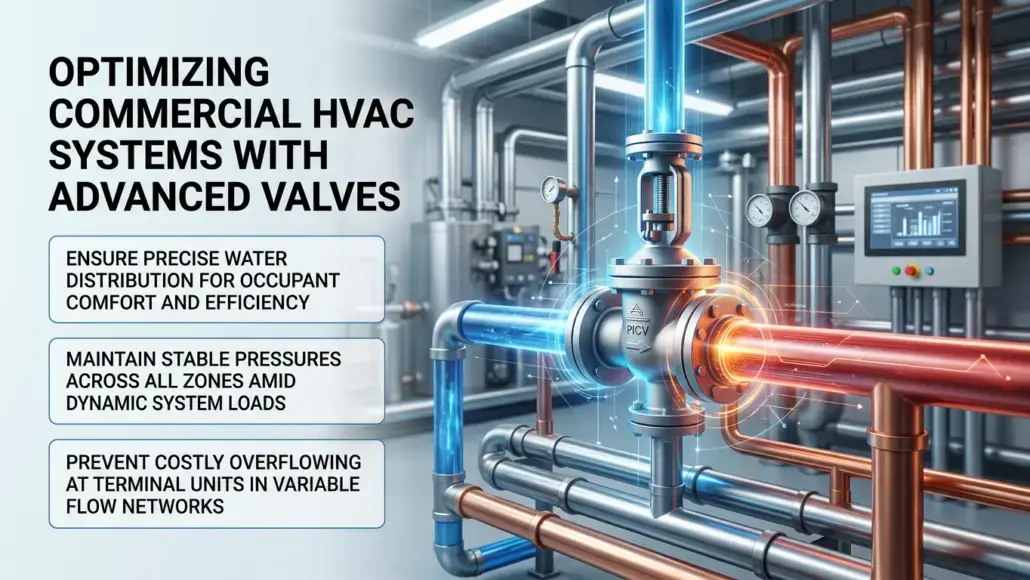


The precise distribution of chilled and heated water within commercial facilities is a fundamental requirement for achieving both occupant comfort and operational efficiency. In large-scale developments, the hydronic network must be capable of adapting to a wide range of loads while maintaining stable pressures across all zones. Traditional balancing and control methods often struggle with the dynamic nature of variable flow systems, leading to inefficiencies such as overflowing terminal units and low temperature differentials. The emergence of these specialized control devices has revolutionized this aspect of mechanical engineering, providing a single device that combines the functions of a balancing valve and a control valve. By decoupling the flow rate from changes in system pressure, these advanced components ensure that every heating and cooling coil receives the exact amount of energy required, regardless of the activity in the rest of the building.
Mechanical design and operational logic
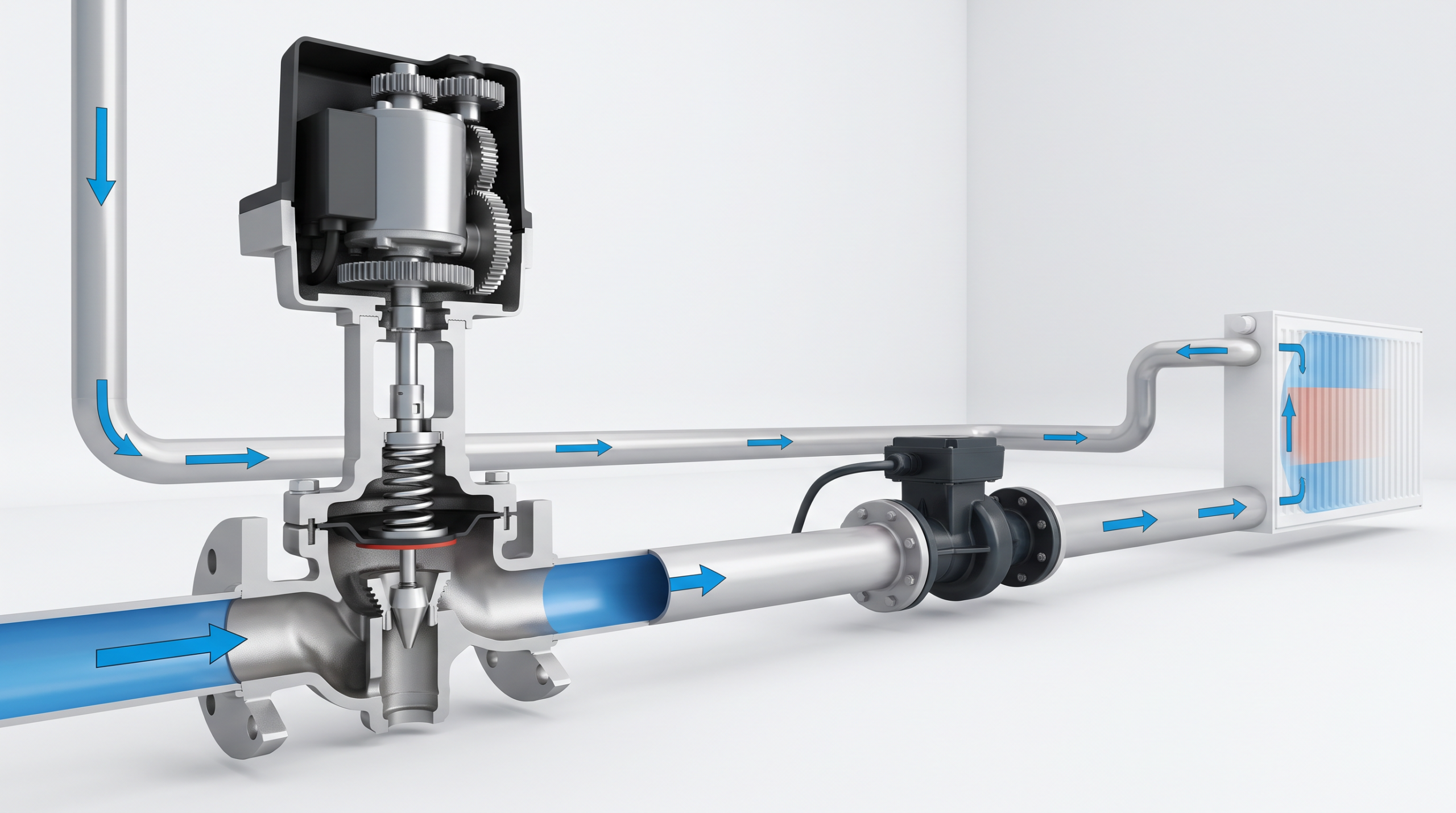
The superior performance of this technology is rooted in its unique internal architecture, which typically includes a pressure regulator and a modulation actuator within a single body. Unlike traditional control valves that vary the flow based solely on the valve’s position, these pressure-compensated units utilize an internal diaphragm or piston to compensate for fluctuations in the incoming water pressure. This mechanical oversight ensures that the flow rate remains constant for any given actuator setting, even if other valves in the system open or close. This capability is critical for preventing “hunting” in the control system, where the building management system constantly adjusts valve positions in response to pressure surges, leading to excessive wear on the actuators and unstable room temperatures.
Implementing these valves also simplifies the design and commissioning of the hydronic network. In a traditional system, engineers must perform complex calculations to size balancing valves and ensure that the pumps can overcome the worst-case pressure drop. With pressure-independent technology, the need for separate balancing valves is eliminated, as the valves themselves handle the dynamic balancing of the system. This reduction in component count not only lowers the initial capital cost of the mechanical installation but also speeds up the construction timeline. By providing a predictable and stable flow response, these valves allow for a more streamlined approach to system verification, ensuring that the building is ready for occupancy with minimal post-construction troubleshooting.
Impact on system efficiency and delta-T management
One of the most significant benefits of utilizing pressure-independent valves is the improvement of the temperature differential, or delta-T, within the chilled water loop. In many commercial facilities, the cooling plant suffers from low delta-T syndrome, where the water returning to the chillers is too cold. This often occurs because terminal units are receiving more water than they can effectively utilize, causing the excess energy to be bypassed back to the plant. By maintaining the correct flow rate at every coil, these valves ensure that the water has sufficient time to absorb heat from the air stream, maximizing the delta-T and improving the overall efficiency of the chillers and pumps.
These components are particularly effective when integrated with thermal energy storage solutions, as they maintain consistent flow rates even as the storage medium’s temperature and pressure fluctuate during discharge. This stability is vital for ensuring that the building can utilize its stored energy effectively without causing disruptions in the hydronic balance.
Additional benefits of improved flow regulation include:
- Reduction in pumping energy by eliminating the need to overcome the excessive pressure drops associated with oversized or poorly balanced systems.
- Improved heat transfer efficiency at the cooling and heating coils, leading to faster response times and better humidity control.
- Extended lifespan for the primary chillers, as they can operate at more consistent and efficient load points.
- Enhanced ability to implement variable speed pumping strategies that adjust flow based on the actual thermal demand of the building.
- Simplified maintenance by reducing the number of manual balancing valves that require periodic adjustment.
These factors demonstrate that the use of advanced flow control technology is a vital consideration for any high-performance construction project. By prioritizing the stability of the hydronic network, engineers can create a more resilient and efficient cooling infrastructure that is capable of meeting the demands of modern commercial environments. This focus on precision regulation is essential for achieving the long term sustainability goals of the industry, providing a stable foundation for the next generation of commercial buildings. Additionally, the improved control of flow rates facilitates a more granular approach to energy auditing and reporting, allowing facility managers to identify and address inefficiencies at the terminal unit level. This level of oversight is crucial for buildings pursuing net zero energy status or other high level environmental targets. By ensuring that every drop of water is used effectively, construction projects can significantly reduce their overall environmental footprint while providing a superior level of comfort for occupants. This commitment to technical excellence is a hallmark of modern engineering practice, ensuring that the facility remains a valuable and efficient asset for the life of the structure.
Integration with variable flow pumping strategies
The shift toward variable flow hydronic systems has been driven by the desire to reduce the electrical consumption of the secondary pumps, which often account for a significant portion of the total HVAC energy usage. Pressure-independent valves are the ideal partner for these systems, as they ensure that the pumps only need to deliver the minimum pressure required to satisfy the most demanding zone. In a traditional constant-flow system, pumps run at full speed regardless of the load, leading to massive energy waste during part-load hours. By utilizing variable frequency drives and responsive valves, building operators can achieve pumping energy savings of up to 50% or more.
The integration process involves a constant dialogue between the valves and the pump controllers via the building management system. As the terminal unit valves close in response to satisfied thermal loads, the system pressure naturally increases. The pump controller detects this change and reduces the pump speed to maintain a constant differential pressure at the most remote part of the loop. Because the pressure-independent valves are unaffected by the resulting pressure fluctuations, they can maintain the correct flow to the remaining active zones without any loss of performance. This synergy between the pumps and the valves creates a highly responsive and efficient distribution network that can adapt to the minute-by-minute changes in building occupancy and weather conditions.
Long term maintenance and reliability considerations
Maintaining a high level of performance in a hydronic system requires a commitment to proactive maintenance and the use of high-quality components. Because pressure-independent valves involve moving parts and electronic actuators, they must be inspected regularly to ensure that they are functioning correctly. Most modern actuators are equipped with diagnostic capabilities that can alert facility managers to issues such as a jammed valve or a loss of calibration. This early detection is critical for preventing the degradation of the system’s efficiency and avoiding the onset of low delta-T syndrome.
The durability of the internal pressure regulator is also a key factor in the long-term reliability of the system. High-quality valves are designed to operate for thousands of cycles without a loss of accuracy, even in systems with varying water quality. However, it is essential that the hydronic water is properly treated and filtered to prevent the buildup of scale or debris that could interfere with the mechanical operation of the valves. By maintaining a clean and well-balanced system, building operators can ensure that their investment in advanced flow control technology continues to pay dividends for the life of the facility. This focus on operational integrity is a hallmark of modern facility management, ensuring that every component of the HVAC system is performing at its best.
Financial justification and investment returns
The financial argument for incorporating pressure-independent valves into commercial construction projects is supported by the significant energy savings and reduced commissioning costs they provide. While the initial price of these valves is higher than that of traditional alternatives, the reduction in labor costs during the balancing and verification phase often offsets a large portion of the difference. When combined with the ongoing savings in pumping and chiller energy, the payback period for the investment is typically very short, often less than two years in large-scale facilities.
Building owners must also consider the value of improved occupant comfort and the reduction in maintenance calls. By eliminating the hot and cold spots associated with poorly balanced systems, these valves contribute to a more productive and satisfied tenant base. In a competitive real estate market, the ability to provide a stable and efficient indoor environment is a major advantage that can lead to higher lease rates and lower vacancy levels. The strategic use of pressure-independent technology is thus a wise investment for any developer or facility manager seeking to maximize the performance and value of their commercial assets. As the industry continues to move toward more stringent energy codes and sustainability standards, the role of advanced flow control will only become more important, securing the building’s place as a high-value asset for decades to come.