

























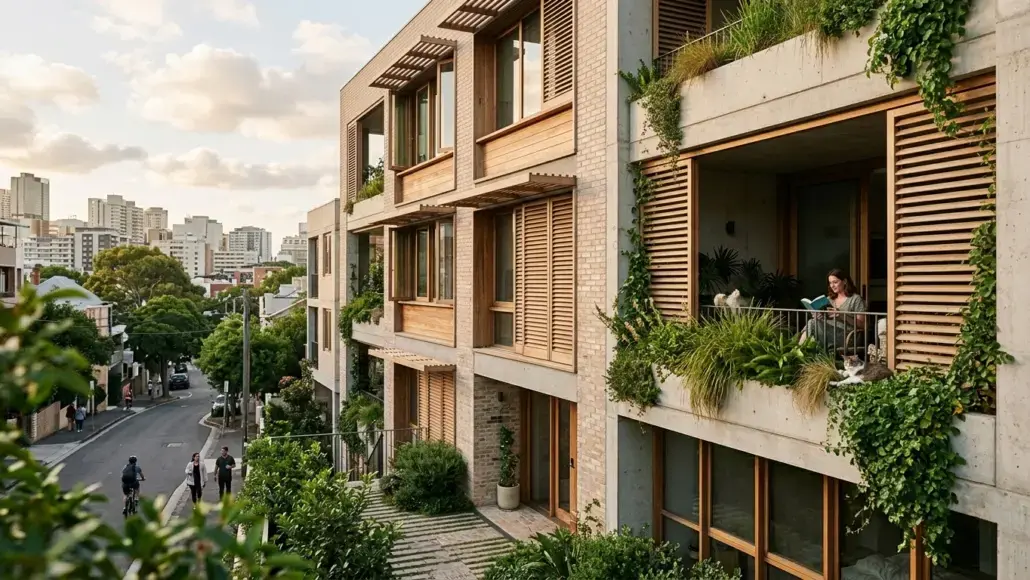


The relentless growth of urban centers, combined with the escalating frequency of heatwaves, has created a critical challenge for modern architecture. Traditional reliance on mechanical air conditioning is no longer a sustainable path, as it contributes to a vicious cycle of energy consumption and urban heat island effects. In response, the industry is seeing a significant resurgence in the application of passive cooling techniques. These strategies focus on utilizing the building’s form, orientation, and materials to maintain comfortable indoor temperatures without the need for energy-intensive machinery. By harmonizing architectural design with local environmental logic, we can create buildings that are not only more resilient to a changing climate but also significantly less expensive to operate and more comfortable for their occupants.
The Foundation of Orientation and Solar Geometry
The most fundamental element of passive cooling techniques is the strategic orientation of the building. By understanding the path of the sun throughout the seasons, architects can design the building’s “envelope” to minimize solar heat gain during the summer while allowing for beneficial light and heat during the winter. In tropical climates, this often involves orienting the building to minimize exposure to the intense morning and afternoon sun on the east and west facades. Strategic placement of windows, combined with the use of shading devices like brise-soleil, awnings, and deep overhangs, ensures that direct sunlight is blocked before it can enter the living space. This “pre-emptive” cooling is the first and most effective defense against indoor overheating in dense urban environments.
Leveraging Thermal Mass and Diurnal Cycles
Another cornerstone of passive cooling techniques is the effective use of thermal mass. Materials with high thermal mass, such as concrete, brick, and stone, have the ability to absorb heat during the day and release it slowly at night. In climates with a significant temperature swing between day and night, this “thermal flywheel” effect can keep the interior of a building comfortably cool during the peak hours of the sun. The building effectively “soaks up” the excess heat, preventing the air temperature from rising rapidly. At night, when the outside air is cooler, the heat is released back into the environment through ventilation. This strategy is particularly effective in arid regions where the night air provides a natural “reset” for the building’s thermal state.
Natural Ventilation and the Stack Effect
For passive cooling to be effective, it must be paired with robust natural ventilation strategies. Passive cooling techniques often utilize the principle of “buoyancy-driven” ventilation, also known as the stack effect. As air inside a building warms up, it becomes less dense and rises. By placing openings at the top of a building such as clerestory windows or solar chimneys this warm air can be exhausted, creating a pressure differential that draws in cooler air from lower openings. In urban settings where horizontal breezes may be blocked by neighboring structures, this vertical ventilation is essential for maintaining airflow. When combined with “night purging,” where windows are opened at night to cool the building’s thermal mass, the stack effect can drastically reduce the need for mechanical cooling.
Phase Change Materials: The New Frontier of Mass
While traditional materials like concrete provide excellent thermal mass, they are heavy and carbon-intensive. A modern evolution of passive cooling techniques involves the integration of Phase Change Materials (PCMs) into the building’s structure. These materials, often embedded in wall panels or ceilings, absorb and release heat as they transition from solid to liquid and back again. Because they can store a massive amount of “latent heat” at a constant temperature, PCMs provide the thermal stability of a thick stone wall in a much lighter and more flexible form. This is particularly valuable for retrofitting existing urban buildings where the structural capacity for heavy traditional thermal mass may be limited. PCMs represent a bridge between vernacular wisdom and modern material science.
The Role of Evaporative Cooling and Water Features
In many urban environments, the integration of water can be a powerful component of passive cooling techniques. Evaporative cooling occurs when water absorbs heat from the air as it transitions into vapor. Historically, this was achieved through the use of fountains, pools, and “wind catchers” that directed air over wet surfaces before it entered the building. In contemporary urban architecture, this logic is being updated through the use of “misting” systems integrated into public plazas and semi-outdoor building transition spaces. Even the presence of urban vegetation through green walls and roofs provides significant cooling through evapotranspiration. By creating “micro-climates” around and within the building, architects can lower the effective temperature by several degrees through purely natural processes.
High-Albedo Surfaces and the “Cool Roof” Movement
One of the most effective passive cooling techniques at the urban scale is the use of high-albedo materials. “Albedo” is a measure of a surface’s reflectivity, and traditional dark urban surfaces like asphalt and dark shingles absorb a massive amount of solar radiation, contributing to the urban heat island effect. By utilizing light-colored or reflective “cool roofs” and pavements, we can reflect that energy back into space. This not only keeps the building itself cooler but also reduces the temperature of the surrounding urban air. This “collective” resilience is essential for cities, as the cooling of one building can help lower the cooling demand for its neighbors, creating a positive feedback loop of urban energy efficiency and comfort.
Window Technology and Selective Glazing
Windows are often the weakest link in a building’s thermal envelope, allowing for significant heat gain through radiation and conduction. Modern passive cooling techniques rely on high-performance glazing to mitigate this. Low-E (low-emissivity) coatings can be tuned to reflect specific wavelengths of the solar spectrum, allowing visible light to enter while blocking the infrared radiation that carries heat. Furthermore, the use of “electrochromic” or “thermochromic” glass allows the window’s transparency to change in response to light or temperature, providing dynamic shading that adapts to the environment. By treating the window as a “filter” rather than a simple opening, architects can maximize daylight while maintaining strict control over the building’s thermal balance.
Social Equity and the “Right to Cool”
The reliance on mechanical air conditioning has created a significant “cooling gap” in many cities, where those who cannot afford high energy bills are left to suffer in dangerously hot indoor environments. The implementation of passive cooling techniques is therefore not just an environmental issue but one of social equity. Buildings designed with passive logic provide a “baseline” of comfort that is independent of a tenant’s ability to pay for electricity. This “passive resilience” is vital for public housing, schools, and community centers, ensuring that the most vulnerable urban residents have a safe haven during extreme heat events. Designing for the “right to cool” ensures that urban resilience is a shared public benefit rather than a private luxury.
Overcoming the Cultural Bias for “Total Climate Control”
One of the primary challenges to the adoption of passive cooling techniques is the modern cultural expectation of a static, perfectly controlled indoor climate. We have become accustomed to living in a constant seventy-two-degree environment, regardless of what is happening outside. Passive buildings, by their nature, are dynamic; the indoor temperature may fluctuate slightly throughout the day. Educating occupants to “work with” the building opening windows at the right time or utilizing different spaces at different times of the day is a critical part of the transition. This shift toward “adaptive comfort” encourages a deeper connection between the building’s occupants and the local environment, moving away from the “sealed box” mentality that has defined much of twentieth-century architecture.
Integrating Passive Logic into Urban Planning and Zoning
For passive cooling techniques to be truly effective, they must be supported by the broader urban context. Zoning laws and building codes can either hinder or help this transition. For example, “setback” requirements can be adjusted to ensure that one building does not block the prevailing cooling breezes for its neighbors. Similarly, urban heat maps can be used to identify areas where high-albedo materials and “green corridors” will have the most significant impact. By viewing the city as an interconnected environmental system rather than a collection of isolated lots, planners can create a “passive urbanism” where the very layout of the streets and blocks contributes to the comfort and resilience of every resident.
Future Outlook: The Hybridization of Passive and Active Systems
The future of urban architecture lies in the intelligent hybridization of passive and active systems. While passive cooling techniques should always be the first priority, they can be augmented by highly efficient, low-energy active components when extreme conditions exceed the building’s passive capacity. For instance, a building might utilize natural ventilation for eighty percent of the year, with a “dedicated outdoor air system” (DOAS) providing supplemental cooling and dehumidification during peak humidity. By “downsizing” the active systems to handle only the extremes, we can achieve massive energy savings while maintaining the highest standards of occupant comfort. This “passive-first” hierarchy is the defining characteristic of the most successful and sustainable buildings currently being designed around the world.
Conclusion: Vernacular Wisdom for a Modern World
The resurgence of passive cooling techniques in urban architecture represents a “return to the future.” We are rediscovering the environmental logic that defined human shelter for thousands of years, now enhanced by modern materials and predictive data. By prioritizing orientation, thermal mass, ventilation, and natural cooling processes, we can break our unsustainable addiction to mechanical climate control. This shift is essential for creating cities that are resilient, equitable, and in harmony with the natural world. As we look toward a warmer future, the most “advanced” buildings will be those that understand how to stay cool simply by being in the right place, made of the right things, and open to the natural rhythms of the Earth.