





















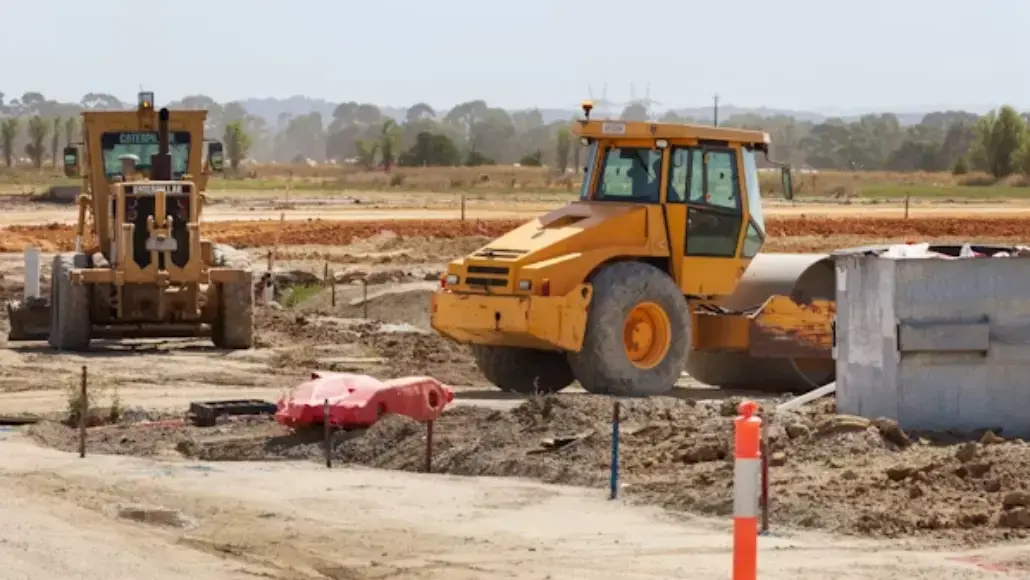


The purchase of such construction equipment as excavators, cranes, loaders, and concrete pumps is able to increase the capacity of a construction firm in just one season. What makes the process more difficult is the fact that the cost of the equipment comes prior to receiving any income from its usage on the following projects. The equipment may be needed today, but the contracts which will generate the required revenue may take months to sign. This means that financing is a necessary part of the construction process.
When choosing heavy equipment financing opportunities, it may be helpful to mention the services offered by Thirty3 Capital, where financing is based on the heavy equipment itself, the business and its income cycle. These services include asset-based financing of the equipment, planning tools for monthly payments and flexible ways to get the required equipment without spending too much money.
Start With the Revenue the Machine Can Create
The first query should move away from the price. A constructor should evaluate how the equipment will impact revenues, workforce, scheduling, and the cost of hiring subcontractors.
A machine can enable an organization to undertake bigger projects, complete tasks faster, decrease renting costs, or wait for external constructors. However, all these benefits should be properly estimated because what seems cheap in a busy period might be costly in winter or after contracts.
A useful forecast should include:
- expected monthly revenue linked to the equipment
- fuel, maintenance, insurance, storage, and operator costs
- likely downtime during the year
- rental or subcontracting expenses that may disappear
- resale value at the end of the ownership period
This prediction provides the financing discussion with an operational footing. It will also assist in determining when the equipment must be purchased, acquired upon awarding the contract, or when payments should occur based on the predicted cash flow.
Match Payments to the Construction Calendar
Many financing plans use equal monthly payments. That structure is easy to understand, though construction revenue rarely arrives in equal amounts. Weather, permitting, retainage, inspection delays, and long payment terms can create uneven cash flow.
A contractor working on road projects may earn most of its revenue between spring and late autumn. A demolition company may depend on several large projects rather than a steady stream of small jobs. A business serving emergency utility work may need equipment ready at all times, even when monthly use changes sharply.
This is why payment planning matters as much as the interest rate. A lower rate can still create pressure when the payment schedule ignores the working season. In some cases, a longer term can protect cash reserves. In others, a larger down payment can reduce monthly obligations and improve flexibility.
However, before deciding on the best structure, the business needs to simulate at least three tough months. These could be, for instance, a slow period, delayed payment from a general contractor or a machine repair that was not expected. The idea is to find out if the business will be able to make payments while not reducing payroll, buying supplies and utilizing very expensive short-term loans.
Use Asset Value as Part of the Financing Strategy
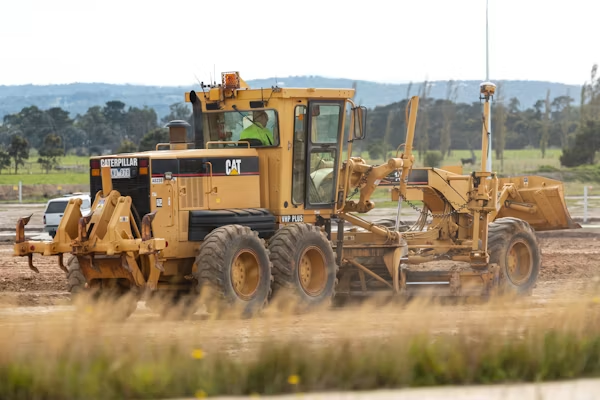
The role of heavy equipment in financing is rather evident since it can be used as collateral. Asset-backed financing may prove to be more effective and may allow well-established contractors to access capital without using unsecured loans only.
The value of equipment depends on several factors, including age, brand, operational hours, maintenance, demand and resale. A well-maintained loader by a popular manufacturer will probably have better value than a highly specialized piece of machinery with fewer buyers.
This means that some procurement decisions may influence the ability to finance at a later stage. Contractors need to store all relevant information about equipment in one place: service logs, inspection reports, invoices and operational data.
The same applies to existing assets. A business that has settled its payments on their equipment will be able to utilize the same to assist in financing their next buy. This is beneficial to the business when it requires mobilization without waiting to receive the payment from receivables.
Financing through an asset-based approach will require having an appropriate risk strategy in place. This will prevent disruption in many projects should there be loss of access to the financed equipment that forms part of the daily operations.
Avoid Financing a Machine With No Clear Job
Equipment purchases often begin with an operational problem. Rental availability may be poor. A subcontractor may be unreliable. A company may be losing bids because it lacks a certain machine.
The danger appears when the purchase becomes driven by availability, dealer pressure, or fear of missing future work. A machine can sit idle while insurance, storage, maintenance, and financing costs continue every month.
Before signing, management should answer a few direct questions:
- Which current or likely projects require this machine?
- How many billable days per month are realistic?
- Who will operate and maintain it?
- What happens if the expected project is delayed?
- Can the machine be rented to trusted partners during idle periods?
Clear answers reduce the chance of buying capacity that the business cannot use. They also help lenders understand the purpose of the investment.
Financing for heavy equipment really becomes a matter of timing. The right equipment could help increase capacity and schedule control while minimizing rental usage. Financing structures that complement such equipment without compromising cash flow requirements are essential to achieving these objectives. Contractors who are able to tie financing to job cycles and use their equipment as an element in an overall financial strategy have a greater chance of success.