
























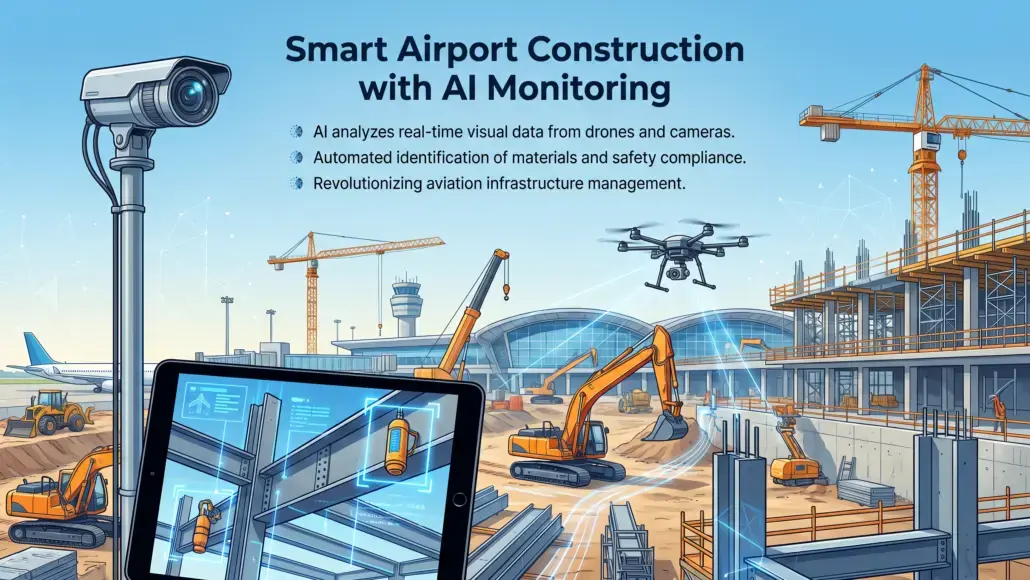


The application of advanced algorithms to real-time visual data is fundamentally changing the way aviation infrastructure is managed. AI-driven site monitoring transforming airport construction projects utilizes high-resolution cameras, drones, and 360-degree photography to capture every detail of the construction environment. These images are processed by machine learning models that can identify specific objects, such as structural steel members, HVAC units, or individual safety equipment. By automatically comparing the physical progress on-site with the digital building model, the system can provide a near-instant assessment of project completion levels. This level of automated oversight eliminates the subjectivity and potential errors associated with manual progress reporting, ensuring that stakeholders have an accurate and objective view of the project status.
Computer vision technology also plays a vital role in quality control by detecting deviations from design specifications. If a structural connection is improperly fastened or if a partition wall is misaligned by even a few centimeters, the AI system can flag these issues for immediate inspection. This early detection capability prevents minor errors from escalating into major structural defects that would be far more difficult and expensive to remediate later. In the context of a busy airport terminal, where schedule pressure is intense, the ability to catch and correct mistakes in real time is a major operational advantage. The system can even be trained to recognize the specific materials and finishes required for high-end airport lounges and retail areas, ensuring that the final build meets the highest aesthetic and functional standards. The integration of these visual tools into the daily management process provides a higher level of confidence for both the contractor and the airport authority.
Predictive Analytics for Proactive Risk Management and Safety
Safety is a critical concern in the aviation construction sector, and the use of predictive models is a major step forward in protecting the workforce. AI-driven site monitoring transforming airport construction projects involves the analysis of historical safety data and real-time site activity to identify patterns that may indicate a high risk of accidents. For example, if the AI detects that workers are frequently entering a hazardous zone or that heavy machinery is operating in close proximity to pedestrian paths, it can alert the site safety officer before an incident occurs. This shift from reactive to proactive safety management significantly reduces the frequency and severity of on-site injuries, leading to a more secure work environment and lower insurance costs for the contractor.
Beyond worker safety, predictive analytics are also used to anticipate and mitigate logistical risks. By monitoring the movement of delivery vehicles and the usage rates of heavy equipment, the AI can predict potential bottlenecks in the construction schedule. If a key piece of equipment is showing signs of mechanical failure, the system can schedule preventative maintenance during off-peak hours to avoid unplanned downtime. This level of foresight is especially valuable for airport projects where access to the site is tightly controlled and any delay can have a cascading effect on the entire construction sequence. By optimizing the allocation of resources and anticipating potential disruptions, AI-driven monitoring ensures that complex terminal projects remain on track and within budget. The ability to model different scenarios based on historical data allows project managers to make more informed decisions about the allocation of labor and equipment.
Automating Progress Tracking and Financial Accountability
The administrative burden of managing a multi-billion dollar airport expansion is immense, and the automation of reporting tasks is a key benefit of digital monitoring. AI-driven site monitoring transforming airport construction projects allows for the automated generation of daily and weekly progress reports, complete with visual evidence and data-driven analysis. This automation frees up project managers to focus on high-level decision-making and stakeholder communication rather than spending hours on manual documentation. The transparency provided by the AI system also enhances financial accountability, as payments to sub-contractors can be linked directly to the verified completion of specific tasks. This data-backed approach to payment processing reduces disputes and builds trust between all parties involved in the project.
The integration of AI data with the project schedule allows for the real-time adjustment of timelines and milestones. If a particular phase of the project is progressing faster than expected, the system can automatically adjust the start dates for subsequent tasks to maximize efficiency. Conversely, if a delay is detected, the AI can simulate various recovery strategies and provide the project team with the most effective path forward. This dynamic approach to project scheduling is a major departure from traditional static plans, allowing for a more resilient and responsive construction process that can handle the unique challenges of the aviation environment. The systematic collection of project data also provides a valuable baseline for the planning of future terminal expansions, ensuring that the lessons learned from one project are applied to the next.
Optimizing Site Logistics and Environmental Compliance
The logistical challenges of building a new terminal while maintaining existing airport operations require a high degree of coordination. AI-driven site monitoring transforming airport construction projects assists in the management of site traffic, material staging, and crane operations. By analyzing the flow of vehicles and personnel, the AI can identify inefficiencies in the site layout and suggest improvements that reduce congestion and improve throughput. The system can also monitor the environmental impact of construction activities, such as dust levels, noise emissions, and water runoff. By ensuring that the project remains in compliance with local environmental regulations, the AI helps to protect the airport’s reputation and avoid costly fines.
The monitoring of material usage is another area where AI provides significant value. By tracking the delivery and installation of high-value components, the system can prevent theft and mismanagement. It can also identify opportunities for material optimization, such as reducing the amount of waste generated during concrete pours or the installation of interior finishes. The data collected by the AI system provides a comprehensive record of the project’s sustainability performance, which is increasingly important for airport authorities seeking to meet ambitious green building targets. The integration of logistics and environmental monitoring into a single AI-powered platform provides a holistic view of the construction project, ensuring that it is delivered in the most efficient and responsible manner possible. The constant oversight provided by the AI also ensures that the job site remains tidy and organized, which is essential for maintaining safety and productivity.
Integrating AI Insights with Digital Twins and Facility Management
The data generated during the construction phase is a valuable asset for the long-term operation of the airport terminal. AI-driven site monitoring transforming airport construction projects ensures that the final as-built documentation is both accurate and comprehensive. This data can be directly integrated into a digital twin of the terminal, providing the facility management team with a highly detailed virtual representation of the physical building. The AI-generated insights into the quality and performance of individual components can be used to inform maintenance strategies and optimize energy consumption over the entire lifecycle of the facility. For instance, the system can track the exact brand and model of every lighting fixture and HVAC component, making it easier to manage spare parts and schedule routine inspections.
This continuity of data from construction through to operations is a major advantage for airport authorities. It allows for a smoother transition during the handover phase and ensures that the maintenance team has the information they need to keep the terminal running at peak performance from day one. In the future, the AI system could even be used to monitor the operational phase of the terminal, providing insights into passenger flows and space utilization that can be used to improve the traveler experience. The capability to use construction data for operational excellence is a key driver for the adoption of AI technology in the aviation sector, as it offers a clear path to long-term cost savings and improved service levels. By maintaining a high-quality digital record of the construction process, the airport authority can protect the value of its investment for decades to come.
The Future of AI in Aviation Infrastructure Development
As AI technology continues to evolve, its impact on the construction of airport terminals will only grow. We can expect to see more advanced computer vision models that can identify even smaller and more complex components, as well as the integration of sensory data from a wider range of sources. The use of autonomous drones for site monitoring will become more commonplace, providing a constant and comprehensive view of the construction project without the need for manual intervention. The development of more sophisticated predictive models will allow project managers to anticipate risks and optimize performance with unprecedented levels of accuracy. The use of natural language processing will also allow site teams to interact with the AI system using simple voice commands, making the technology even more accessible in the field.
The shift toward AI-powered construction is also changing the skills required for the workforce. Project managers and engineers will increasingly need to be proficient in data analysis and the management of digital systems. The collaboration between human expertise and machine intelligence will lead to more innovative and efficient construction methods, ensuring that the aviation industry can continue to meet the growing demands of global travel. The adoption of AI-driven site monitoring is not just a technological upgrade; it is a fundamental transformation in how we design, build, and manage the critical infrastructure that connects our world. The commitment to innovation in this space will ensure that the airport of the future is safer, more efficient, and more resilient than ever before, providing a foundation for sustainable growth in the aviation sector.