



















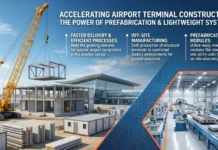




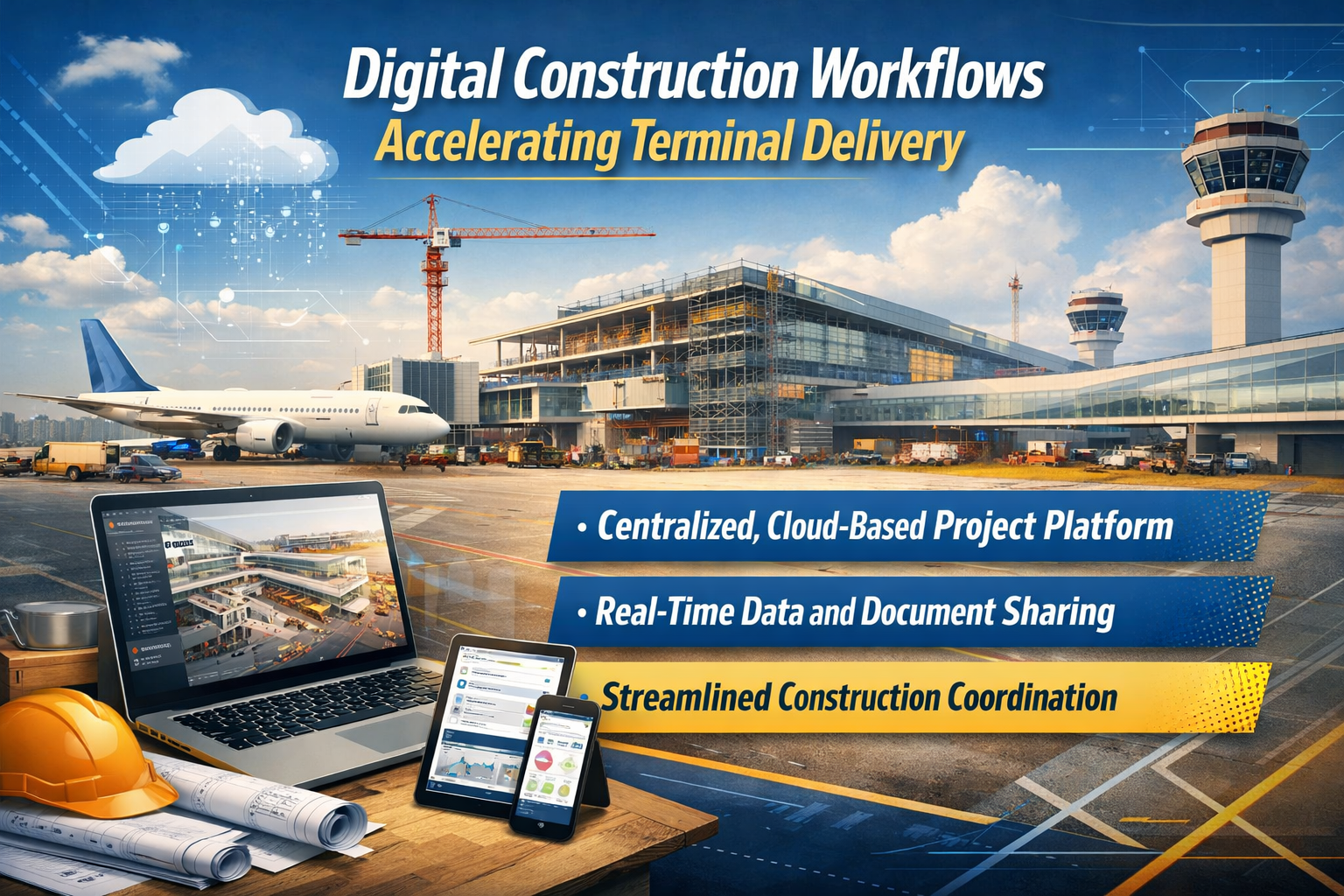


The modernization of aviation infrastructure requires a fundamental shift in how project data is managed and shared across the construction ecosystem. Digital construction workflows accelerating terminal delivery utilize centralized, cloud-based platforms to create a single source of truth for all project participants. By moving away from fragmented communication methods such as emails and disconnected spreadsheets, the project team can ensure that every designer, engineer, and sub-contractor is working from the most current version of the plans. This standardization of information exchange reduces the likelihood of errors and omissions that often lead to costly rework and project delays. In the high-stakes environment of an airport expansion, where multiple phases of work must be tightly coordinated, the ability to access and share data in real time is a critical operational requirement.
These integrated platforms also facilitate more efficient document management and approval processes. Requests for information, submittals, and change orders can be tracked and managed within the digital workflow, providing a clear audit trail of all project decisions. Automated notifications and reminders ensure that tasks are completed on time, preventing the administrative bottlenecks that can stall the progress of a terminal project. The use of digital signatures and automated approval loops further accelerates the procurement and design review phases, allowing the project to move from the office to the field much faster. By streamlining the “paperwork” of construction, digital workflows allow the site team to focus on the physical delivery of the facility, leading to improved productivity and a higher quality of build. The implementation of these digital protocols ensures that the project remains compliant with all regulatory requirements while maintaining a high pace of progress.
Implementing Lean Construction Principles via Digital Tools
The integration of lean construction methodologies with digital technology is a powerful driver for efficiency in the aviation sector. Digital construction workflows accelerating terminal delivery support the implementation of the Last Planner System and other lean techniques by providing the data needed for detailed short-term planning. Site supervisors can use digital dashboards to track the daily progress of each trade and identify potential constraints before they impact the schedule. This granular level of oversight allows for the optimization of labor and equipment, ensuring that resources are allocated where they are needed most. By reducing waste and improving the flow of work, lean digital workflows can significantly shorten the overall duration of a terminal expansion project.
The use of 4D and 5D modeling, which adds time and cost data to the 3D building model, further enhances the planning process. Project managers can virtually “play through” the construction schedule to visualize the sequence of work and identify potential logistical conflicts. For example, the system can simulate the installation of massive structural components to ensure that they do not block the access paths for subsequent trades. This predictive capability allows the team to develop more resilient and realistic project schedules that can accommodate the unique challenges of building on an active airfield. The transparency provided by these multi-dimensional models also improves communication with the airport authority, who can see exactly how the construction will impact airport operations over time. The systematic reduction of non-value-added activities through these digital tools results in a more efficient and cost-effective construction process.
Enhancing Trade Coordination and Field Execution
The success of a complex terminal build depends on the seamless coordination of hundreds of specialized trades, from concrete workers to IT system integrators. Digital construction workflows accelerating terminal delivery provide the tools needed for high-precision field execution. Mobile applications allow site personnel to access the latest design models and technical specifications directly from the job site, ensuring that every component is installed correctly the first time. The use of digital checklists and automated inspection reports also improves quality control, as any issues can be flagged and resolved immediately. This rapid feedback loop between the field and the office reduces the volume of punch-list items at the end of the project, facilitating a smoother and faster handover process.
The data collected from the field can be used to monitor the performance of individual sub-contractors and identify areas for improvement. By analyzing data on production rates and safety performance, the project manager can reward high-performing trades and provide targeted support to those who are falling behind. This data-driven approach to trade management fosters a more collaborative and accountable work environment, where everyone is incentivized to work toward the common goal of on-time terminal delivery. The integration of site sensors and wearable technology into the digital workflow also enhances worker safety and productivity, providing an additional layer of oversight and protection in the complex and hazardous environment of a terminal under construction. The use of these digital tools creates a culture of continuous improvement, where every person on-site is empowered to contribute to the project’s success.
Optimizing Procurement and Supply Chain Management
The logistical complexity of an airport terminal project involves the procurement and delivery of thousands of high-value components from around the world. Digital construction workflows accelerating terminal delivery streamline the supply chain by integrating procurement data with the project schedule. Automated tracking systems provide real-time visibility into the status of material orders, from manufacturing through to site delivery. This transparency allows the project team to anticipate and mitigate potential supply chain disruptions, such as shipping delays or factory shutdowns. By ensuring that the right materials arrive at the right time, digital workflows prevent the downtime associated with material shortages and reduce the need for on-site storage space.
The use of digital marketplaces and automated bidding platforms also improves the efficiency of the procurement process. Contractors can quickly source materials and services from a wider pool of suppliers, leading to more competitive pricing and better value for the airport authority. The automation of invoice processing and payment tracking also improves the financial health of the project, ensuring that suppliers and sub-contractors are paid accurately and on time. This financial stability is crucial for maintaining a healthy and motivated supply chain, which is a key factor in the successful delivery of any large-scale infrastructure project. By treating the supply chain as an integrated part of the digital workflow, the project team can achieve a higher level of predictability and cost certainty. The digital management of the supply chain also reduces the administrative costs associated with traditional procurement methods, providing further financial benefits for the project.
Facilitating Seamless Handover and Operational Readiness
The final phase of a terminal project is often the most critical, as the facility must transition from a construction site to an operational airport environment. Digital construction workflows accelerating terminal delivery ensure that all the data needed for this transition is captured and organized throughout the build. The “digital twin” of the terminal, which contains all the technical specifications and maintenance data for the facility’s components, is handed over to the airport operations team in a ready-to-use format. This seamless transfer of information significantly reduces the time and effort required for the facility team to take ownership of the building and begin operations.
The use of digital tools for commissioning and operational readiness testing also accelerates the opening process. Each system, from baggage handling to fire alarms, can be tracked through the commissioning phase, with all test results and certifications stored within the digital workflow. This transparency provides the airport authority and government regulators with the confidence they need to approve the opening of the terminal. By ensuring that the facility is fully functional and compliant from day one, digital workflows protect the airport’s reputation and ensure a positive experience for the first passengers to use the new facility. The commitment to digital excellence throughout the construction lifecycle results in a more resilient and efficient infrastructure asset that can meet the growing demands of the aviation industry. This transition to operations is supported by comprehensive training materials and digital documentation that ensure the facility team is fully prepared to manage the new terminal.
The Future of Digital Excellence in Aviation Infrastructure
The adoption of digital construction workflows is not merely a trend; it is a fundamental transformation in how we design, build, and manage our most important transportation hubs. As the aviation industry continues to grow and evolve, the pressure to deliver terminals faster, safer, and more sustainably will only intensify. We can expect to see further innovations in automation, artificial intelligence, and data analytics that will push the boundaries of what is possible in construction productivity. The integration of 5G connectivity and edge computing will allow for even more sophisticated real-time monitoring and control of the construction process, leading to unprecedented levels of efficiency and quality.
The shift toward digital workflows is also changing the culture of the construction industry, fostering a more collaborative and data-centric approach to project delivery. By breaking down the traditional silos between architects, engineers, and contractors, digital technology is enabling more innovative and integrated engineering solutions. The commitment to digital excellence in the aviation sector will ensure that the terminals of the future are not only delivered more quickly but are also more sustainable, efficient, and better equipped to handle the complexities of modern travel. The ongoing investment in digital skills and technology is a clear signal that the industry is ready to meet the challenges of the 21st century and beyond, providing a foundation for a more connected and efficient global aviation network.