



























The rapid urbanization of modern society, coupled with escalating real estate values, has precipitated a fundamental shift in how we conceptualize and utilize physical living spaces. In major metropolitan areas around the globe, residential footprints are contracting, prompting architects, designers, and homeowners to seek innovative methods to maximize the utility of every square foot. This pressing challenge has positioned customized interior solutions driving space innovation at the very forefront of contemporary residential design. By moving away from rigid, standardized floor plans and embraced tailored, adaptable configurations, the design industry is proving that limited square footage does not necessitate a compromise in comfort, luxury, or functionality. Instead, customization has become the primary mechanism through which living spaces are optimized to meet the multi-faceted demands of modern life.
The core philosophy of this design movement lies in treating interior environments as fluid, responsive systems rather than fixed, static enclosures. Standard mass-produced furniture and cookie-cutter room layouts frequently leave substantial amounts of space underutilized, resulting in awkward corners, dead zones, and cluttered environments. Conversely, bespoke design strategies analyze the unique architectural quirks of a specific property alongside the precise daily routines of its occupants. This analytical approach enables the creation of customized interiors that fit seamlessly into the home’s architecture, transforming previously wasted areas into highly functional zones. From integrated under-stair workspaces to floor-to-ceiling modular partition walls, these custom interventions elevate spatial efficiency, proving that thoughtful design can effectively expand the perceived and practical boundaries of a home.
The Mechanics of Modular Interiors
At the center of space-saving innovation is the deployment of advanced modular interiors. Modularity refers to the design of components that can be easily rearranged, combined, or reconfigured to serve multiple distinct purposes. In a typical modern apartment, a single room may need to transition from a quiet home office during the day to an active family dining space in the evening, and finally into a comfortable guest bedroom at night. High-performance modular furniture systems make these rapid transitions possible with minimal effort. Integrated wall beds that effortlessly fold away to reveal flush-mounted study desks, or modular sofa assemblies that can be detached and rearranged to accommodate different social gatherings, exemplify the dynamic nature of modular design. By allowing a single physical space to perform the work of three separate rooms, modularity dramatically reduces the cost and environmental footprint of residential living.
Achieving this level of physical adaptability requires exceptional engineering and manufacturing precision. Modern designers utilize advanced computer-aided design software to simulate the movement and load distribution of moving parts, ensuring that foldable, slidable, and stackable elements operate smoothly over thousands of cycles. The hardware components such as soft-close gas struts, hidden hinges, and heavy-duty ceiling tracks are specified to commercial-grade standards to withstand the wear and tear of daily transformations. When executed correctly, the structural junctions of modular pieces are completely invisible when closed, maintaining the clean lines and sophisticated aesthetic of premium customized interiors. This integration of rigorous mechanical engineering with refined interior aesthetics represents a significant departure from the clunky, utilitarian folding furniture of the past, establishing modularity as a premium design standard.
Precision Engineering and CNC Manufacturing
The realization of intricate, bespoke interior elements has been greatly accelerated by the widespread adoption of digital fabrication technologies, such as Computer Numerical Control (CNC) milling and 3D printing. These computerized tools allow designers to translate complex digital models directly into physical components with sub-millimeter accuracy. Complex interlocking joints, curved cabinetry panels that follow the irregular contours of historic plaster walls, and custom-milled acoustic panels can be fabricated efficiently and with minimal material waste. This high level of manufacturing precision ensures that every custom-built wardrobe, hidden compartment, or modular shelving unit fits perfectly into its designated architectural niche, eliminating the unsightly gaps and filler panels typical of standardized installations.
The Psychology of Adaptable Environments
Beyond the obvious physical advantages, customized spatial design exerts a powerful, positive influence on occupant psychology. Living in a cluttered, disorganized space is a known contributor to chronic cognitive fatigue and elevated stress levels. By providing dedicated, highly organized storage solutions that conceal daily clutter, customized interior solutions driving space innovation help create calm, orderly domestic sanctuaries. Furthermore, the physical act of transforming a room’s configuration allows occupants to mentally transition between different modes of daily activity. Converting a home office setup into a relaxed dining environment provides a clear, tactile boundary between professional obligations and personal leisure, promoting a healthier work-life balance within the home.
Materiality and Personalization in Modern Spaces
While maximizing spatial efficiency is a vital technical goal, customized interiors are equally focused on expressing the unique identity and aesthetic preferences of their inhabitants. Personalized living spaces are achieved through the highly curated selection of materials, textures, colors, and lighting that reflect the occupant’s lifestyle and cultural values. Rather than relying on generic, mass-market trends, custom design leverages unique materials such as reclaimed hardwoods, textured plaster finishes, hand-forged metals, and local textiles to imbue a home with character and depth. This focus on materiality creates a rich sensory environment that feels distinctly personal, anchored, and authentic, elevating the overall emotional connection between the individual and their physical environment.
Furthermore, customized design allows for the precise integration of personal collections, artwork, and technology. Custom-milled display niches can be built to showcase specific sculptures, complete with integrated, conservation-grade LED lighting that highlights the piece without causing thermal damage. Similarly, home entertainment systems, smart speakers, and automated air purification devices can be seamlessly recessed into architectural woodwork, rendering the technology virtually invisible when not in use. This level of detail-oriented customization ensures that the functional elements of modern life do not compete with the home’s artistic expression, resulting in a cohesive, balanced, and highly refined interior landscape.
Sustainable Sourcing and Low-Emitting Materials
The selection of materials for customized interiors is increasingly guided by rigorous environmental and health standards. Forward-thinking designers prioritize timbers certified by the Forest Stewardship Council, rapidly renewable materials like bamboo and cork, and natural oil or wax finishes that are free of toxic volatile organic compounds (VOCs). Avoiding synthetic adhesives and formaldehyde-laden composite boards ensures that custom cabinetry does not degrade indoor air quality over time. By combining bespoke craftsmanship with ecological responsibility, customized interior solutions driving space innovation demonstrate that luxury and environmental stewardship can coexist, resulting in spaces that are healthy for both the occupants and the planet.
The Collaborative Design and Execution Process
Bringing a complex, customized interior project to fruition demands a highly collaborative, multidisciplinary approach that spans several months. The process begins with an in-depth consulting phase, where the design team conducts detailed behavioral interviews and spatial audits to understand how the clients inhabit their current home. Designers catalog every item requiring storage, analyze daily traffic flows, and document specific light and acoustic preferences. This qualitative data is then paired with high-precision 3D laser scans of the physical property, creating a flawless digital twin of the space. Designers utilize this digital foundation to develop spatial concepts, testing various layout alternatives and structural connections in virtual reality before any physical work begins.
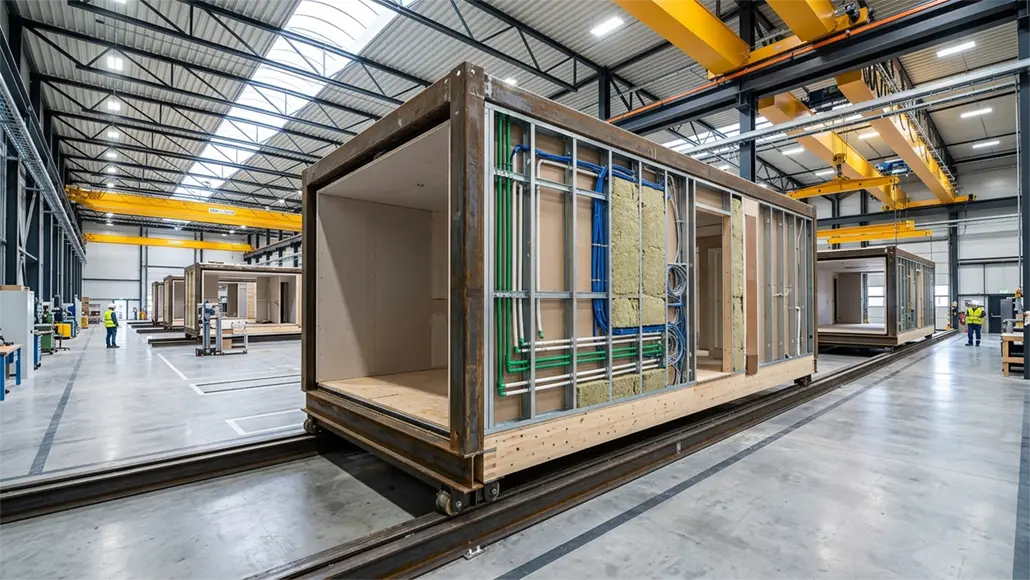
Once the concept is finalized, the project transitions to a tight collaboration between designers, master cabinetmakers, structural engineers, and specialty contractors. Because custom interior elements often interact with existing structural, electrical, and plumbing systems, precise coordination is essential to prevent costly on-site conflicts. Detailed shop drawings are produced for every custom component, specifying material grades, grain directions, hardware tolerances, and finishing techniques. During the final installation phase, skilled installers work with meticulous care to assemble, scribe, and trim the custom fabrications on-site, ensuring that every panel aligns perfectly and every hidden mechanism operates flawlessly. This exhaustive, end-to-end quality control framework is what distinguishes true custom interior architecture from standard retail renovations.
Economic and Structural Benefits of Customization
While the initial financial investment in customized interior solutions driving space innovation is typically higher than purchasing off-the-shelf furniture, the long-term economic benefits are substantial. In high-density urban markets, purchasing a larger home to acquire an extra room is often financially prohibitive. By optimizing an existing, smaller property to perform multiple functions, homeowners can avoid the massive capital expenses, transaction fees, and higher property taxes associated with upgrading to a larger residence. Additionally, custom-built, high-quality millwork and integrated storage systems are widely recognized as permanent capital improvements that significantly boost the overall market value and desirability of a residential property.
From a structural lifecycle perspective, custom interior installations are built to far higher quality standards than mass-produced furniture. Utilizing solid hardwoods, premium multi-layered plywoods, and durable structural metals, custom pieces are engineered to last for generations. Unlike cheap, flat-pack furniture that must be discarded and replaced every few years, custom millwork can be maintained, refinished, and repaired over time, reducing waste and contributing to a circular design economy. This inherent durability, combined with the timeless appeal of bespoke aesthetics, ensures that customized interior spaces remain highly functional, relevant, and beautiful over a multi-decade lifespan.
The Evolution of Interior Architecture
As we look to the future, customized interior solutions driving space innovation will continue to play an essential role in addressing global housing and environmental challenges. The integration of digital fabrication, advanced sustainable materials, and smart home technology is opening up new frontiers for designers to create highly responsive, personalized, and efficient living environments. By viewing physical spaces not as static limitations but as dynamic opportunities for creative problem-solving, the design community is establishing a new standard for modern living one where every home, regardless of its size, is tailored to support, inspire, and elevate the human lives within it.