






























The digital revolution has fundamentally reshaped the construction landscape, turning once-analog job sites into sophisticated ecosystems of interconnected technologies. From Building Information Modeling (BIM) and cloud-based project management to the Internet of Things (IoT) and autonomous machinery, the integration of digital tools has brought unprecedented efficiency and precision. However, this connectivity has also opened a new and dangerous frontier: the threat of cyberattacks. Construction cybersecurity is no longer a niche IT concern but a foundational pillar of modern risk management. As projects become more data-dependent, the potential impact of a security breach ranging from financial loss and project delays to compromised physical safety demands a comprehensive and proactive approach to digital defense.
The construction industry has historically been viewed as a “laggard” in digital adoption, but that perception is rapidly changing. This rapid pace of change, however, often leaves security as an afterthought. Cybercriminals have taken notice, recognizing that construction firms often handle high-value contracts, sensitive intellectual property, and vast amounts of personal and financial data. Unlike a bank or a software company, a construction site is a sprawling, temporary environment with a revolving door of subcontractors, suppliers, and consultants. Each of these entities represents a potential entry point for a malicious actor. Therefore, protecting the connected job site requires more than just firewalls it requires a holistic strategy that encompasses technology, policy, and human behavior.
The Evolution of Threats in the Built Environment
To effectively manage construction cybersecurity, one must first understand the specific nature of the threats facing the industry today. Phishing remains a primary vector, where attackers send deceptive emails to site managers or procurement officers, often mimicking legitimate invoices or project updates. If a single employee clicks a malicious link, the entire project network can be compromised. Beyond simple data theft, the industry is increasingly targeted by ransomware, where critical project files such as BIM models or architectural blueprints are encrypted and held for ransom. In a sector where time is literally money, the pressure to pay these ransoms to resume operations can be immense, yet doing so provides no guarantee of data recovery and often marks the firm as an easy target for future attacks.
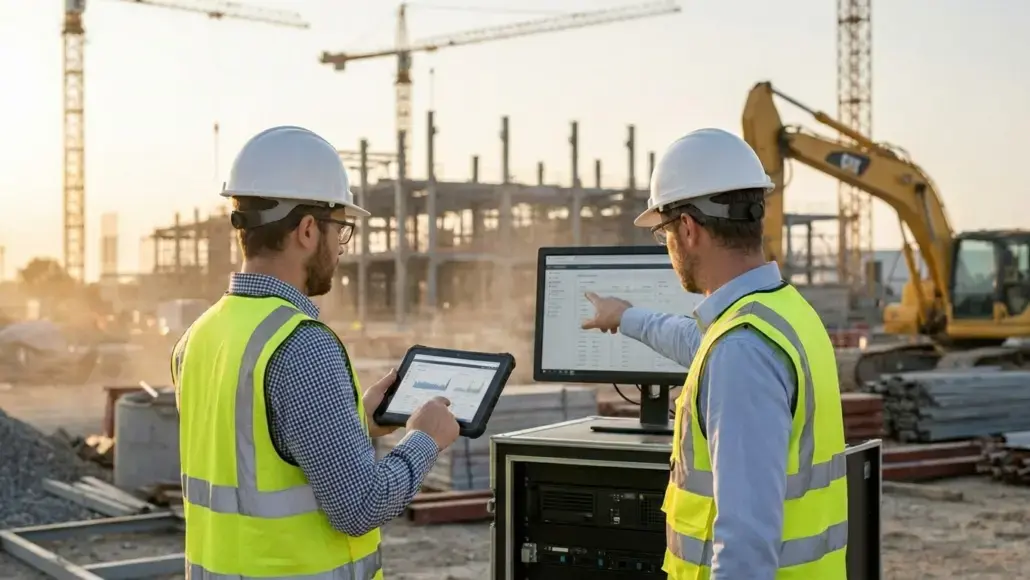
The rise of the “Smart Job Site” has introduced even more complex vulnerabilities. IoT devices, such as connected cranes, sensors, and wearable safety gear, are often designed with functionality in mind rather than security. These devices frequently lack robust encryption or the ability to be easily patched, making them ideal targets for botnets or as jumping-off points into the broader corporate network. An attacker who gains control over a connected piece of heavy machinery could potentially cause catastrophic physical damage or site-wide safety hazards. This intersection of digital security and physical safety is where the stakes of construction cybersecurity are at their highest, necessitating a shift in how we perceive and mitigate operational risks.
Securing the Digital Backbone: BIM and Cloud Platforms
Building Information Modeling (BIM) is the lifeblood of modern construction, containing every detail of a project’s design, materials, and structural integrity. Because BIM models are collaborative, they are shared across multiple organizations, often via cloud-based platforms. This collaborative nature is a double-edged sword. While it enables seamless coordination, it also creates a massive “attack surface.” If the BIM environment is not properly secured, an unauthorized actor could alter design specifications, leading to structural failures that may not be detected until long after construction is complete. Protecting these models requires strict access controls, multi-factor authentication, and end-to-end encryption to ensure that only authorized personnel can view or modify the data.
Cloud construction security is equally critical. As more firms migrate their ERP (Enterprise Resource Planning) systems and project data to the cloud, they become reliant on the security protocols of their service providers. While major cloud providers offer robust security, the responsibility for data protection is a shared model. Construction firms must ensure they are configuring these platforms correctly, managing user permissions effectively, and regularly auditing their cloud environments for vulnerabilities. A single misconfigured “bucket” or an overlooked administrative account can expose terabytes of sensitive project information to the public internet, leading to reputational damage that can take years to repair.
The Human Element: Building a Culture of Resilience
Technological solutions are only as effective as the people who use them. In the high-pressure environment of a construction site, workers are often focused on immediate physical tasks, making them less likely to notice subtle signs of a cyber threat. Therefore, the most critical component of construction cybersecurity is the human element. This begins with comprehensive training and awareness programs tailored to the specific roles within a construction firm. A site supervisor needs to know how to spot a fraudulent delivery notice, while a designer needs to understand the importance of secure file-sharing protocols. Education should not be a one-time event but a continuous process that evolves as new threats emerge.
Building a culture of resilience also means establishing clear protocols for reporting and responding to incidents. Every employee should know exactly who to contact if they suspect a breach, and there should be a no-blame culture that encourages transparency. When workers feel empowered to report mistakes such as accidentally sharing a password or clicking a suspicious link it allows the IT and security teams to intervene before a minor error turns into a major catastrophe. Furthermore, firms should conduct regular “tabletop exercises” where management and site leads simulate a cyberattack to test their response plans. This ensures that when a real threat emerges, the organization can act decisively and calmly to contain the damage.
Integrating Security into the Project Lifecycle
For cybersecurity to be truly effective, it must be integrated into the project lifecycle from day one. This is often referred to as “Security by Design.” During the initial planning phases, security requirements should be included in contracts with subcontractors and vendors. This ensures that every partner involved in the project is held to the same high standard of digital protection. Furthermore, as projects progress through different stages from design and procurement to construction and handover the security posture should be reassessed and adjusted to reflect the changing risk profile.
As we move toward an era of fully autonomous job sites and AI-driven construction, the complexity of these challenges will only grow. The use of digital twins, which create a real-time virtual replica of a physical building, will require even more sophisticated protection to prevent digital espionage or sabotage. By investing in construction cybersecurity today, firms are not just protecting their current projects they are future-proofing their business in a world where digital integrity is the ultimate competitive advantage. The goal is to create a built environment that is not only physically strong but also digitally impenetrable, ensuring the safety and prosperity of all who depend on it.