


























Innovations in technology have been constantly pushing the limits of what is possible in today’s environment. Traditionally, architectural elements such as doors and windows have been considered crucial. Their roles, however, are evolving quickly because of how automation and technology are changing the way we engage with these once-static parts. Smart doors and windows are emblematic of modern innovation, representing a fusion of engineering, art, and functionality. As they gain broader adoption, they are set to revolutionize architectural spaces, fitting harmoniously into intelligent ecosystems while focusing on security, energy efficiency, and customization.
The Smart Revolution: Transforming Doors and Windows into Digital Gatekeepers
Intelligent technology is changing the way doors and windows function, transforming them into digitally enabled watchdogs for our buildings and homes. With sensors, cameras, and networked appliances, these components are no longer just for opening and closing. They are now proactively engaged in helping us remain safe, achieve efficiency, and offer convenience.
Smart doors, for example, use biometric recognition, facial scanning, and RFID (radio-frequency identification) to provide safe and touchless entry. Not only do these technologies improve security, but they also reduce the physical contact required, an aspect that attracted considerable scrutiny during the world health crises of the last few years.
Windows, which were once only associated with fixed transparency, have become dynamic components within interior spaces. With smart glass, the ability to change tint or opacity with a touch of a button, privacy is enabled, and natural light levels are controlled. When windows are linked into more extensive smart home systems, they can work with automatic lighting to provide the appropriate atmosphere and energy efficiency, responding in real time to the demands of the occupants.
Security at the Core: The Emergence of Intelligent Monitoring
One of the most convincing advantages of intelligent doors and windows is their ability to safeguard homes and properties with unprecedented accuracy. The integration of artificial intelligence (AI) with security technology has elevated these devices to the level of active defense. High-definition cameras, motion detectors, and real-time monitoring capabilities allow doors and windows to detect unwanted movement and notify inhabitants promptly.
For example, video doorbells that integrate with doors provide live video and two-way communication, allowing homeowners to interact with visitors remotely. Such systems enhance security while also delivering unparalleled ease, especially for deliveries or guests who require admission in one’s absence.
Similarly, smart windows with breakage sensors and intrusion detection algorithms are raising the bar for property security. These windows may send notifications to cellphones or security hubs, enabling for quick response in an emergency. Furthermore, interaction with automated locking systems prohibits unauthorised entrance, providing an added layer of security for every asset.
Aside from security and convenience, smart doors and windows contribute significantly to energy efficiency and environmental sustainability. As the globe focusses more on reducing carbon footprints, these smart solutions are designed to maximise energy efficiency while maintaining comfort.
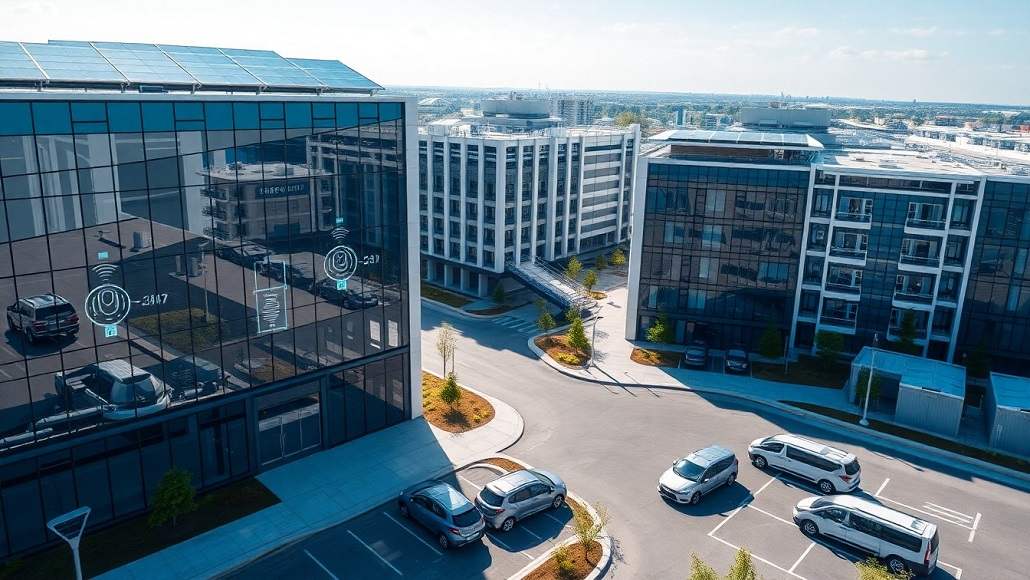
Smart windows typically contain built-in solar shading systems that adapt automatically based on the intensity of sunshine, reducing heat gain and lowering cooling demands during the summer. They can also trap heat in cold weather, minimising the need for artificial heating. Innovative models contain photovoltaic cells, which may convert sunlight into useful electricity, effectively doubling as sustainable energy sources.
Smart doors, in turn, play their part by avoiding energy leaks with automated weather stripping and targeted sealing systems. Several new systems also have energy usage tracking capabilities, giving homeowners an understanding of how doors and windows contribute to home energy consumption. Such aspects reflect an emphasis on developing buildings that are both smart and environmentally friendly.
Personalization: Designing Technology for Individual Needs
The future of smart windows and doors is personalization, as customers increasingly look for designs that suit their exact requirements and tastes. Technologies today are not one-size-fits-all but are oriented toward varied needs, ranging from good looks to performance optimization.
For example, voice-controlled doors and windows work perfectly with AI-powered assistants like as Alexa or Google Assistant, allowing for dynamic setting customisation. Whether it’s adjusting the opacity of the glass for a movie night or configuring windows to open at daybreak, the amount of personalisation ensures better experiences.
This tailoring also applies to aesthetic concerns. Dynamic LED lighting integrated into intelligent doors, for example, enables the homeowner to alter colors or patterns to suit their mood or interior styles. The capability to combine functionality with creativity moves smart doors and windows from the realm of utility.
Challenges in Widespread Adoption
Although the advantages of smart windows and doors are clear, multiple challenges must be solved before they can be broadly utilised. One of the primary impediments is the high initial cost of these technologies. The advanced materials, sensors, and integration modules used in their fabrication make them more expensive than standard solutions, limiting their availability to many consumers.
Second is cybersecurity. As they are connected devices, smart windows and doors can be hacked and accessed without authorization. Mitigating these issues will involve strong encryption methods and frequent software updates to guarantee that vulnerabilities are kept at a minimum.
Finally, some geographic areas will struggle to integrate the smart systems because of uneven internet access or the lack of infrastructure required. Filling these gaps will be essential to facilitating smart technology’s worldwide accessibility.
Future Prospects: Adopting a Smarter Future
The path of smart doors and windows is one of limitless possibilities. Advances in AI, IoT, and sustainability are likely to further advance their potential, so much so that they become integral parts of architectural designs to come.
More renewable energy system integration, allowing doors and windows to operate as proactive energy generators, should be possible by 2032. Making self-repairing materials will also increase their popularity because of how long they last and how little they cost.
Integrating seamlessly with city-wide networks, smart doors and windows will automate operations like energy distribution and security management as part of intelligent ecosystems in rapidly evolving urban environments. They will serve as essential features of future smart cities in addition to defining specific buildings and homes.
Conclusion
Doors and windows are seeing remarkable growth as a result of technology and automation. They are no longer restricted to their conventional responsibilities; they are now essential components of smart living and working environments. Intelligent doors and windows are ushering in a new era of architectural innovation by enhancing security, increasing energy efficiency, and providing unparalleled ease.
As the globe evolves, its evolution will undoubtedly be marked by enhanced sophistication, sustainability, and customization. Along the way, they will continue to alter traditional architectural design concepts, revealing previously inconceivable possibilities while ensuring that technology and humanity collaborate to create a brighter, more linked future.