


























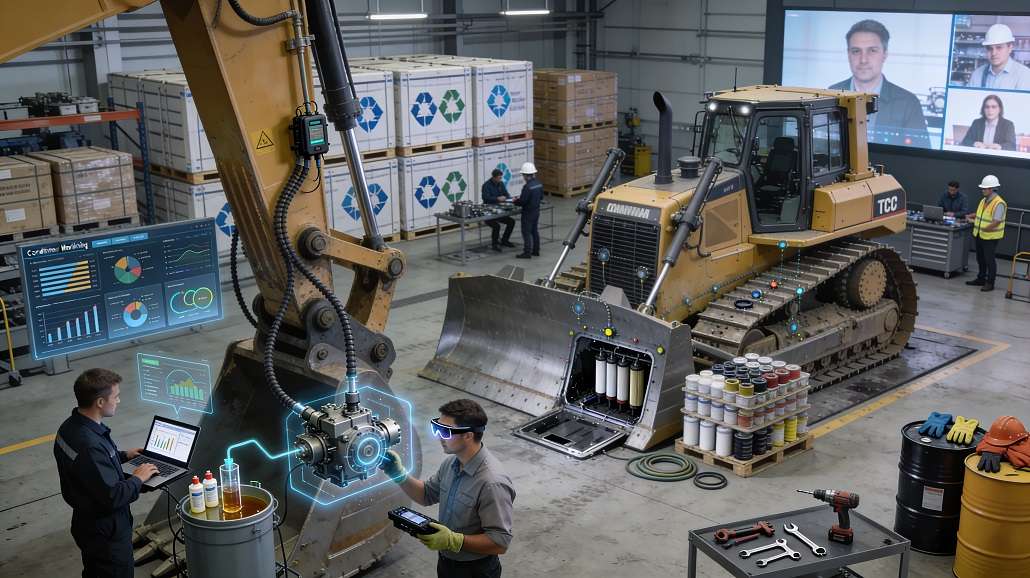

In the high-stakes world of heavy industry and civil engineering, the availability and performance of mechanical assets are the primary determinants of project success. Construction machinery maintenance is no longer just a support function; it is a critical strategic pillar that ensures the economic viability of large-scale operations. When a multi-million-dollar excavator or a specialized tunnel boring machine sits idle due to a mechanical failure, the financial consequences ripple through the entire supply chain, leading to project delays, labor standing costs, and potential contractual penalties. Therefore, the modern approach to maintenance has evolved from a reactive “fix-it-when-it-breaks” mentality to a sophisticated, proactive discipline rooted in data science and engineering excellence. By focusing on equipment reliability and long-term asset health, companies can achieve a level of operational consistency that was once considered impossible.
The pursuit of reliability is a continuous battle against the laws of thermodynamics and mechanical wear. Construction equipment operates in some of the most punishing environments on Earth, facing extreme temperatures, abrasive dust, and the constant strain of high-load cycles. In this context, construction machinery maintenance is about managing the “useful life” of every component, from the smallest seal to the largest engine block. This requires a deep understanding of failure modes and a commitment to rigorous inspection and service protocols. As the complexity of modern machinery increases, so too does the need for advanced diagnostic tools and a highly skilled workforce capable of interpreting the digital “health signatures” of their fleet.
The Foundation of Equipment Reliability
At its core, equipment reliability is the probability that a machine will perform its required function under specified conditions for a certain period. Achieving high reliability in construction requires a holistic approach that begins with the selection of the right equipment for the task and continues through every hour of its operational life. A robust reliability program focuses on “root cause analysis,” ensuring that when a failure does occur, it is investigated thoroughly to prevent its recurrence. This might involve redesigning a component, changing a lubricant specification, or modifying an operator’s behavior. In the world of construction machinery maintenance, a “lessons learned” culture is the most valuable asset a maintenance team can possess.
The physical foundation of reliability is a well-structured preventive maintenance (PM) program. This involves scheduled tasks such as oil changes, filter replacements, and structural inspections that are performed based on hours of operation or fuel consumption. While PM is the most basic form of maintenance, it is also the most effective at preventing the “low-hanging fruit” of mechanical failures. A disciplined PM schedule ensures that minor issues are caught before they escalate into major breakdowns, preserving the structural integrity of the machine and maximizing its resale value. However, the most advanced companies are now moving beyond simple schedules toward “condition-based” maintenance, where the timing of a service is dictated by the actual state of the machine.
Condition Monitoring Systems and Real-Time Diagnostics
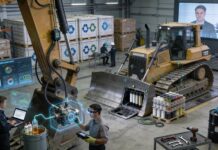
The most significant advancement in construction machinery maintenance over the last decade has been the widespread adoption of condition monitoring systems. These systems use a network of onboard sensors to track a wide variety of “vital signs,” including oil pressure, hydraulic temperature, vibration frequencies, and engine load. This data is transmitted via telematics to a central monitoring station, where it is analyzed by experts and AI algorithms. If a sensor detects a deviation from the normal operating range such as a sudden spike in the iron content of an oil sample an alert is instantly generated, allowing the maintenance team to intervene before a failure occurs.
This “real-time” visibility into the machine’s health is a game-changer for heavy machinery service. It allows technicians to “see” inside a component without having to disassemble it, reducing the risk of intrusive maintenance errors. Furthermore, condition monitoring systems provide the data needed to transition to a “just-in-time” maintenance model. Rather than changing a part because the manual says so, companies can keep it in service for as long as it is healthy, significantly reducing waste and lowering the total cost of ownership. This data-driven approach is the hallmark of modern construction asset management, ensuring that every maintenance dollar is spent where it will have the greatest impact on reliability.
Predictive Maintenance: The Future of Asset Management
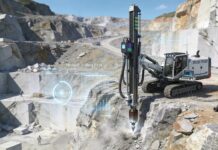
Predictive maintenance is the natural evolution of condition monitoring, using historical data and machine learning to forecast when a failure is likely to occur in the future. By analyzing the patterns of wear across a fleet of thousands of machines, AI algorithms can identify the subtle “precursors” to a breakdown that would be invisible to a human observer. For example, a predictive model might determine that a certain hydraulic pump is likely to fail within the next 200 hours based on a specific combination of vibration and heat signatures. This allows the contractor to schedule the repair during a natural break in the project, ensuring that the machine is back in service exactly when it is needed.
The implementation of predictive maintenance requires a significant investment in data infrastructure and analytical talent, but the return on investment is often measured in the millions of dollars. By eliminating the “surprise” of unplanned downtime, companies can optimize their labor schedules, reduce their spare parts inventory, and maintain a more consistent production rate. Furthermore, predictive maintenance contributes to a safer work environment by reducing the frequency of “emergency” repairs, which are often performed under pressure and in hazardous conditions. In the competitive landscape of modern construction, the ability to predict the future is the ultimate competitive advantage for construction machinery maintenance.
Strategic Heavy Machinery Service and Global Logistics
The reliability of a fleet is not just a function of technical skill; it is also a function of logistical efficiency. In the global construction industry, machines are often deployed in remote locations where the nearest spare part might be thousands of kilometers away. Effective heavy machinery service requires a sophisticated supply chain that can deliver critical components with speed and precision. This involves maintaining strategic stockpiles of high-wear parts, partnering with reliable logistics providers, and utilizing digital platforms to track the movement of inventory in real-time. A “parts-on-the-shelf” strategy is an essential component of uptime optimization, ensuring that a machine is never sitting idle while waiting for a minor component.
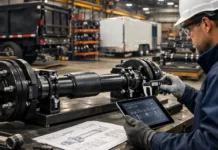
Furthermore, the “serviceability” of the machine itself is a critical factor in its long-term reliability. Manufacturers are now designing construction equipment with a focus on ease of maintenance, featuring centralized grease points, grouped service centers, and ground-level access to filters and fluid checks. This reduces the time and effort required for daily inspections and encourages operators and technicians to perform their maintenance tasks correctly. A machine that is easy to service is a machine that will be well-maintained. This focus on the “human factor” is a key element of modern construction asset management, recognizing that the most advanced technology is only as effective as the people who look after it.
The Role of Lubrication and Fluid Analysis
In the world of heavy machinery, the “blood” of the machine is its lubricants and hydraulic fluids. Proper lubrication is the most important and often most overlooked aspect of construction machinery maintenance. Modern lubricants are sophisticated chemical cocktails designed to reduce friction, dissipate heat, and suspend contaminants under extreme pressure. However, even the best lubricant will degrade over time or become contaminated by water, dust, or fuel. This is where fluid analysis comes in, providing a detailed “health report” on the internal state of the engine, transmission, and hydraulic systems.
By regularly sampling and analyzing these fluids, maintenance teams can detect the early signs of wear, such as the presence of copper (indicating bearing wear) or glycol (indicating a cooling system leak). This “spectrographic” analysis allows for a surgical approach to maintenance, where problems are identified and solved at the molecular level before they cause physical damage. A commitment to high-quality lubrication and rigorous fluid analysis is the hallmark of an elite maintenance organization, ensuring that the heavy machinery service is always one step ahead of the wear-and-tear cycle. In an industry where “uptime is money,” these micro-adjustments provide a massive macro-impact on the bottom line.
Training and Workforce Development in Maintenance
As construction machinery becomes more advanced, the skills required to maintain it are also evolving. Today’s technicians must be as comfortable with a laptop as they are with a wrench, possessing a deep understanding of electronic control systems, digital hydraulics, and telematics. This requires a new approach to workforce development, where continuous learning is integrated into the daily routine. Companies must invest in factory-certified training, simulator-based learning, and digital “knowledge bases” that provide technicians with instant access to service manuals and troubleshooting guides.
Furthermore, the role of the operator in construction machinery maintenance cannot be overstated. The operator is the “first responder” of the maintenance world, often being the first to notice a subtle change in the sound or feel of the machine. By training operators to perform thorough daily inspections and report issues promptly, companies can catch 80% of potential failures before they lead to a breakdown. This collaboration between the operator and the maintenance team is the foundation of a “reliability-centered” culture, where everyone on the site takes ownership of the health of the assets. The future of maintenance is not just about technology; it is about empowering people with the tools and knowledge they need to succeed.
The Long-Term Vision for Asset Management
The ultimate goal of construction machinery maintenance is to maximize the return on investment over the entire lifecycle of the asset. This involves balancing the cost of maintenance with the cost of downtime and the eventual replacement cost of the machine. A sophisticated construction asset management strategy uses “total cost of ownership” (TCO) models to determine the optimal time to retire or repower a piece of equipment. By analyzing the maintenance history and operational data of every machine, companies can make informed decisions that minimize their long-term capital expenditure and ensure that their fleet is always productive.
As we look toward the future, the integration of augmented reality (AR) and 3D printing will further transform the maintenance landscape. AR “smart glasses” can provide technicians with real-time, step-by-step guidance from remote experts, while on-site 3D printers can produce critical spare parts on demand, eliminating the need for expensive logistics. These innovations will allow for a more decentralized and agile maintenance model, where equipment reliability is managed with unprecedented speed and efficiency. The journey toward “zero unplanned downtime” is a long one, but with the right technology and a commitment to excellence, the construction industry is well on its way. Construction machinery maintenance is the engine that drives the world’s most ambitious projects, and its importance will only continue to grow in the decades to come.
