


























Key Takeaways:
- The rise of construction equipment automation is fundamentally changing the role of the operator, shifting the focus from manual control to high-level system management through advanced machine control systems. These technologies allow autonomous construction equipment to perform complex tasks like grading and trenching with millimeter accuracy, reducing material waste and ensuring that project specifications are met on the first pass, which significantly accelerates project timelines.
- Automated machinery and heavy equipment technology are not only improving productivity but are also serving as a cornerstone for enhanced jobsite safety by removing human operators from hazardous environments. By utilizing remote-controlled and semi-autonomous systems, contractors can execute dangerous tasks in unstable terrain or contaminated zones without putting workers at risk, ultimately fostering a more resilient and protective construction industry.
Automation Redefining Heavy Construction Equipment Operations
The heavy construction sector has always been a domain of physical prowess and mechanical might. From the massive excavators that clear our land to the powerful dozers that shape our roads, these machines have been the primary tools of civilization’s expansion for over a century. However, we are currently witnessing a transformation that is as significant as the shift from animal power to the internal combustion engine. The rise of construction equipment automation is redefining what it means to operate heavy machinery, replacing the “feel” of an experienced operator with the surgical precision of autonomous systems and advanced machine control systems.
The Core of the Autonomous Revolution
At its heart, construction equipment automation is about removing the variability of human performance from the most critical aspects of a project. Even the most skilled operator will have a slightly different technique than their peer, and all humans are subject to fatigue, distraction, and the limitations of their senses. Automated machinery, by contrast, operates with perfect consistency. Whether it is the first hour of a shift or the twelfth, an autonomous system will execute a task with the exact same level of precision.
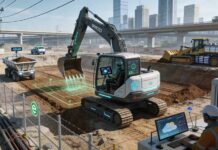
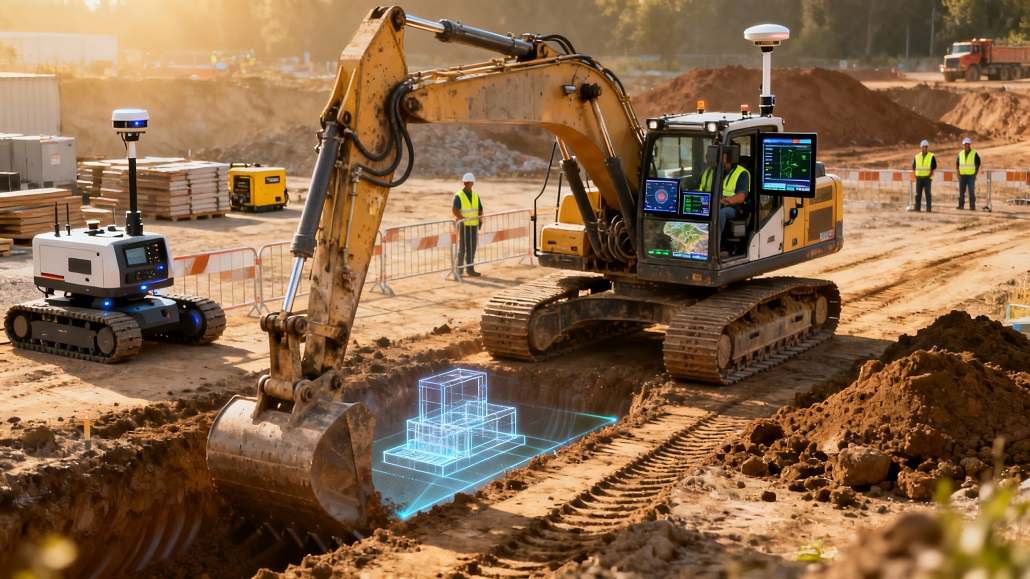
The foundation of this technology lies in machine control systems. These systems use a combination of GNSS satellite data, laser sensors, and digital 3D models to guide the machine’s movements. In a semi-autonomous setup, the system might control only the hydraulic movements of a bucket or blade, while the operator handles the steering and travel. In a fully autonomous setup increasingly common in controlled environments like mining and large-scale earthmoving the machine operates entirely on its own, following a pre-programmed path and reacting to its environment using LiDAR and computer vision.
Precision and the Elimination of Rework
The most immediate benefit of autonomous construction equipment is the drastic improvement in accuracy. In traditional construction, grading a site to within a few centimeters of the design was considered a job well done. With construction equipment automation, that tolerance is reduced to millimeters. This level of precision is not just about quality; it is a fundamental driver of efficiency. When a machine hits the correct grade on the first pass, the need for rework is eliminated.
Rework is one of the single largest hidden costs in construction, accounting for billions of dollars in lost productivity and wasted materials every year. By ensuring that every movement of the automated machinery is perfectly aligned with the digital blueprint, contractors can reduce fuel consumption, minimize the wear and tear on their fleet, and complete projects significantly faster. This precision also has a massive impact on material management. For example, if a roadbed is graded with absolute accuracy, the amount of expensive asphalt or concrete needed for the surface layer can be calculated to within a fraction of a percent, preventing over-ordering and waste.
Enhancing Safety Through Distant Operation
Safety has always been the primary concern on any heavy construction site. The interaction between massive machines and ground workers is inherently dangerous, and the cabin of a heavy machine is a high-vibration, high-noise environment that can take a toll on the operator over time. Heavy equipment technology is addressing these risks by moving toward remote and autonomous operation.
By removing the human from the cab, we are essentially eliminating the risk of operator injury in the event of a rollover or a structural failure. Remote-controlled systems allow an operator to manage a machine from a safe distance, often in a climate-controlled office that could be miles away from the actual jobsite. This is particularly valuable in high-risk environments, such as demolition sites, unstable hillsides, or areas with hazardous materials. In these scenarios, autonomous construction equipment is not just a tool for efficiency; it is a life-saving technology that allows us to build in places that were previously too dangerous for human labor.
Solving the Labor Crisis and Reskilling the Workforce
The global construction industry is currently facing a chronic shortage of skilled operators. As a generation of veteran workers retires, there are simply not enough new recruits to take their place. Construction equipment automation is a key part of the solution to this crisis. By lowering the “skill floor” required to operate a machine, automated machinery allows less experienced workers to achieve professional-grade results with much less training.
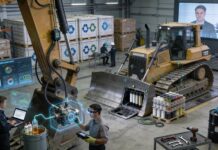
However, this does not mean the role of the human is being eliminated. On the contrary, the industry is seeing a shift toward a more high-tech, professionalized workforce. The operators of tomorrow are becoming “fleet supervisors” and “systems analysts.” They must understand how to manage the digital models, calibrate the machine control systems, and troubleshoot the software that drives the fleet. This transition is making the industry more attractive to a younger, more technologically inclined demographic, ensuring that the sector has the talent it needs to support future infrastructure growth.
The Economic Logic of Heavy Equipment Technology
The investment in autonomous construction equipment and heavy equipment technology is driven by a powerful economic logic. While the hardware and software for automation represent a significant upfront cost, the reduction in operational expenses is profound. Beyond the obvious savings in labor and fuel, automation provides a level of predictability that is invaluable in the high-risk world of construction project management.
Contractors who utilize construction equipment automation can offer their clients a higher degree of certainty regarding the project timeline and final cost. This reliability is a major competitive advantage, particularly for large-scale government and industrial projects where delays can have massive financial and political consequences. Furthermore, the data generated by automated machinery provides a detailed “as-built” record that is of great value to the asset owner for future maintenance and expansion.
The Path Ahead: Fully Autonomous Jobsites
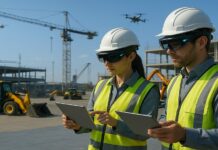
As we look toward the 2030s, the goal is to move from individual autonomous machines to a fully integrated, autonomous jobsite. In this future, a swarm of autonomous construction equipment will work in coordinated cycles, communicating with each other and a central project “brain” to optimize every aspect of the project. This will include autonomous trucks that refuel themselves, dozers that adjust their work based on real-time weather data, and drones that continuously scan the site to monitor progress.
This vision of the future is not as far off as it might seem. Many of the building blocks 5G connectivity, advanced AI, and highly reliable machine control systems are already in place. The transition will be a gradual process of integration and testing, but the direction is clear. Heavy construction is no longer a world of “guesswork and grit”; it is a world of data-driven excellence where automation is the new standard for success.
Conclusion: A New Era of Building
The impact of construction equipment automation on the industry cannot be overstated. By bridging the gap between digital design and physical execution, we are entering a new era of building where the only limits are our own imagination. Automated machinery is allowing us to build faster, safer, and with a level of precision that our predecessors could only dream of. As heavy equipment technology continues to advance, the machines will get smarter, the jobsites will get safer, and the world we build will be more resilient and sustainable. The revolution has begun, and the future of construction is autonomous.
