





























The traditional model of electricity distribution, characterized by massive, centralized power plants and thousands of miles of transmission lines, is facing a crisis of reliability. As aging grids struggle with increasing demand and the intensifying frequency of extreme weather events, the vulnerability of our built environment has become a critical concern. In response, the industry is witnessing a significant shift toward microgrid integration buildings. A microgrid is a localized group of electricity sources and loads that normally operates connected to and in synchronous with the traditional wide-area synchronous grid, but is also able to disconnect and function autonomously as physical or economic conditions dictate. This “islanding” capability ensures that buildings can maintain critical operations even when the main grid fails, providing a foundation for energy security and urban resilience in an increasingly volatile world.
The Technological Underpinnings of Distributed Energy
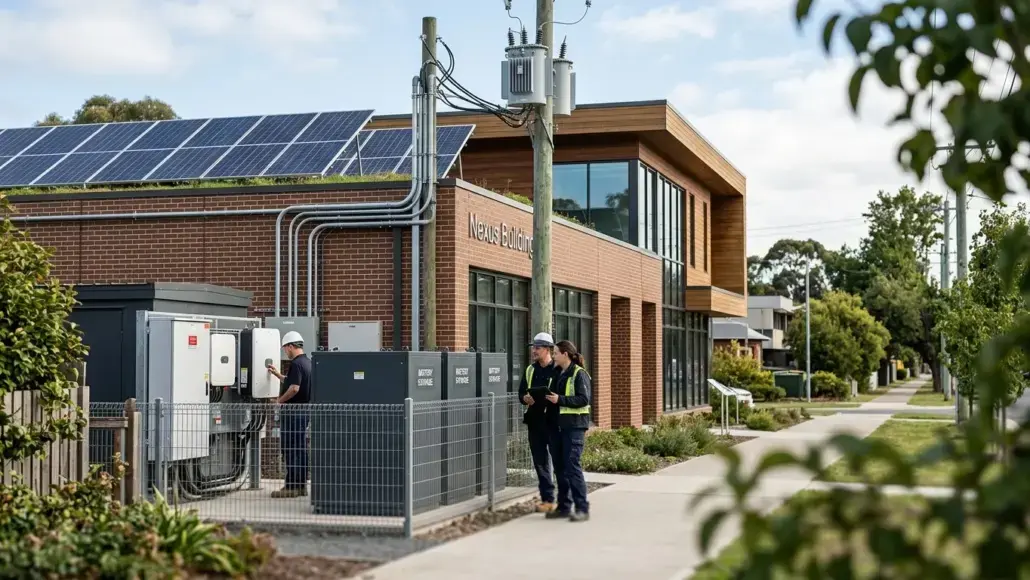
At the heart of microgrid integration buildings is the concept of Distributed Energy Resources (DERs). Unlike a centralized plant, a microgrid utilizes a variety of localized energy sources, such as rooftop solar arrays, small-scale wind turbines, and high-efficiency natural gas generators. This diversity of supply ensures that the building is not reliant on a single point of failure. Furthermore, the integration of advanced battery energy storage systems (BESS) allows the microgrid to capture excess energy generated during the day and release it during peak demand hours or during a grid outage. The “brains” of the system the microgrid controller uses sophisticated AI algorithms to balance these sources and loads in real-time, ensuring that the building’s energy needs are met in the most efficient and cost-effective manner possible.
Islanding and Critical Load Management
The most defining feature of microgrid integration buildings is the ability to “island.” During a major storm, fire, or grid failure, a microgrid can automatically disconnect from the main utility without any interruption to the building’s internal power supply. This is particularly vital for critical infrastructure such as hospitals, data centers, and emergency response facilities. However, islanding is not just about keeping the lights on; it is about strategic load management. The microgrid controller can prioritize “critical loads” such as life-support systems, server rooms, and fire safety equipment while shedding “non-essential” loads like decorative lighting or non-critical HVAC zones. This intelligent prioritization ensures that the available energy is used where it is needed most, extending the building’s autonomous runtime significantly.
Enhancing Sustainability through Carbon-Neutral Microgrids
While resilience is the primary driver for many owners, microgrid integration buildings are also a powerful tool for achieving sustainability goals. By prioritizing renewable energy sources and utilizing advanced storage, microgrids can drastically reduce a building’s carbon footprint. Furthermore, they allow for a much higher “penetration” of renewables than the traditional grid can often handle. Because the microgrid manages the variability of solar and wind locally, it prevents the instability that these sources can sometimes introduce to the main utility. For firms pursuing “net-zero” certifications, a microgrid provides the granular control needed to ensure that every kilowatt of energy used by the building is either generated on-site or sourced from a verified green provider, ensuring a higher standard of environmental accountability.
Financial ROI and the Economic Value of Resilience
The economic case for microgrid integration buildings is becoming increasingly robust. While the initial capital expenditure for the hardware and control systems is significant, the long-term ROI is driven by multiple factors. First is the avoidance of the massive costs associated with power outages; for a data center or a large manufacturing facility, even a few hours of downtime can cost millions of dollars. Second is “peak shaving” using stored energy during the times of day when utility rates are highest, significantly lowering monthly energy bills. Third is the ability to provide “ancillary services” back to the main grid. When the utility is under strain, a microgrid can feed its stored energy back into the system for a fee, turning a building’s energy infrastructure from a pure expense into a revenue-generating asset.
Integration with Smart Building Management Systems (BMS)
The full potential of microgrid integration buildings is realized when the energy system is seamlessly integrated with the broader Building Management System (BMS). This “connected” approach allows the energy supply to respond to the building’s actual needs in real-time. For instance, if the BMS detects that a large conference room is unoccupied, it can automatically reduce the HVAC and lighting in that zone, allowing the microgrid controller to redirect that energy to a different area or to charge the battery. This “holistic” efficiency ensures that the building is not just generating green energy but using it in the most intelligent way possible. The synergy between the “supply-side” microgrid and the “demand-side” BMS is the hallmark of the modern smart building.
Regulatory Challenges and the Path to Utility Partnership
Despite the clear benefits, the widespread adoption of microgrid integration buildings faces a complex regulatory landscape. Historically, utilities have been wary of microgrids, viewing them as a threat to their traditional business model. Issues regarding “interconnection standards” the rules for how a microgrid connects to the main grid can often be a major hurdle. However, this dynamic is changing as utilities realize that microgrids can actually help stabilize the grid. By acting as a “localized buffer,” microgrids can reduce the strain on the main utility during peak hours and provide a source of resilient power during emergencies. The development of “utility-owned” microgrids and the standardization of interconnection rules are clearing the path for a more collaborative and resilient energy future.
Scaling Resilience across Campus and Community Microgrids
The benefits of this technology are even more significant when applied at the “campus” or “community” scale. A microgrid integration buildings project can be expanded to include multiple adjacent structures such as a university campus, a hospital complex, or an industrial park. In this “networked” microgrid, the different buildings can share energy resources and storage capacity, creating a much higher level of collective resilience. For example, the solar energy generated by a large parking garage can be shared with the neighboring medical research facility. This communal approach to energy management reduces the “per-building” cost of the infrastructure and ensures that the most critical needs of the community are always prioritized, providing a new model for urban energy resilience.
Future Outlook: The Rise of AI and “Energy-as-a-Service”
As the technology continues to evolve, the management of microgrids is becoming increasingly autonomous. The next generation of microgrid integration buildings will utilize “machine learning” to predict future energy needs based on weather forecasts, building occupancy patterns, and historical data. This “predictive optimization” ensures that the system is always one step ahead, securing energy reserves before a storm hits or selling energy back to the grid when it is most profitable. Simultaneously, the rise of “Energy-as-a-Service” (EaaS) models is lowering the barrier to entry for building owners. Under an EaaS agreement, a third-party provider designs, builds, and maintains the microgrid, with the owner paying only for the energy they use. This “off-balance-sheet” approach is accelerating the deployment of resilient energy systems across the global built environment.
The Role of V2G (Vehicle-to-Grid) in Building Microgrids
The rapid transition to electric vehicles (EVs) provides an exciting new resource for microgrid integration buildings. Vehicle-to-Grid (V2G) technology allows the batteries of parked EVs to be used as a mobile energy storage resource for the building’s microgrid. During a grid outage, the collective capacity of the fleet of cars in the building’s garage can act as a massive “backup battery,” providing several hours or even days of additional runtime for the building’s systems. This integration turns the building’s parking infrastructure into a vital part of its energy resilience strategy. By viewing the building and the vehicles it houses as a singular energy ecosystem, we can achieve a level of resilience and sustainability that was previously considered science fiction.
Conclusion: Energy Security as a Design Standard
The era of passive, energy-dependent buildings is coming to an end. The implementation of microgrid integration buildings represents a move toward a future of proactive energy security and environmental responsibility. By embracing localized generation, advanced storage, and intelligent control systems, the construction industry is building the foundation for a more resilient and sustainable urban world. A microgrid is more than just a backup generator; it is a fundamental shift in how we value and manage the energy that powers our lives. As the climate continues to change and the demand for energy continues to grow, the buildings that survive and thrive will be those that have the ability to stand on their own, powered by the sun, the wind, and their own digital intelligence.