





























The modern world runs on electricity. We’re so used to having power available at the flip of a switch, that many of us can’t imagine life without it. That creates a problem when we’re operating in remote locations, new properties or areas that are experiencing outages.
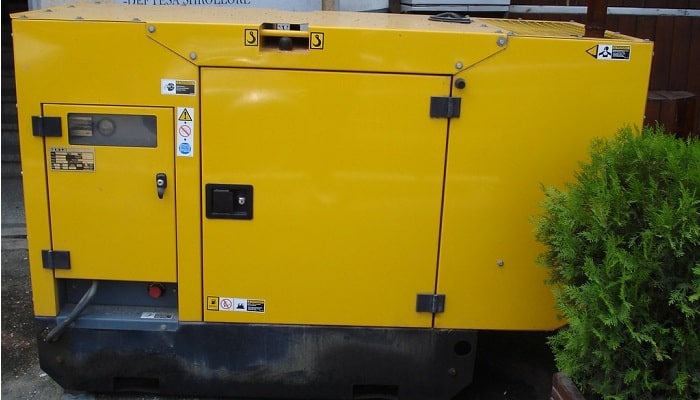
Generators have long been the solution to these problems. Portable generator hire makes it easy to take a reliable source of electricity with you wherever you go. Even better, portable generators are available in a huge range of sizes and configurations, so they’re suitable for any application you had in mind.
From small-scale single phase generators, to large-scale 3 phase generators that are suited to permanent backup installations, a hire generator has you covered.
While generators are fairly simple devices, there are a few things you need to know before hiring a generator in Orange. In this article we’ll go over some of the things you should consider to help you get the most bang for your buck.
Single vs 3 Phase Generator Hire
One of the biggest decisions you’ll need to make is between single phase and 3 phase generators.
Single phase generators provide single phase current up to 240V, the same as your household power supply. These types of generators are compact, affordable and are suited to powering small appliances and tools. You’ll need to hire a single phase generator if you want to supply your home with power, or if you need a portable option for hand tools (e.g. if you work as a builder).
3 phase generators provide three phase current up to 400V. This is significantly more power than a single phase generator, but it’s required for many types of commercial and industrial equipment. The extra power delivered by 3 phase current is often used by commercial electrical motors, so you can’t skip the 3 phase generator if you’re powering large equipment.
The good news is that 3 phase generators can also provide single phase power. That means they’re suitable for every application, especially if you need electricity for a combination of small and commercial appliances.
Temporary Use vs Semi-Permanent Installation
How you intend to use your generator is the next major consideration.
Hire generators are often used for short-term applications, such as power outages, festivals, parties and during the construction of new properties. In this case, it’s often more cost-effective to hire a generator rather than buying one. Your generator hire company should also provide all the installation and accessories you require, making this a seamless solution to your power needs.
The other major use case for generators is semi-permanent and permanent installation. Major institutions such as schools and hospitals often need backup power. Without backup power, people may be in danger, so these types of properties install permanent generator banks.
Permanent backup generators automatically kick on when there’s a loss of power. They’re used to power critical systems and ensure the safety of everyone on site. It’s possible to hire generators for this purpose, and it may be more cost-effective than purchasing an entire bank of generators.
When you hire a generator, the hire company takes care of all maintenance requirements. This can be a significant expense if you operate a large-scale backup system. By hiring a generator, you’re cutting your ongoing running costs, and reducing your risk by not owning the equipment.
Choosing the Right Size Generator
Generators come in hundreds of sizes. From compact units that power hand tools, to large-scale generators that can keep a hospital afloat, the size you choose depends on your needs.
Calculating the size of generator you need is straightforward, but it can be complex if you’re powering a large site with lots of individual appliances. To keep things simple, we need to consider the power that’s consumed by each appliance that’s connected to the generator.
For a small household, that may look something like this:
| Appliance | Operational Power | Starting Power |
| TV | 150W | 200W |
| Fridge | 700W | 800W |
| Air Conditioner | 900W | 1,000W |
| Computer | 50W | 50W |
| Washing Machine | 500W | 600W |
| 2,300W |
Note that we’ve recorded two power figures for each appliance. The operational power is the maximum amount of energy an appliance can consume during usage. The starting power is the amount of energy that’s consumed by an appliance when it’s first turned on.
Starting power is typically higher than operational power in devices that use motors or compressors, because these components require additional energy to get going.
To calculate what size of generator we’ll need, we simply add the total operational power figure to the highest starting power value:
2,300W + 1,000W = 3,300W
This means we’ll need a generator that can provide at least 3,300W of power. Keep in mind that generators are powered by small engines. Just like cars, generators don’t like to run at full RPM all the time. To keep the generator running and prevent it from being damaged, we need to add 20% redundancy to our calculation:
3,300W x 120% = 3,960W
In total we’d need a generator that can provide about 4,000W of power for this household.
Measuring the size of the generator you need gets tricky when you’re powering a large event or property. For instance, creating a backup generator bank for a hospital can’t be done by checking the power draw of every appliance. In these cases it’s best to speak to your generator hire company. They’ll be able to assess your needs and provide a cost-effective solution that still serves all the electricity you require.