



















Key Takeaways :
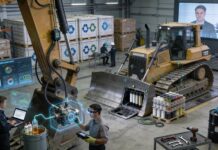
- The integration of construction machinery safety innovation is transforming the traditional jobsite by utilizing advanced equipment safety systems like LiDAR and AI-driven cameras that provide 360-degree visibility. These technologies act as a proactive “sixth sense” for the machine, alerting operators to potential hazards and, in some cases, automatically halting movement to prevent collisions, thereby drastically reducing the frequency of site accidents.
- Beyond hardware, the rise of operator assist technology and jobsite safety solutions focuses on the human element, monitoring for signs of fatigue and distraction while simplifying complex machine functions. By automating repetitive tasks and providing real-time feedback, these innovations ensure that even during long shifts, the focus remains on safe execution, ultimately creating a more resilient and protective environment for everyone involved.
Safety Innovation in Modern Construction Machinery Design
For over a century, the construction industry has been synonymous with risk. The sheer scale and power of the machinery involved, combined with the dynamic and often chaotic nature of a busy jobsite, have made safety a perennial challenge. Historically, safety was often treated as a set of rules and personal protective equipment hard hats, high-visibility vests, and training manuals. However, we have entered an era where safety is being “baked into” the machinery itself. Modern construction machinery safety innovation represents a fundamental shift from protecting the person after an incident to preventing the incident from ever occurring through intelligent design and proactive technology.
The Rise of 360-Degree Awareness and Collision Avoidance
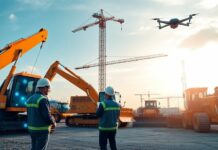
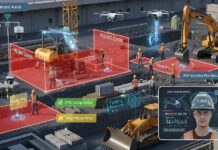
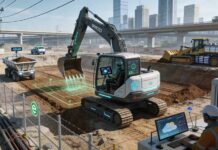
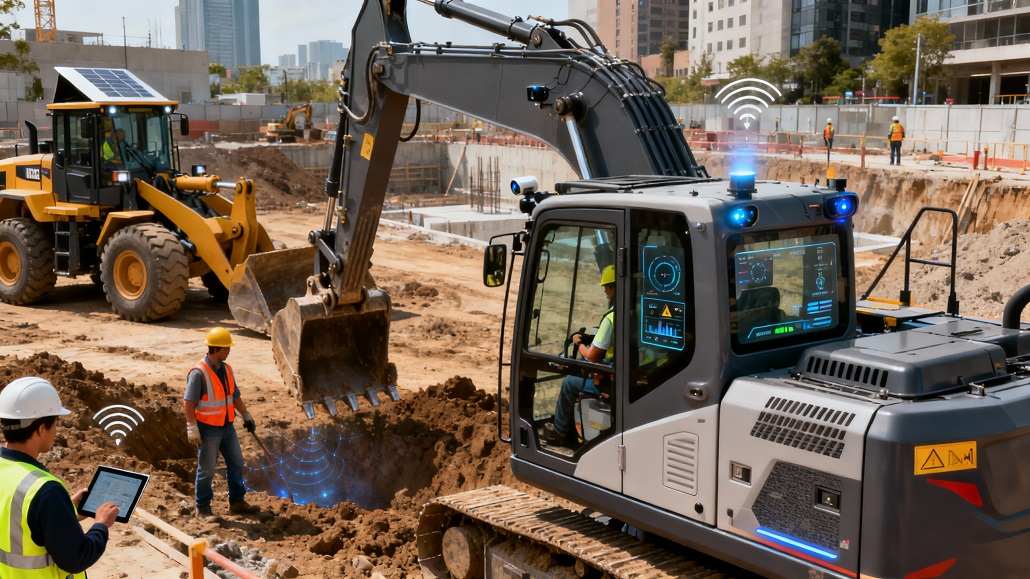
One of the most dangerous areas on a construction site is the “blind spot” around heavy equipment. Despite the best efforts of operators, the physical size of excavators, loaders, and haul trucks creates significant gaps in visibility. This is where construction safety technology has made its most visible impact. Today’s machines are increasingly equipped with a suite of sophisticated sensors, including radar, ultrasonic detectors, and LiDAR (Light Detection and Ranging). These sensors feed into an onboard processor that stitches together a bird’s-eye view of the machine’s surroundings.
These equipment safety systems do more than just provide a better camera angle. They are intelligent enough to distinguish between a static object, like a concrete barrier, and a moving object, like a ground worker. When a person enters the machine’s danger zone, the system provides escalating alerts first visual, then audible, and in the latest designs, haptic feedback through the operator’s seat or joystick. Some of the most advanced construction machinery safety innovation even features “autonomous braking,” where the machine will override the operator’s input and come to a complete stop if a collision is imminent. This level of intervention is a massive leap forward in ensuring that a split-second distraction does not lead to a life-altering tragedy.
Operator Assist Technology: Reducing the Burden of Complexity
Safety is inextricably linked to operator fatigue and cognitive load. Operating a massive piece of machinery requires intense concentration for eight to twelve hours a day. As the operator tires, their reaction times slow, and their situational awareness diminishes. To combat this, manufacturers are deploying operator assist technology that simplifies the most demanding aspects of the job. For instance, semi-autonomous grade control systems manage the precise movements of a blade or bucket, allowing the operator to focus more of their attention on the machine’s surroundings rather than the minutiae of the hydraulic controls.
Furthermore, “smart cabins” are now equipped with internal cameras and sensors that monitor the operator’s state. By analyzing eye movement and head position, these jobsite safety solutions can detect the early signs of fatigue or distraction. If the system determines the operator is becoming drowsy, it can trigger an alarm and notify the site supervisor. This proactive approach to mental health and alertness is a recognition that the operator is the most critical safety component on the site, and supporting them is just as important as reinforcing the steel frame of the machine.
The Structural Integrity of Safety-First Design
While software and sensors grab the headlines, the physical design of the machinery is also undergoing a safety-focused overhaul. ROPS (Roll-Over Protective Structures) and FOPS (Falling-Object Protective Structures) have been standard for years, but new materials and engineering techniques are making these cabins even more resilient while improving visibility. Slanted hoods, narrower pillars, and floor-to-ceiling glass are all physical manifestations of construction machinery safety innovation. Even the way a worker climbs into the cab has been redesigned, with three-point contact steps and better-positioned handrails reducing the risk of slips and falls one of the leading causes of non-fatal injuries in the industry.
Connected Jobsite Safety Solutions and Data Analytics
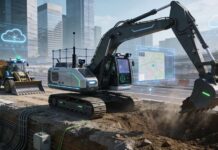
The true potential of safety innovation is realized when individual machines are connected to a broader site-wide network. By centralizing the data from various equipment safety systems, project managers can identify “near-miss” patterns. For example, if telematics data shows that machines are frequently triggering collision alerts at a specific intersection on the site, the manager can redesign the traffic flow to eliminate the conflict. This data-driven approach allows for a “continuous improvement” cycle where safety protocols are updated based on real-world evidence rather than just intuition.
This connectivity also enables remote operation, which is perhaps the ultimate safety innovation. In hazardous environments such as demolition of unstable structures, work on steep slopes, or handling of contaminated materials operators can now control the machine from a safe distance using a remote station or even a VR headset. By removing the human from the danger zone entirely, we are achieving the goal of zero-risk operation in the most challenging conditions imaginable.
Conclusion: A New Standard of Professional Responsibility
The evolution of construction safety technology is more than just a series of technical upgrades; it is a cultural transformation. The industry is moving away from the “accidents happen” mentality and toward a future where every incident is viewed as preventable. By investing in construction machinery safety innovation, companies are not just protecting their workforce; they are improving their productivity, reducing their insurance premiums, and enhancing their reputation. In the modern construction world, the safest machine is the most efficient machine, and the highest standard of work is one that ensures every worker returns home safely at the end of the day.
