


























Key Takeaways:
- Digital guidance through construction machine control systems eliminates the traditional reliance on manual stakes and constant surveying, allowing operators to achieve grade accuracy within millimeters on the first pass. This shift not only accelerates project timelines but also ensures that material usage is optimized to the highest degree, directly translating into higher profit margins and lower environmental impact for large-scale infrastructure projects.
- The adoption of GPS construction equipment and digital grading systems fosters a more inclusive and efficient workplace by lowering the steep learning curve for newer operators while providing veterans with the tools to perform complex tasks with less physical fatigue. By centralizing data through 3D modeling, project managers can monitor progress in real-time, ensuring that every movement of the blade or bucket aligns perfectly with the architectural intent and engineering specifications.
Advanced Machine Control Improving Construction Precision
The construction industry has long been characterized by its reliance on physical labor and manual verification, but the dawn of the digital era has introduced a paradigm shift that is redefining the very concept of accuracy. At the heart of this transformation are construction machine control systems, which represent the pinnacle of engineering and software integration. These systems provide operators with a virtual blueprint that is synchronized with the physical movements of heavy machinery, ensuring that every cubic meter of earth moved is done so with intentionality. For decades, the process of grading and excavation involved a tedious dance of setting stakes, manual checking by surveyors, and frequent pauses to ensure compliance with the design. Today, that process has been streamlined into a continuous, high-precision operation where the machine itself understands its position in three-dimensional space.
The Evolution and Architecture of Machine Control Technology
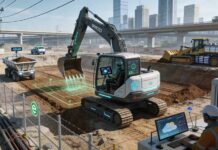
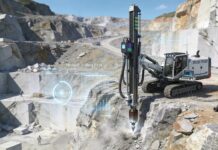
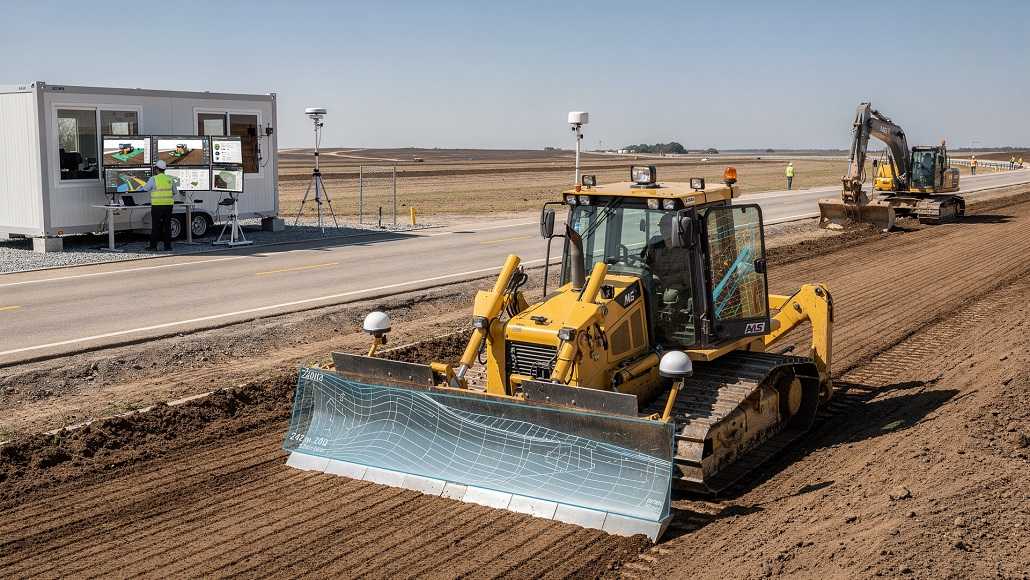
Understanding how machine control technology works requires a look at the various components that form the nervous system of modern heavy equipment. It begins with high-precision GNSS sensors mounted on the machinery, which communicate with a constellation of satellites to determine the exact coordinates of the tool point, whether it is an excavator bucket or a dozer blade. This positional data is then compared against a digital 3D model of the project site. The onboard computer calculates the difference between the current position and the desired grade, providing the operator with real-time visual guidance on a cabin display. In more advanced semi-autonomous setups, the system can even take control of the hydraulic valves to automatically adjust the blade or bucket, ensuring that it never over-cuts or under-fills.
The reliability of GPS construction equipment has become the backbone of civil engineering projects. By utilizing base stations and Real-Time Kinematic (RTK) corrections, the margin of error is reduced to nearly zero. This level of precision construction is not merely a luxury; it is becoming a requirement in an era where urban density and complex infrastructure demand tighter tolerances than ever before. When a machine knows exactly where it is and where it needs to be, the need for rework the traditional bane of the construction budget is virtually eliminated. This efficiency ripple effect moves through the entire project lifecycle, from initial site clearing to final paving.
The Strategic Advantages of Digital Grading Systems
Digital grading systems offer a level of consistency that human intuition alone cannot match. In traditional methods, the quality of a finish grade often depended entirely on the skill and experience of the operator. While veteran operators are still invaluable, the technology acts as a force multiplier, allowing less experienced personnel to achieve professional-grade results much faster. This is particularly crucial given the current labor shortages facing the global construction market. By democratizing skill through technology, companies can maintain high standards of quality regardless of the individual operator’s tenure.
Furthermore, the environmental benefits of these systems are substantial. Because machines spend less time idling and fewer passes are required to reach the target grade, fuel consumption is significantly reduced. This reduction in carbon footprint aligns with the growing industry trend toward sustainable building practices. Moreover, the precision construction approach ensures that only the necessary amount of material is moved. In large-scale highway projects or residential developments, avoiding the unnecessary transport of thousands of tons of soil can save millions of dollars in logistics and material costs.
Integrating 3D Modeling and Real-Time Data
The synergy between the office and the field is perhaps the most significant outcome of modern machine control. When a design change occurs in the engineering office, the updated 3D model can be pushed wirelessly to the entire fleet of GPS construction equipment instantly. This eliminates the risk of operators working from outdated paper plans, a common source of expensive errors in the past. Real-time data synchronization allows project managers to track “as-built” progress against the “as-designed” plan. This transparency provides a level of accountability and project control that was previously impossible, allowing for proactive adjustments before small discrepancies become major problems.
Economic Impact and ROI in Heavy Machinery
While the initial investment in construction machine control systems can be substantial, the return on investment (ROI) is often realized within the first few major projects. The savings come from multiple avenues: reduced surveyor costs, decreased fuel consumption, lower wear and tear on machinery due to fewer operating hours, and the elimination of rework. In a competitive bidding environment, firms that utilize machine control technology can offer more aggressive pricing because they have a higher degree of certainty regarding their timelines and material costs.
Beyond the direct financial gains, there is a significant safety benefit. With fewer workers needed on the ground to check grades and move stakes, the risk of “man-versus-machine” accidents is greatly reduced. The jobsite becomes a cleaner, more organized environment where the primary focus is on efficient execution. As we look toward the future, the integration of artificial intelligence and machine learning will only further refine these systems, potentially leading to fully autonomous earthmoving fleets that operate with surgical precision around the clock.
Conclusion: Shaping the Future of Infrastructure
The transition toward digital grading systems and connected machinery is not just a trend; it is the fundamental evolution of the building trade. As infrastructure projects grow in complexity and budgets tighten, the reliance on high-accuracy construction machine control systems will become universal. Those who embrace these tools are not just improving their current projects; they are building the foundation for a more efficient, sustainable, and precise future. The marriage of heavy iron and high-tech software is proving that in the world of construction, the path to progress is paved with data.
