





















Close
MCE 2026
Wednesday, January 21, 2026
JEC WORLD 2026

The Transformative Journey of Office Furniture And Design

Note* - All images used are for editorial and illustrative purposes only and may not originate from the original news provider or associated company.

Subscribe

- Never miss a story with notifications

- Gain full access to our premium content

- Browse free from any location or device.

Media Packs

Expand Your Reach With Our Customized Solutions Empowering Your Campaigns To Maximize Your Reach & Drive Real Results!

– Access the Media Pack Now

– Book a Conference Call

Leave Message for Us to Get Back

Related stories

FP McCann Easy-Trim Acquisition Expands Roofing Products

FP McCann has completed the Easy-Trim acquisition, adding roofing...

Titan America Keystone Acquisition Spans Mid-Atlantic Reach

Titan America has signed an agreement to complete the...

Sustainable Construction Machinery for Low Emission Sites

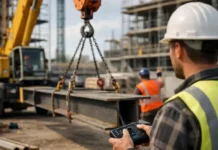
Reducing the carbon footprint of the building sector requires a total reimagining of engine technology and energy consumption, leading to the rise of specialized machinery that balances power with environmental stewardship. By prioritizing low emission operation and energy-efficient designs, contractors are meeting the dual challenge of fulfilling ambitious infrastructure goals while adhering to increasingly stringent global climate regulations.
- Advertisement -
Advancing Prefabrication 2026

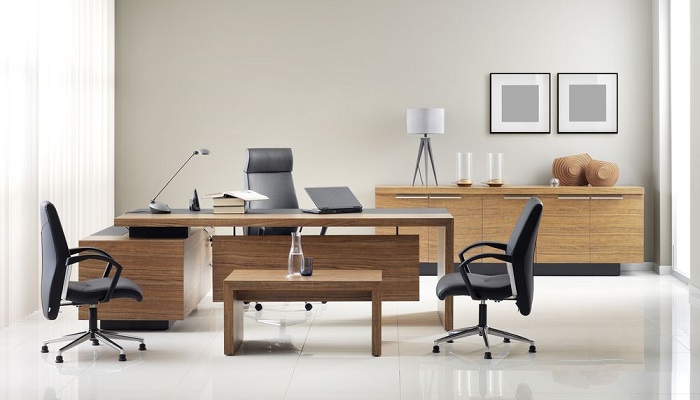
The office furniture industry has undergone a remarkable evolution since its inception, playing a crucial role in shaping the modern workplace. This journey begins with the establishment of the first offices in ancient Rome, where dedicated spaces were created for work. In the 18th century, as global trade expanded and purpose-built office buildings emerged. Architectural advancements like skyscrapers, lifts, steel frame construction, electric lighting, and air conditioning revolutionized office design and enabled more efficient and functional workspaces.

In the 1920s, the office transformed with the introduction of new technologies like the typewriter and telephone. These innovations led to a demand for more ergonomic and efficient office furniture. However, it was in the 1960s that a significant shift could be witnessed with the introduction of the open-office. This design aimed to create a collaborative and social work environment by removing barriers and partitions that separated employees.

The open-office concept gained popularity in the 1980s and 1990s as companies sought to foster teamwork and creativity. Office furniture manufacturers responded to this trend by offering a variety of furniture options and layouts tailored to the open-office concept. However, in the 2000s, concerns regarding noise and distractions led to a shift away from the fully open office. Office design began emphasizing a balance between collaboration and privacy, giving rise to new designs that focused on flexibility, innovation, and adaptability.

Today, modern office design strives to create spaces that can easily accommodate different departments and tasks. It emphasizes furniture that can be rearranged, inspiring decor, and integrated technology to enhance productivity and efficiency. As businesses continue to grow and it evolves more and more, the office furniture industry remains essential in shaping the future of the workplace. Understanding the unique requirements of each company, furniture providers aim to support the creation of successful and thriving work environments.

Achema Middleeast

Latest stories

Related stories

FP McCann Easy-Trim Acquisition Expands Roofing Products

FP McCann has completed the Easy-Trim acquisition, adding roofing...

Titan America Keystone Acquisition Spans Mid-Atlantic Reach

Titan America has signed an agreement to complete the...

Sustainable Construction Machinery for Low Emission Sites

Reducing the carbon footprint of the building sector requires a total reimagining of engine technology and energy consumption, leading to the rise of specialized machinery that balances power with environmental stewardship. By prioritizing low emission operation and energy-efficient designs, contractors are meeting the dual challenge of fulfilling ambitious infrastructure goals while adhering to increasingly stringent global climate regulations.

Digital Construction Sites Powered by Connected Equipment

The concept of a connected jobsite revolves around a unified digital ecosystem where every asset contributes real-time data to a centralized management hub, ensuring seamless coordination across large-scale projects. By integrating sophisticated data analytics and satellite-driven monitoring, the industry is moving toward a more transparent and highly optimized way of delivering complex infrastructure.

Subscribe

- Never miss a story with notifications

- Gain full access to our premium content

- Browse free from any location or device.

Media Packs

Expand Your Reach With Our Customized Solutions Empowering Your Campaigns To Maximize Your Reach & Drive Real Results!

– Access the Media Pack Now

– Book a Conference Call

Leave Message for Us to Get Back

Translate »