


















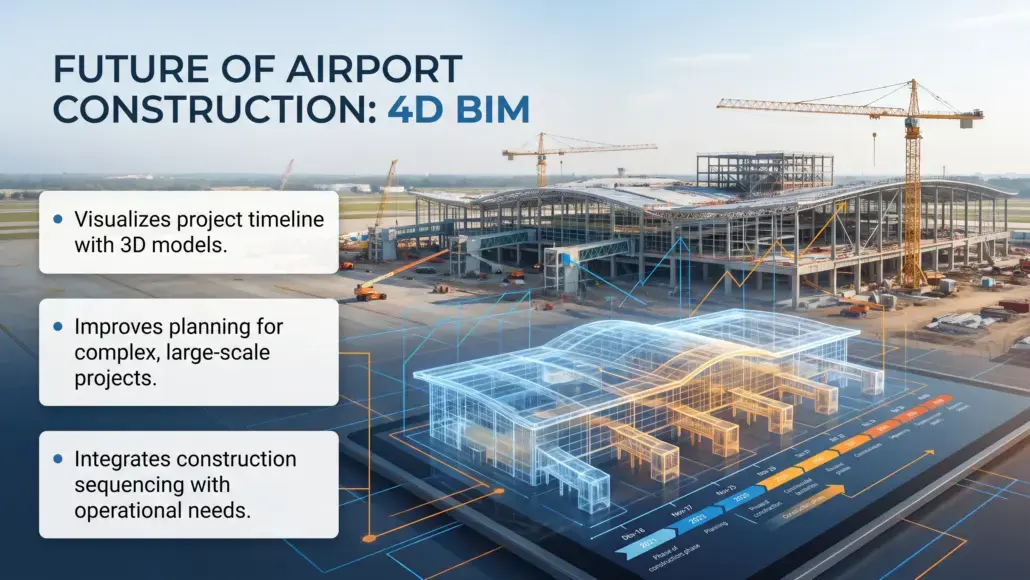


The management of massive airport projects requires a level of planning that accounts for the complex interplay between structural development, specialized systems installation, and operational constraints. The adoption of 4D BIM scheduling has transformed the way contractors approach construction sequencing, providing a dynamic visualization of the project timeline integrated directly with the three dimensional model. By adding the dimension of time to the digital replica of the facility, project teams can simulate every stage of the construction process, identifying potential spatial and temporal conflicts before they occur on the site. This approach is particularly critical for airport environments, where construction activities must be coordinated with active flight operations and strict security protocols. The transition from static Gantt charts to interactive 4D models ensures that the project remains on track, minimizing disruptions and maximizing the efficiency of site logistics.
Airport construction often involves hundreds of interdependent tasks that must be executed in a specific order within a confined geographic area. Traditional scheduling methods frequently struggle to represent the logistical challenges associated with moving large quantities of material and equipment through active airside zones. However, 4D BIM scheduling allows project managers to visualize the movement of assets and the availability of workspaces over time. This level of foresight enables the optimization of the construction sequence, ensuring that multiple crews can work simultaneously without interfering with one another. The ability to demonstrate the planned progress to airport stakeholders through a clear and intuitive visual model also fosters better communication and consensus building, providing a reliable roadmap for project success.
Visualizing Time Phase Relationships and Site Logistics
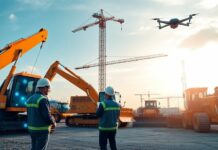
The primary benefit of 4D BIM scheduling is the ability to see how the physical structure evolves over time. By linking the project schedule to the 3D model, engineers can play back the construction sequence, identifying areas where the planned activities might lead to congestion or safety risks. In an airport setting, where cranes and heavy machinery must operate in proximity to taxiways and terminal buildings, this visualization is essential for planning safe travel paths and swing zones. The 4D model allows for the detailed simulation of complex operations, such as the installation of large roof trusses or the phased replacement of runway segments. This reduces the uncertainty associated with high risk activities and ensures that the site logistics are fully optimized to support the construction schedule.
Managing the flow of materials to a major airport project is a significant undertaking, and 4D BIM scheduling provides the tools needed to coordinate deliveries and storage areas with precision. The model can be used to plan the location of temporary facilities, material laydown zones, and hauling routes for every phase of the project. By visualizing the site conditions at specific dates, project managers can ensure that the necessary space is available when it is needed and that the movement of materials does not block critical access points. This proactive approach to logistics management minimizes the risk of delays caused by site congestion and ensures that the construction crews have everything they require to maintain the intended pace of work.
Conflict Resolution in Airside and Landside Operations
The integration of the technology allows for the early detection of conflicts between construction activities and ongoing airport operations. By including the operational zones of the airport in the digital model, contractors can identify instances where construction machinery or structures might encroach on protected airspace or active taxiways. This capability is vital for maintaining the safety and continuity of aviation activities during the construction phase. The 4D model can be used to test different sequencing scenarios, allowing the team to find the most efficient approach that minimizes the impact on flight schedules and passenger movements. The ability to resolve these conflicts in the virtual world before they manifest on site saves significant time and resources and reduces the risk of operational disruptions.
Beyond spatial conflicts, the technology also helps identify temporal conflicts where interdependent tasks are scheduled out of order or without sufficient lead time. For instance, the model might highlight that a mechanical room cannot be outfitted until the primary structural elements are in place and the building is weather tight. By identifying these dependencies in the 4D environment, the project team can adjust the schedule to ensure a logical and efficient flow of work. This reduces the likelihood of crews standing idle or having to perform work out of sequence, which often leads to quality issues and rework. The focus on coordination and sequence integrity provided by 4D models is a key factor in the successful delivery of complex aviation infrastructure.
Resource Allocation and Critical Path Management
Effective resource management is a cornerstone of profitable construction, and the technology provides granular insights into the demand for labor, equipment, and materials over the life of the project. By analyzing the resource requirements associated with each task in the 4D model, project managers can identify peak periods of activity and plan for the necessary capacity. This ensures that the project is adequately staffed and equipped to meet its milestones while avoiding the costs of over provisioning. The 4D environment also facilitates the identification and management of the critical path, allowing the team to focus their attention on the activities that have the greatest impact on the final completion date. The ability to visualize the impact of potential delays on the entire project timeline enables more informed decision making and better risk mitigation.
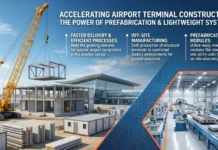
The use of the technology also supports the growing trend toward prefabrication and modular construction in the airport sector. By simulating the installation of large prefabricated components, such as terminal wall panels or baggage handling modules, the project team can ensure that the site is ready and that the necessary equipment is available to handle the installation safely and efficiently. The 4D model provides the level of detail needed to coordinate these complex logistical operations, reducing the time spent on site and improving the overall quality of the construction. The integration of resource data into the 4D environment ensures that the project is managed as a holistic system, where every element is synchronized to drive the project forward.
Enhancing Safety through Simulation and Communication
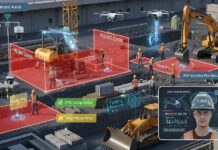
Safety is the primary concern in any airport construction environment, and the technology plays a central role in identifying and mitigating risks. The ability to simulate the construction sequence allows the project team to identify potential hazards, such as overlapping work zones or dangerous activities occurring near active runways. By visualizing these risks in the 4D model, safety managers can develop targeted mitigation strategies and communicate them clearly to the entire workforce. The model can also be used for site inductions and safety briefings, providing workers with a clear understanding of the planned activities and the potential hazards they might encounter. This visual approach to safety management is more effective than traditional methods and contributes to a safer and more productive work environment.
Additionally, the the technology model serves as a powerful communication tool for all project stakeholders. The ability to present the construction plan in an intuitive and visual format makes it easier for airport authorities, airlines, and regulators to understand the impact of the project on their operations. This transparency fosters better collaboration and builds trust among the various parties involved, ensuring that everyone is aligned with the project goals. The 4D model provides a common language for discussing the project, reducing the likelihood of misunderstandings and ensuring that all stakeholders have the information they need to make informed decisions. The focus on clarity and engagement in the planning process is a hallmark of successful airport project management.
Strategic Planning and Long Term Value Realization
The value of the technology extends beyond the completion of the construction phase, providing a wealth of data that can be used for future facility management and expansion efforts. The digital record of the construction sequence provides a clear history of how the infrastructure was built, which is invaluable for future maintenance and renovation projects. By understanding the methods and sequences used during the initial construction, facility managers can plan their work more effectively and minimize the risk of damaging existing systems. The 4D model also serves as a foundation for the development of a digital twin that supports ongoing operational management, providing a platform for simulating the impact of future changes and optimizations.
As the aviation industry continues to evolve, the demand for efficient and well coordinated construction will only increase. the technology is a key technology that will help the construction sector meet these challenges, providing the tools needed to manage complexity and deliver high quality infrastructure on time and within budget. The ongoing development of even more sophisticated 4D modeling and simulation tools will further enhance the capabilities of the project team, providing even greater levels of control and insight. The future of airport construction is one where the project schedule is a dynamic and integrated part of the digital model, ensuring the highest standards of safety, quality, and performance. The commitment to using the best available technology is what will define the leading firms in the airport construction sector, and the technology is at the forefront of this technological revolution.