





























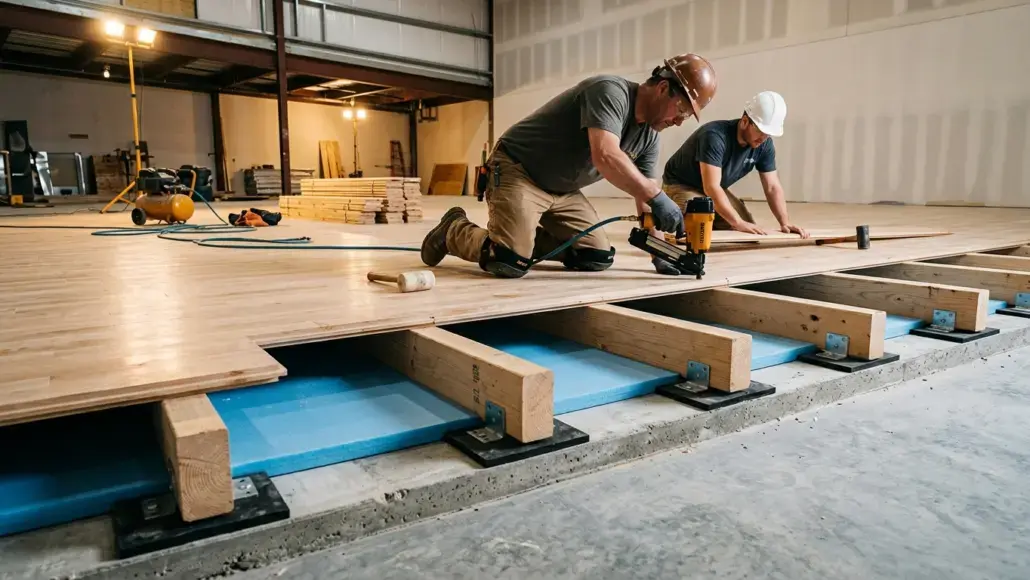


The modern arena is a theater of extreme physical performance, where the margins between victory and defeat or safety and injury are often determined by the ground beneath an athlete’s feet. In the realm of contemporary athletic facility design, sports flooring engineering has emerged as a specialized discipline that sits at the intersection of biomechanics, material science, and civil engineering. No longer is a gym floor simply a flat wooden surface it is a sophisticated, multi-layered energy management system designed to mitigate the brutal forces of high-impact sports. As our understanding of human physiology advances, the requirements for these surfaces have become increasingly rigorous, demanding a delicate balance between mechanical resilience and physiological protection.
The Biomechanics of Surface Performance
At the core of sports flooring engineering is the fundamental need to manage the kinetic energy generated during athletic activity. When a basketball player lands from a vertical jump or a sprinter makes a sudden lateral cut, the force exerted on the floor can be several times their body weight. A rigid, unyielding surface would return this energy directly into the athlete’s joints, leading to acute injuries and chronic conditions such as stress fractures or ligament degradation. Engineering solutions now focus on “area elasticity” and “point elasticity.” Area elastic floors, typically constructed from high-grade maple over complex sleeper systems, distribute the impact over a wide area, providing the consistent ball bounce and foot stability required for professional play. Point elastic floors, often composed of synthetic polymers or rubber, compress only at the point of contact, offering localized cushioning that is ideal for multi-purpose recreation and lower-impact activities.
Shock Absorption and the Management of Impact Forces
The primary metric of success for any athletic surface is its shock absorption capability. Modern sports flooring engineering utilizes advanced testing standards, such as the EN 14904, to measure exactly how much energy is absorbed by the floor versus how much is returned to the athlete. In high-impact venues, engineers utilize multi-stage suspension systems that include rubber pads of varying densities, specialized foam underlays, and air-flow chambers. These components work in harmony to provide a “progressive” response to impact a light footstep receives gentle cushioning, while a heavy landing engages the deeper, more resilient layers of the system. This sophisticated energy management is essential for extending the careers of professional athletes and ensuring the long-term health of recreational users in schools and community centers.
Friction Calibration and the Prevention of Torsional Injury
Beyond vertical impact, the horizontal interaction between the shoe and the surface is a critical area of concern for athletic facility design. Sports flooring engineering must calibrate the coefficient of friction with surgical precision. If a surface is too slippery, athletes risk losing their footing and suffering traumatic falls. Conversely, if a surface has too much “grip,” it can cause the foot to stick while the rest of the body continues to rotate, leading to catastrophic knee and ankle injuries. Engineering the perfect finish involves the use of specialized water-based lacquers and textured synthetic resins that provide “controlled slide.” This allows for the explosive lateral movements required in sports like volleyball and badminton without the risk of excessive torsional stress on the athlete’s lower extremities.
Material Innovation in Athletic Infrastructure
The choice of materials in sports floor systems is driven by a need for both durability and physiological responsiveness. While northern hard maple remains the gold standard for professional basketball due to its unique cell structure and “tight” grain, synthetic innovations are rapidly closing the gap. Polyurethane and vulcanized rubber surfaces have become the mainstay of indoor sports infrastructure because of their seamless installation and incredible resilience. These materials can be engineered with specific densities to provide different performance characteristics for different sports. For example, a track and field surface requires a high energy return to propel the runner forward, while a weightlifting area needs extreme impact resistance and vibration damping. This level of material customization is a hallmark of modern sports flooring engineering.
Vibration Control and Acoustic Performance
In large arenas and multi-story fitness centers, the management of vibration and sound is a secondary but vital engineering challenge. The impact of a hundred athletes running simultaneously can create significant structural vibrations that affect both the building’s integrity and the comfort of occupants in adjacent spaces. Sports flooring engineering addresses this through the use of “acoustic cradles” and vibration-damping membranes that decouple the athletic surface from the building’s structural slab. By breaking the path of sound transmission, these systems allow high-impact venues to coexist with quiet office or residential spaces in dense urban environments. This acoustic engineering is particularly critical in “vertical” cities where fitness facilities are often located directly above or below sensitive commercial tenants.
Environmental Durability and Lifecycle Management
Sports flooring engineering also accounts for the intense environmental stresses placed on athletic surfaces. In many high-impact venues, humidity and temperature fluctuations can cause natural wood systems to expand or contract, leading to “dead spots” or warping. Modern engineering solutions include sophisticated moisture barriers and “floating” installation techniques that allow the floor to breathe and move independently of the subfloor. Furthermore, the development of UV-cured coatings and moisture-resistant resins has significantly extended the lifecycle of these surfaces, reducing the need for frequent sanding and refinishing. This focus on durability ensures that the athletic facility design remains a high-value asset for the owner, providing a consistent and safe environment for athletes over decades of heavy use.
The Future of Interactive and Smart Sports Floors
As we look to the future, the field of sports flooring engineering is being transformed by the integration of digital technology. We are seeing the emergence of “LED glass” floors that can change their court markings at the touch of a button, allowing a single venue to switch between basketball, tennis, and volleyball in seconds. These surfaces are not just visual they are engineered with specialized etched textures that replicate the friction and shock absorption of traditional wood. Even more revolutionary is the development of “smart” floors with embedded pressure sensors that can track an athlete’s movement patterns, jump height, and gait in real-time. This data can be used to optimize training programs and detect early signs of fatigue or injury risk, moving the floor from a passive surface to an active partner in athletic performance.
Sustainable Engineering and Bio-Based Materials
In alignment with global green building trends, sports flooring engineering is increasingly prioritizing sustainability. This includes the use of FSC-certified timber, recycled rubber from industrial waste, and bio-based resins derived from renewable agricultural sources. The goal is to create high-performance surfaces that have a minimal environmental footprint without compromising on athlete safety. Some of the most advanced impact resistant surfaces now utilize “circular” manufacturing processes, where the floor can be completely reclaimed and repurposed at the end of its life cycle. This ethical approach to engineering is becoming a key requirement for universities and public municipalities that are committed to both the health of their athletes and the health of the planet.
Conclusion: The Foundation of Athletic Excellence
Ultimately, the goal of sports flooring engineering is to provide a foundation that allows the human body to achieve its full potential. By understanding the complex physics of impact and the biological limits of the athlete, engineers are creating surfaces that are safer, more responsive, and more durable than ever before. Whether it is a premier professional arena or a local middle school gym, the quality of the sports floor systems directly impacts the quality of the athletic experience. As we continue to push the boundaries of what is possible in athletic facility design, the floor will remain the most critical piece of equipment in the venue, protecting every athlete, every play, and every dream that takes place upon its surface.