
























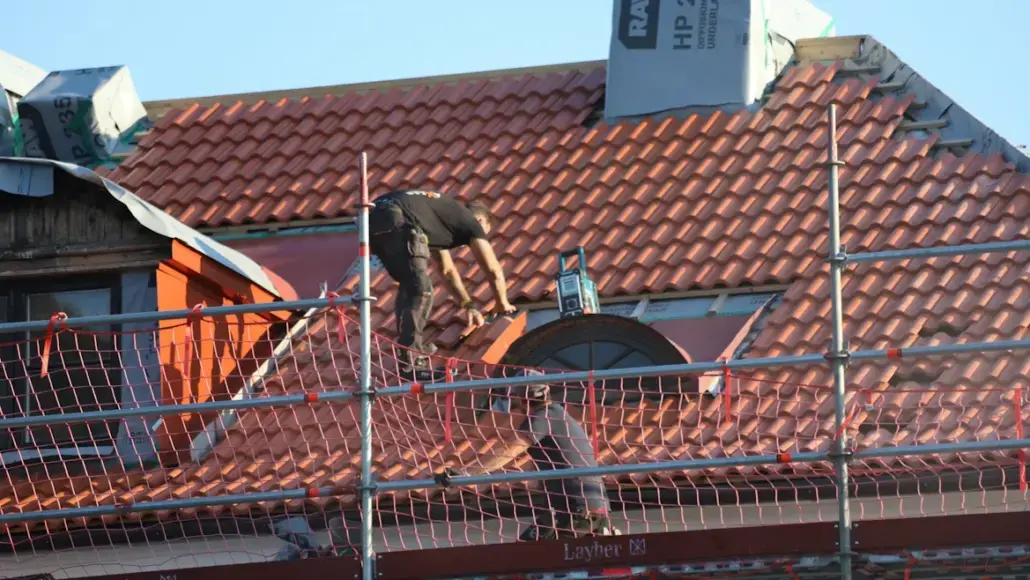


The roof, in the realm of construction, can be viewed as the last barrier for protecting the entire structure. The moment that it has been erected, inspected, and turned over to the relevant parties, the focus shifts either on interior work, tenants, power, or moving onto the next project. However, the roof will continue its job daily by dealing with weather, heat, wind, pressure from drainage, maintenance movement, and aged materials.
A modern building creates value through predictable operation, and roof information is part of that picture. When I read practical roofing resources like rockcastleroofing.com in the context of wider construction planning, the main takeaway is simple: a roof should be understood as a managed system with its own history, risks, and maintenance logic. This is particularly so for commercial buildings, industrial properties, warehouses, schools, hospitals, and mixed-use properties since problems in roofing may cause disruptions in operations.
Why roof data matters after handover
The construction industry is getting better at using data before and during the build. BIM models, digital schedules, procurement dashboards, drone surveys, and cost-control platforms are now common on many projects. The weaker point often appears after handover. A building may have detailed design files, yet the roof maintenance team receives only a basic warranty folder and a few product names.
That gap becomes expensive over time. A roof is exposed to constant change. Sealants shrink. Fasteners loosen. Drainage paths collect debris. Foot traffic creates wear around service zones. The problem could start as a minor defect and remain undetected until water infiltrates insulation, ceiling structures, electrical rooms, and tenant spaces. At that point, it will become much harder to pinpoint the problem and solve it.
Data about roofs need not be complex. Information on the type of roofing material used, installation period, location of drain pipes, history of repairs, inspection records, weather patterns, and warranties can form the basis of good information about roofs. This will allow teams to plan ahead of any visible damage.
The overlooked link between roofing and energy performance
Roofing is also related to energy consumption. There are cases where the roof is important when it comes to heating, cooling, air infiltration, moisture control, and solar readiness. Poor documentation of the roof makes energy optimization difficult since the engineer first needs to know what is available.
Take, for instance, the case where an owner wishes to install solar panels within a few years after constructing the building. While the concept may be simple from the outside, there are a number of factors that determine whether the plan works, such as age, construction, state of the roofing material, wind load, drainage design, means of access, and warranties. The lack of proper information complicates the whole process.
Such examples can be applied to cool roof paints, insulation, HVAC installation, and green roofs. Each improvement touches the existing roof assembly. When the roof is treated as a live asset, future upgrades become easier to evaluate.
Useful roof data may include:
- membrane type and installation date
- insulation thickness and known wet areas
- roof slope and drainage points
- repair history and recurring leak zones
- rooftop equipment layout
- warranty terms and inspection requirements
- load limits for future systems
- photos from inspections and major weather events
Such information aids the alignment of roofing decisions with energy planning, insurance assessments, maintenance budgets, and capital improvement planning.
Weather is changing the maintenance conversation
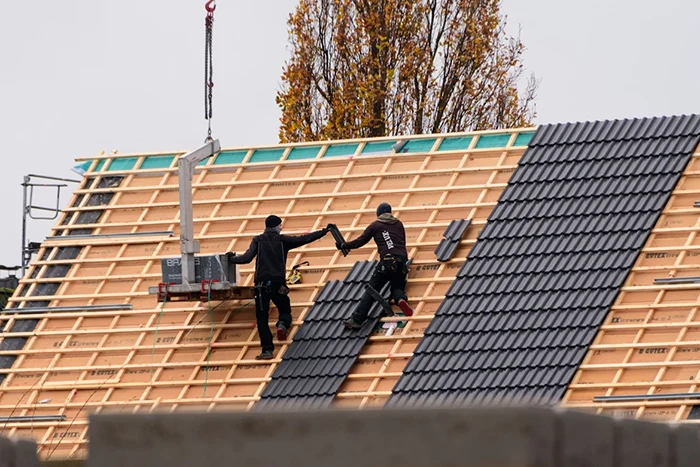
One reason why the issue of roof planning requires greater consideration is the evolution of the weather risks associated with urban areas. Urban areas today experience more frequent storms, rain, heat waves, rapid freeze-thaw cycles, and winds. In spite of improved construction standards, older buildings must have methods to cope with these issues.
A roof that was satisfactory a decade ago might find itself facing new challenges. Drainage systems may be overwhelmed by heavier rain. Older flashing details may struggle during wind-driven storms. Dark roof surfaces may increase cooling demand during longer heatwaves. Maintenance plans built around old assumptions can miss these shifts.
This does not mean every building needs a full roof replacement. Often, the smarter step is a better inspection rhythm. After major weather events, teams should document what changed. After repeated ponding, drainage should be reviewed. After rooftop equipment work, membrane protection should be checked. Small follow-up actions can protect the larger investment.
There is also a risk-management angle. Insurance companies, banks, and property management firms are demanding proof that a property is being managed in a prudent manner. A history of regular roof inspections will aid in such matters. In that sense, roof documentation becomes part of the building’s financial story.
From reactive repairs to planned roof intelligence
The old approach to roofing was simple: wait for a leak, call someone, patch the problem, and move on. That method still exists because it feels cheaper in the short term. Over a long ownership period, it often creates confusion. Teams forget where repairs were made. New managers inherit incomplete files. Contractors inspect the same problem repeatedly. Budgets become reactive.
A planned approach feels different. It starts with a baseline roof assessment, then builds a record over time. Photos are labeled. Repairs are mapped. Inspection notes are saved. Requirements for warranty are monitored. Critical zones are inspected more frequently. In this way, the roof becomes a comprehensible element of the building structure, instead of a confusing layer above the ceiling.
This can be helped by technology. Inspections using drones will facilitate safe inspections of large roofs. Moisture inspections will find hidden moisture. Even a well-organized spreadsheet will be better than unorganized emails and assumptions about the past.
In this case, clarity is important. The owner of a building must be ready to give clear answers to simple questions: How old is the roof? What system is installed? Where do leaks usually happen? What repairs were made last year? Which areas need attention before winter? When will replacement likely become necessary?
In modern construction, performance does not end when the project is complete. The roof proves this every day. It provides structural protection, affects energy consumption, facilitates future improvements, and contains critical risk indicators. Considering it as a data layer allows building owners to transition from reactionary maintenance to asset management. This simple change will result in cost savings, minimal disruptions, and increased resilience for buildings throughout their life cycle.