























The rapid urbanization that characterizes our modern era presents both an opportunity and a significant challenge. As cities grow to accommodate more people, the environmental impact of new buildings and infrastructure becomes a critical issue that we can no longer ignore. In my fifteen years of experience as a construction professional, I have witnessed a major shift in how we approach project delivery. The focus has moved from purely economic considerations toward a more holistic view that prioritizes the long-term health of our planet. Sustainable construction practices are now at the forefront of this movement, transforming urban development into a process that harmonizes human needs with ecological preservation.
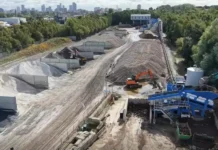
One of the most impactful ways to promote sustainability in construction is through the adoption of a circular economy. Traditionally, our industry has followed a linear “take-make-waste” model, where raw materials are extracted, used, and then discarded as debris. However, we are now seeing a transition toward reclaiming and repurposing materials. This approach reduces the demand for virgin resources and minimizes the amount of waste sent to landfills. For instance, using crushed concrete from demolished buildings as a base for new roads or incorporating recycled steel into structural frames has become a standard practice in many leading-edge urban projects.
Reducing Embodied Carbon in Building Materials
A significant portion of a building’s total carbon footprint is established before its first occupant even enters the door. This is known as embodied carbon, and it refers to the emissions generated during the extraction, manufacture, and transport of construction materials. To combat this, sustainable construction practices are increasingly focusing on the selection of low-carbon alternatives. Innovations such as carbon-cured concrete and bio-based insulation materials are making it possible to significantly reduce the environmental impact of new structures. By choosing materials that have a lower carbon footprint, we can create buildings that are not only efficient to operate but also responsible to construct.
Passive Design and Energy Efficiency
The design phase of any urban development project is a critical window for implementing sustainability. Passive design strategies, which utilize a building’s orientation and form to regulate its temperature, are gaining popularity. By maximizing natural light and ventilation, we can reduce the reliance on artificial heating and cooling systems. This not only lowers energy consumption but also creates a more comfortable and healthier environment for the occupants. In a world where energy costs are rising and climate change is a pressing concern, these sustainable construction practices are essential for creating resilient and efficient urban spaces.
Integration of Renewable Energy Systems
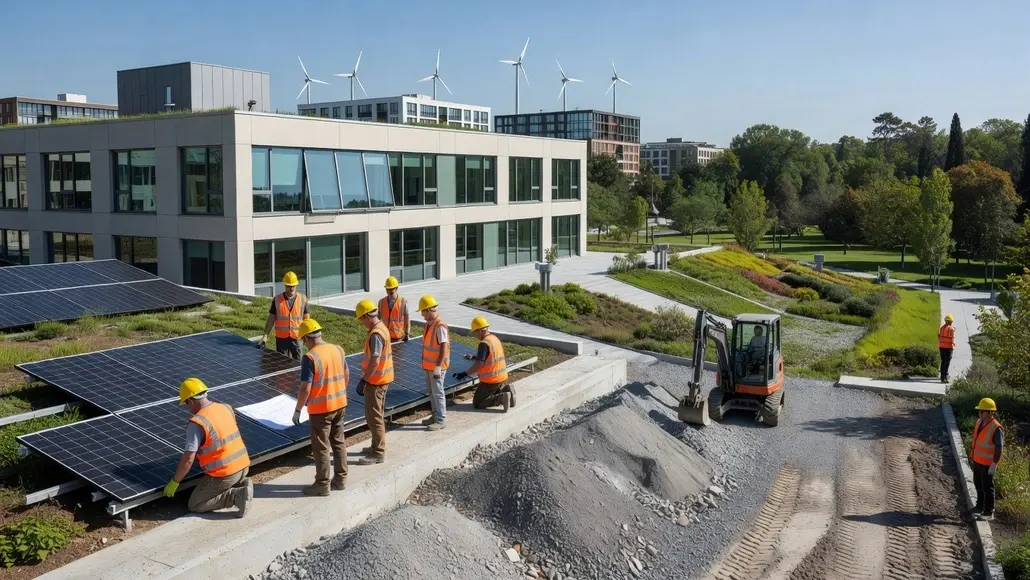
As the demand for energy in our cities continues to grow, integrating renewable energy systems into the fabric of our buildings is more important than ever. Solar panels, wind turbines, and geothermal heating systems are no longer just optional add-ons; they are becoming integral components of modern urban development. These technologies allow buildings to generate their own clean energy, reducing their dependence on the grid and lowering their overall environmental impact. This shift toward self-sustaining structures is a key element of the broader effort to create carbon-neutral cities.
Water Conservation and Management in Urban Areas
Water is a precious resource, and its management is a crucial aspect of sustainable construction. In urban areas, where paved surfaces can lead to excessive runoff and flooding, implementing effective water management systems is vital. Permeable paving, rain gardens, and greywater recycling systems are all examples of how sustainable construction practices can help mitigate the impact of urban development on the water cycle. By capturing and reusing rainwater, we can reduce the strain on municipal water supplies and protect our local ecosystems from the harmful effects of runoff.
The Role of Green Infrastructure
Urban sustainability is not just about individual buildings; it is also about the spaces between them. Green infrastructure, such as parks, green roofs, and urban forests, plays a vital role in enhancing the quality of life in our cities. These features provide essential ecosystem services, including air purification, temperature regulation, and biodiversity support. By incorporating green infrastructure into our urban planning and construction processes, we can create more vibrant and resilient communities that are better equipped to handle the challenges of a changing climate.
Life Cycle Assessment and Long-Term Planning
To truly understand the environmental impact of a construction project, we must look beyond its initial completion. Life Cycle Assessment (LCA) is a tool that allows us to evaluate the environmental performance of a building throughout its entire lifespan, from cradle to grave. This comprehensive approach helps us identify opportunities for improvement and ensures that our sustainability goals are met in the long run. By considering factors such as durability, maintenance, and end-of-life disposal, we can make more informed decisions that lead to more sustainable and cost-effective urban development.
Collaboration and Policy for a Greener Future
The transition to sustainable construction practices requires a collaborative effort from all stakeholders, including developers, architects, engineers, and policymakers. Governments play a crucial role by setting ambitious sustainability targets and providing incentives for green building. At the same time, the industry must continue to innovate and share best practices to ensure that sustainable construction becomes the norm rather than the exception. By working together, we can create a built environment that is not only functional and beautiful but also respectful of the natural world.
Social Sustainability and Community Well-Being
While environmental concerns are a major focus of sustainable construction, we must also consider the social aspect of sustainability. This involves creating buildings and infrastructure that are inclusive, accessible, and supportive of community well-being. By prioritizing the needs of people and ensuring that our urban developments are equitable and resilient, we can foster a sense of belonging and improve the overall quality of life for all city dwellers. This holistic approach to sustainability is essential for building cities that are truly sustainable in every sense of the word.
Challenges and Opportunities in Urban Sustainability
Despite the many benefits of sustainable construction practices, there are still significant challenges to overcome. These include higher initial costs, a lack of specialized knowledge, and resistance to change within the industry. However, as the demand for green buildings continues to grow and the costs of sustainable materials and technologies decrease, these barriers are beginning to fall. The transition to a more sustainable construction industry represents a massive opportunity for innovation and growth, and those who embrace these practices will be well-positioned for success in the future.
The future of urban development lies in our ability to integrate sustainability into every aspect of the construction process. By adopting a circular economy, reducing embodied carbon, and embracing passive design and renewable energy, we can create cities that are more resilient, efficient, and healthy. The journey toward a more sustainable built environment is a long and challenging one, but it is a journey that we must take if we are to ensure a prosperous and sustainable future for our planet. As construction professionals, we have a unique opportunity to lead the way and show the world that it is possible to build a better future, one sustainable project at a time.