




























Water is often a neglected component of the sustainability conversation in the built environment, usually taking a backseat to energy efficiency and carbon emissions. However, the construction process is a water-intensive endeavor, requiring significant volumes for dust suppression, concrete curing, equipment washing, and site sanitation. As global water scarcity increases and utility costs rise, the implementation of smart water systems construction is becoming an essential strategy for maintaining project viability. These systems leverage IoT sensors, real-time data analytics, and automated control mechanisms to optimize water usage, prevent wasteful leaks, and ensure that every drop is utilized effectively. By moving away from manual oversight toward a “smart” infrastructure, the industry can achieve a much higher level of operational efficiency and environmental stewardship.
Digital Monitoring and Real-Time Usage Visibility
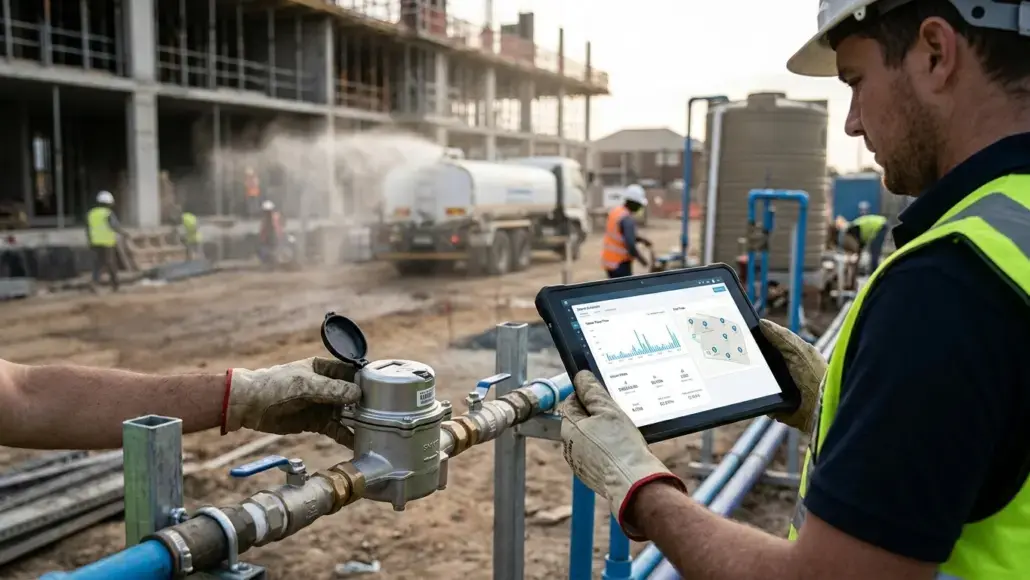
The primary barrier to water efficiency on most construction sites has historically been a lack of visibility. Traditional water meters provide only retrospective data, often delivered in a monthly utility bill long after any wasteful patterns have occurred. In contrast, smart water systems construction provides a high-fidelity, real-time view of consumption across the entire site. By installing digital flow meters at key distribution points, project managers can monitor usage patterns down to the minute. This data allows for the creation of a “water baseline,” making it easy to identify unusual spikes in consumption that might indicate an unauthorized use or a procedural inefficiency. Having a live dashboard of water data ensures that management can make informed decisions rather than relying on guesswork.
Automated Leak Detection and Damage Mitigation
Leaks are one of the most common and costly sources of water waste on a building site. Because many construction water lines are temporary and exposed to harsh conditions, they are prone to damage from machinery, weather, and pressure fluctuations. When smart water systems construction are in place, the network is monitored by acoustic sensors and pressure gauges that can detect even the smallest anomaly in flow. If a leak is identified, the system can automatically send an alert to the site team’s mobile devices or, in more advanced setups, trigger a motorized shut-off valve to isolate the affected area. This proactive approach not only saves thousands of gallons of water but also prevents the extensive property damage and schedule delays that often follow a major on-site flood.
Optimizing Concrete Curing and Dust Suppression
Two of the most water-intensive tasks on a site are concrete curing and dust suppression, both of which have traditionally relied on manual, “set-and-forget” spraying methods. Smart water systems construction allow for a much more precise application. For concrete curing, sensors can monitor the temperature and humidity of the slab, triggering automated misting systems only when the conditions require it. Similarly, for dust suppression, the system can be integrated with local weather stations and on-site air quality sensors. If the wind speed increases or the air becomes particularly dry, the system can increase water application; conversely, it can shut down during rain events. This “demand-driven” approach ensures that water is used only when it provides a tangible benefit to the project’s quality or safety.
Greywater Recycling and On-Site Treatment
A truly efficient site does not just manage its intake but also its output. The implementation of smart water systems construction often includes modular treatment units that allow for the on-site recycling of greywater. Water used for wheel washing, tool cleaning, or temporary site offices can be filtered, treated, and redirected for non-potable uses like dust suppression or toilet flushing. By creating a semi-closed loop, a project can drastically reduce its reliance on the municipal water supply, which is particularly vital in regions where water permits are restricted or expensive. This on-site circularity not only improves the project’s sustainability profile but also reduces the volume of wastewater that must be managed and discharged, lowering environmental impact fees.
Financial ROI and the Cost of Inaction
The economic case for smart water systems construction is becoming increasingly undeniable. As utility rates continue to climb and “water scarcity surcharges” become common in many jurisdictions, the potential savings from a twenty to thirty percent reduction in usage can be significant. Furthermore, the insurance industry is taking a keen interest in these technologies. Water damage is a leading cause of insurance claims in the construction sector, and firms that can demonstrate they have automated leak detection and shut-off systems in place can often secure more favorable premiums. The initial investment in the hardware and software is frequently recouped through a combination of lower utility bills, reduced insurance costs, and the avoidance of expensive “catastrophic” water events that can derail a project’s timeline.
Compliance, ESG, and Stakeholder Expectations
Beyond direct financial savings, smart water systems construction are becoming a key tool for regulatory compliance and stakeholder management. Many municipal authorities now require detailed water management plans as part of the permitting process, and real-time tracking provides the verified data needed to prove adherence to these plans. For publicly traded firms or those seeking institutional investment, water stewardship is a core component of ESG reporting. Being able to provide a precise report on “gallons saved” or “percentage of water recycled” provides a tangible metric for environmental responsibility. This level of transparency builds trust with clients, investors, and the local community, positioning the firm as a leader in the transition to a sustainable built environment.
Integration with Building Information Modeling (BIM)
The utility of water data is enhanced when it is integrated into the broader digital project ecosystem. By linking smart water systems construction with BIM models, designers can create “digital twins” of the site’s water infrastructure. This allows for the simulation of different water management strategies before they are implemented on-site. For instance, the software can model the impact of installing different types of recycling units or the effect of changing the site’s grading on stormwater runoff. This integrated approach ensures that the water system is not an isolated utility but a core component of the project’s overall efficiency strategy, allowing for a level of coordination between different trades that was previously impossible.
Overcoming the “Cheap Water” Mentality in Construction
One of the biggest hurdles to the adoption of these systems is the cultural perception that water is a cheap, limitless resource. In many regions, the cost of water is so low compared to labor and materials that there is little perceived incentive to manage it carefully. However, this “cheap water” mentality fails to account for the “hidden” costs of water use, such as the energy required to pump and heat it, the chemical costs of treatment, and the potential liability of water damage. Educating site managers and subcontractors on the true value of water both as a financial asset and an environmental resource is a critical part of the workforce transformation in the digital era. Smart water systems provide the “hard data” needed to change these perceptions and drive a more responsible site culture.
Future Horizons: AI-Driven Predictive Water Management
The next step in the evolution of this technology is the use of artificial intelligence for predictive water management. Instead of just reacting to current usage, the system will be able to forecast future water needs based on the construction schedule and projected weather patterns. If the AI knows that a large concrete pour is scheduled for a week when a heatwave is predicted, it can automatically secure the necessary water reserves and optimize the distribution network in advance. This “foresight” allows for a much more stable and predictable operation, reducing the risk of water shortages and ensuring that the project stays on schedule despite environmental fluctuations. The transition from “reactive” to “predictive” is the hallmark of the modern smart city infrastructure.
Scalability and the Transition to Smart Building Operations
The benefits of smart water systems construction do not end when the project is handed over to the owner. Many of the sensors and data platforms installed during the construction phase can be transitioned into the building’s permanent operations. This provides the facility manager with an “as-built” digital water record and a functioning monitoring network from day one. This seamless transition is a core component of the “golden thread” of information that is redefining the lifecycle management of modern infrastructure. By building “smart” from the ground up, we ensure that the finished structure is optimized for energy and water efficiency throughout its entire multi-decade operational life, creating a much higher value for the owner and the environment.
Conclusion: Water as a Strategic Construction Asset
As the construction industry continues its digital transformation, the management of water must be brought into the twenty-first century. The implementation of smart water systems construction represents a move away from the wasteful, manual practices of the past toward a future of precision and accountability. By embracing real-time monitoring, automated leak detection, and on-site recycling, firms can improve their operational efficiency, reduce their environmental impact, and protect their financial bottom line. In a world of increasing environmental volatility, the ability to manage water strategically will be a defining characteristic of the most successful and resilient construction projects. Every gallon saved is a step toward a more sustainable and prosperous built environment for everyone.