



























The historical trajectory of architecture has always been a quest for light, transparency, and a seamless connection between the interior and the exterior world. In recent decades, the emergence of structural glass applications modern architecture has fundamentally transformed this pursuit from a dream into an engineering reality. Glass is no longer merely an infill material used for windows; it has become a primary structural component capable of carrying significant loads, spanning large distances, and defining the very essence of the building’s form. By integrating advanced architectural glass systems into modern designs, architects are pushing the boundaries of what is possible, creating structures that appear weightless, ethereal, and profoundly connected to their surroundings.
The Engineering Evolution of Load-Bearing Glass Elements
To understand the impact of structural glass applications modern architecture, one must first recognize the dramatic shift in how glass is perceived as a material. Historically, glass was considered fragile and unpredictable. However, through the development of thermal tempering and chemical strengthening, the tensile strength of glass has been significantly increased. Modern glass construction materials are now capable of performing as beams, columns, and floors. This is achieved through the use of multi-layered laminated glass, where multiple sheets are bonded together with high-performance interlayers. If one layer fails, the others continue to carry the load, and the interlayer holds the fragments in place, ensuring the redundancy and safety required for structural applications.
Innovations in Architectural Glass Systems and Glazing
The success of structural glass applications modern architecture is inextricably linked to the development of sophisticated architectural glass systems. These systems utilize minimal metallic fixings, such as stainless steel bolts or pressure plates, to maximize the visual transparency of the structure. Structural glazing, a technique where glass is bonded directly to the building’s frame using high-strength silicone sealants, allows for the creation of smooth, flush surfaces that appear to be a single, continuous sheet of glass. These glass construction materials are engineered to withstand not only the weight of the glass itself but also wind loads, seismic forces, and thermal expansion, making them a robust choice for the most demanding environments.
The Role of Transparency in Human-Centric Design
The psychological impact of transparent architecture cannot be overstated. By maximizing natural light and providing unobstructed views, structural glass applications modern architecture create spaces that feel more open, vibrant, and conducive to well-being. Studies have consistently shown that access to daylight and a visual connection to the outdoors can improve productivity, reduce stress, and enhance the overall quality of life for building occupants. This human-centric approach to design is a driving force behind the widespread adoption of architectural glass systems in offices, healthcare facilities, and residential projects. Transparent architecture breaks down the barriers between the built environment and the natural world, fostering a sense of harmony and openness.
Technical Challenges and Thermal Performance in Glass Envelopes
While the aesthetic benefits of structural glass applications modern architecture are clear, they also present significant technical challenges, particularly regarding thermal performance. Large expanses of glass can lead to excessive solar heat gain in the summer and heat loss in the winter. To address this, the industry has developed high-performance coatings and insulated glass units (IGUs) that maintain the desired transparency while drastically improving the building’s energy efficiency. These glass construction materials often include low-emissivity (Low-E) coatings that reflect infrared radiation while allowing visible light to pass through. By carefully balancing the glass’s solar heat gain coefficient (SHGC) and its U-value, designers can achieve the stunning visuals of transparent architecture without compromising on sustainability.
Structural Glass in Iconic Architectural Landmarks
The most visible proof of the power of structural glass applications modern architecture can be found in the world’s most iconic landmarks. From the massive glass pyramids of the Louvre in Paris to the revolutionary glass-enclosed Apple Stores found in major cities, glass has become the hallmark of the 21st-century aesthetic. These projects utilize architectural glass systems that were once thought to be impossible, featuring glass fins as structural supports and massive, curved panels that defy traditional geometry. These glass construction materials are not just functional; they are artistic expressions of engineering prowess, demonstrating that transparent architecture can be both delicate and incredibly strong, standing as a testament to the ingenuity of modern designers and manufacturers.
Safety, Lamination, and Redundancy in Glass Design
Safety is the paramount concern in all structural glass applications modern architecture. Unlike steel or concrete, glass is a brittle material that does not show obvious signs of distress before failure. Therefore, the design of architectural glass systems must incorporate a high degree of redundancy. This is typically achieved through lamination, where different types of glass, such as heat-strengthened and fully tempered, are combined to provide a fail-safe mechanism. In the event of an impact or a structural failure, the lamination prevents the glass from falling, maintaining a safe barrier until it can be replaced. These rigorous safety standards ensure that glass construction materials can be used confidently in floors, stairs, and overhead canopies, where the consequences of failure would be most severe.
The Future of Transparent Architecture and Smart Glass
As we look toward the future, the potential for structural glass applications modern architecture continues to expand with the integration of smart technologies. Electrochromic glass, which can change its tint in response to an electric current, allows for the dynamic control of light and heat, further improving the efficiency of architectural glass systems. Additionally, the development of vacuum-insulated glass and advanced structural interlayers will enable even larger spans and more complex geometries. The evolution of transparent architecture is moving toward a future where buildings are not just static objects but responsive, adaptive systems that can optimize their own performance. These innovations in glass construction materials will ensure that glass remains at the forefront of architectural innovation for decades to come.
Integrating Glass with Sustainable Building Practices
Sustainability is no longer an afterthought in the world of structural glass applications modern architecture. The industry is increasingly focused on the lifecycle of glass, from the energy required for manufacturing to its potential for recycling. Many modern architectural glass systems are designed for easy disassembly, allowing the components to be reused or recycled at the end of the building’s life. Furthermore, the use of ultra-clear, low-iron glass maximizes the penetration of natural light, reducing the need for artificial lighting and contributing to a building’s overall energy savings. By selecting high-performance glass construction materials and integrating them into a holistic design strategy, architects can create transparent architecture that is as environmentally responsible as it is visually spectacular.
Overcoming the Complexity of Structural Glass Installation
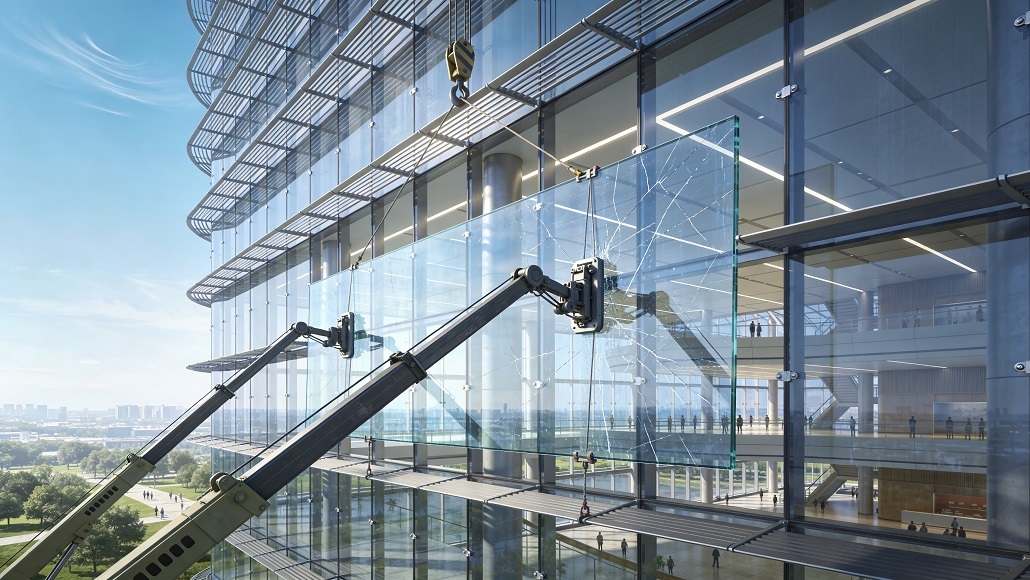
The installation of structural glass applications modern architecture is a highly specialized process that requires precision and expertise. Because glass is so sensitive to point loads and stress concentrations, the connections between glass panels and the supporting structure must be meticulously designed and executed. Heavy lifting equipment, such as vacuum-suction cranes, is often required to position large, heavy panels with millimeter accuracy. The use of high-quality architectural glass systems demands a collaborative approach between architects, structural engineers, and specialist glazing contractors. This synergy is essential to ensuring that the glass construction materials are installed correctly and that the final transparent architecture performs exactly as intended, providing a safe and stunning environment for all who use it.