


























The long-term performance and aesthetic integrity of any structure depend heavily on the resilience of its outermost layer. As environmental conditions become more severe, the role of advanced coating technologies building surfaces has evolved from simple ornamentation to essential structural protection. These sophisticated chemical formulations provide a vital defense against the relentless forces of nature, including ultraviolet (UV) radiation, moisture infiltration, and chemical corrosion. By utilizing high-performance protective coatings construction, architects and facility managers can drastically reduce maintenance costs, enhance the durability of materials, and ensure that buildings retain their value over decades of service.
The Chemistry of Surface Protection and Material Longevity
To appreciate the efficacy of advanced coating technologies building surfaces, one must understand the complex interactions between building materials and their environment. All surfaces, whether they are made of steel, concrete, or stone, are subject to degradation over time. For instance, metal components are prone to oxidation, while concrete is susceptible to carbonation and salt ingress. Advanced building surface protection works by creating a molecular or physical barrier that prevents these deleterious agents from reaching the substrate. This is often achieved through the use of fluoropolymers, epoxy resins, or high-performance polyurethanes, each selected for its specific resistance properties and compatibility with the underlying material.
The Science of Corrosion Resistant Coatings for Structural Steel
In the world of protective coatings construction, managing corrosion remains one of the most significant challenges. Structural steel is the backbone of modern skyscrapers, yet it is inherently vulnerable to moisture and oxygen. Advanced coating technologies building surfaces address this through multi-layered systems. Typically, a zinc-rich primer is applied directly to the steel, providing cathodic protection. This is followed by an intermediate layer of epoxy to block moisture and a topcoat of polyurethane to provide UV resistance and color retention. These corrosion resistant coatings are not merely paint; they are engineered chemical systems that can extend the maintenance interval of a bridge or high-rise by twenty years or more, representing a massive saving in both labor and material costs.
Innovations in Self-Healing and Hydrophobic Exterior Coatings
One of the most exciting developments in building surface protection is the emergence of bio-inspired and nanotechnology-driven solutions. Self-healing coatings, for example, contain microcapsules filled with a repair agent. When the coating is scratched or damaged, the capsules rupture, releasing the agent to seal the breach automatically. Similarly, hydrophobic and super-hydrophobic exterior coatings mimic the lotus leaf effect, causing water to bead up and roll off the surface. This not only prevents moisture-related damage like mold and efflorescence but also provides a self-cleaning function, as the rolling water droplets carry away dust and pollutants. These advanced coating technologies building surfaces are revolutionizing the way we think about building maintenance in urban environments.
The Economic and Environmental Benefits of High-Performance Coatings
The decision to invest in advanced coating technologies building surfaces is frequently driven by a rigorous cost-benefit analysis. While the initial application of premium protective coatings construction may be more expensive than traditional alternatives, the total cost of ownership is significantly lower. A building with superior building surface protection requires fewer repainting cycles and experiences less structural decay. Furthermore, certain reflective exterior coatings can reduce the urban heat island effect and lower cooling costs by reflecting a high percentage of solar radiation. This environmental benefit, combined with the reduction in the consumption of raw materials for repairs, makes advanced coating technologies building surfaces a cornerstone of sustainable development.
Thermal Reflective and Cool Roof Coating Technologies
In many regions, the heat absorbed by building surfaces contributes significantly to energy consumption and occupant discomfort. Advanced coating technologies building surfaces now include solar reflective coatings, often referred to as “cool roof” technologies. These formulations use specialized pigments that reflect infrared light while maintaining the desired visual color. By reducing the surface temperature of a roof or facade by up to 50 degrees Fahrenheit, these protective coatings construction can lower air conditioning demands by as much as 15%. This integration of thermal management with surface protection is a prime example of how building surface protection is becoming a multi-functional tool in modern architectural design.
Fire Protection and Intumescent Exterior Coatings
Safety is another critical dimension where advanced coating technologies building surfaces excel. Intumescent coatings are specialized materials that expand rapidly when exposed to heat, forming a thick, insulating char layer that protects the underlying structure from fire. These protective coatings construction are essential for maintaining the structural integrity of steel frames during a fire event, providing valuable time for evacuation and firefighting efforts. Unlike bulky traditional fireproofing, intumescent exterior coatings can be applied as a thin film, allowing the beauty of the structural steel to remain visible. This fusion of aesthetic freedom and life-saving building surface protection demonstrates the versatility of modern chemical engineering in the construction industry.
Enhancing Aesthetics and Brand Identity Through Surface Protection
While the technical benefits of advanced coating technologies building surfaces are paramount, their role in defining a building’s visual character cannot be ignored. Modern exterior coatings offer an almost limitless palette of colors, textures, and finishes, from high-gloss metallics to deep mattes that resist fingerprints and scuffs. High-performance building surface protection ensures that these aesthetic qualities do not fade or chalk under the relentless sun. For corporate headquarters and iconic landmarks, the ability to maintain a pristine appearance is a matter of brand identity. By selecting the right protective coatings construction, designers can ensure that their vision remains as vibrant and impactful on day ten thousand as it was on day one.
Future Trends in Building Surface Protection and Nanotechnology
As we look toward the future, the integration of smart sensors into advanced coating technologies building surfaces is on the horizon. Imagine a coating that can detect and report the onset of corrosion before it becomes visible to the human eye, or a surface that changes its thermal properties based on the ambient temperature. Nanotechnology is already enabling the creation of thinner, more durable protective coatings construction with enhanced antimicrobial properties, which is increasingly important for public buildings and healthcare facilities. These innovations in building surface protection are not just improving existing materials; they are enabling entirely new types of architecture that are more resilient, more efficient, and more beautiful than anything previously possible.
The Crucial Role of Surface Preparation and Application Quality
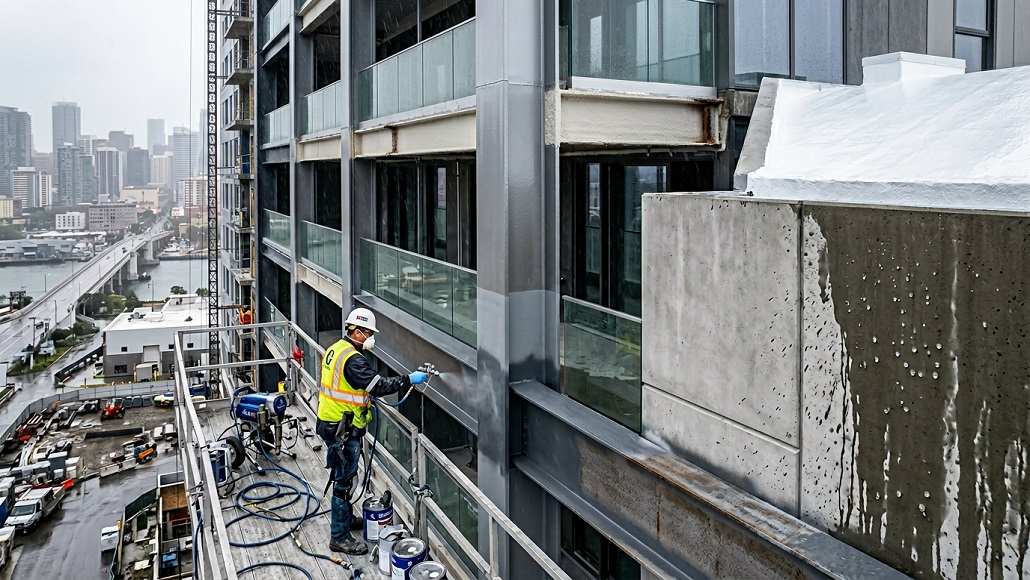
Even the most advanced coating technologies building surfaces will fail if they are not applied correctly. The success of any protective coatings construction project begins with meticulous surface preparation. This involves removing all contaminants, including rust, oil, and old paint, to ensure maximum adhesion. Factors such as ambient temperature, humidity, and the dew point during application must be carefully monitored to prevent premature failure. Professional building surface protection requires a deep understanding of these variables and a commitment to quality control. When executed with precision, these exterior coatings provide a seamless, long-lasting shield that protects the heavy investments made in our built environment, ensuring that the structures we build today will stand strong for the generations of tomorrow.