


























Key Takeaways
- The rise of compact construction equipment is a direct response to the logistical challenges of metropolitan development, where space-constrained sites and strict noise ordinances demand smaller, quieter, yet powerful machinery. By utilizing specialized city construction solutions like mini excavators and compact loaders, contractors can maintain high productivity levels in areas where traditional heavy equipment simply cannot navigate.
- Modern compact machinery is increasingly leading the industry’s shift toward sustainability, with electric and hybrid models offering a significant reduction in onsite emissions and noise pollution. This adaptability not only ensures compliance with tightening urban environmental regulations but also allows for extended operating hours in residential zones, ultimately accelerating project completion times and reducing community disruption.
Compact Construction Equipment Meeting Urban Project Needs
The global trend toward urbanization is reshaping our world, but it is also placing immense pressure on the construction industry to adapt. Building in a bustling city center is fundamentally different from working on a sprawling suburban site or a rural highway. In these high-density environments, every square foot is accounted for, and the logistical hurdles of traffic, noise, and restricted access are constant. This reality has fueled the dramatic rise of compact construction equipment, a category of machinery that has evolved from being “smaller versions of the big stuff” into a highly specialized ecosystem of tools designed specifically for the modern metropolis.
The Strategic Shift Toward Maneuverability and Versatility
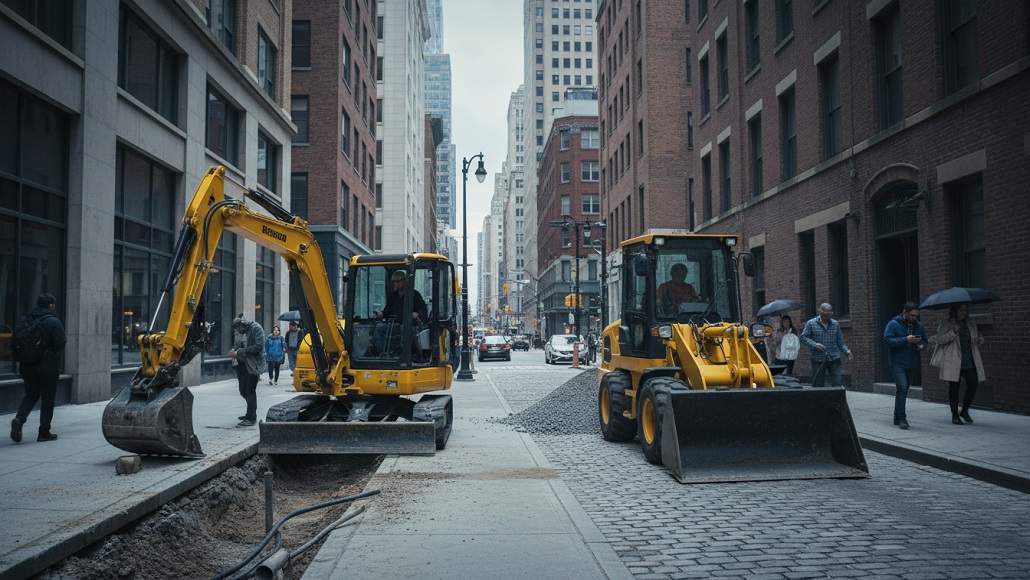
In the narrow streets and tight alleyways of an urban project, a standard-sized excavator is often more of a liability than an asset. This is where the agility of mini excavators and compact loaders becomes indispensable. These machines are engineered with “zero-tail-swing” capabilities, meaning the body of the machine does not extend beyond its tracks when it rotates. This allows an operator to dig right up against an existing building or work within a single lane of traffic without the risk of swinging into an obstacle.
The versatility of this compact machinery is further enhanced by an ever-expanding array of attachments. A single compact loader can be transformed from a bucket loader into a trencher, a pallet fork, or a concrete breaker in a matter of minutes. This multi-functionality is crucial for urban construction equipment because it reduces the number of machines that need to be transported to and stored on a site. In a city where space for equipment staging is at a premium, the ability to do more with less is a significant operational advantage.
Meeting the Demand for Sustainable City Construction Solutions
One of the most pressing challenges for urban developers is the growing body of regulations regarding noise and air quality. Many major cities around the world are implementing “Green Zones” or “Low Emission Zones” that restrict the use of traditional diesel engines. In response, the manufacturers of compact construction equipment have become the pioneers of electrification. Because compact machines require less power than their larger counterparts, they were the logical starting point for the transition to battery-electric technology.
Electric city construction solutions offer two massive benefits. First, they produce zero onsite emissions, which is vital for the health of workers and the public in enclosed or densely populated areas. Second, they are significantly quieter than internal combustion engines. This “silent” operation allows contractors to work earlier in the morning or later at night without violating noise ordinances, which can be the difference between meeting a tight deadline and incurring heavy penalties. Furthermore, the lack of exhaust fumes makes these machines ideal for indoor demolition or renovation projects where ventilation is limited.
The Economic Logic of Smaller Assets
While the performance of compact machinery is impressive, its economic profile is equally compelling. For many contractors, the total cost of ownership for compact construction equipment is much more manageable than for larger assets. They are easier to transport, often requiring only a standard truck and trailer rather than a specialized heavy-haul permit. This reduces mobilization costs and allows for quicker response times when a project needs to scale up or down.
Additionally, the fuel efficiency of these machines is tailored to the intermittent nature of urban work. Many modern compact units feature auto-idle and auto-shutdown features that prevent fuel waste during the frequent pauses inherent in city jobsites. The integration of advanced telematics also allows owners to monitor these smaller assets with the same level of detail as their heavy fleet, ensuring that even the smallest mini excavator is contributing to the project’s overall profitability.
Adapting to High-Density Infrastructure Challenges
Urban infrastructure isn’t just about new buildings; it’s about maintaining the complex network of utilities that lie beneath the surface. Repairing water mains, installing fiber optic cables, and upgrading electrical grids requires surgical precision. Compact construction equipment is the tool of choice for these tasks because it can work in the precise “dig zones” defined by existing utilities. The use of mini excavators with rubber tracks prevents damage to finished pavement and sidewalks, which is another critical consideration for municipal projects where minimizing public property damage is a priority.
The “humanized” design of modern compact cabins also plays a role in productivity. Despite their small exterior footprint, manufacturers have focused on creating ergonomic, high-visibility cabs that reduce operator fatigue. In the high-stress environment of a busy city street, a comfortable and clear-headed operator is a safer and more efficient operator. This focus on the “user experience” of construction reflects a broader industry trend toward treating machinery as a high-tech workplace rather than just a piece of iron.
Conclusion: The Future is Small and Smart
As our cities continue to grow vertically and fill in horizontally, the role of specialized urban construction equipment will only expand. The shift toward compact construction equipment represents a sophisticated understanding of the modern jobsite one where power must be balanced with finesse, and productivity must coexist with community well-being. By embracing these compact machinery solutions, the construction industry is proving that it can build the future of our cities without overwhelming them. Whether it is through zero-emission electric drives or ultra-maneuverable designs, the smallest machines are making the biggest impact on our urban landscape.