


























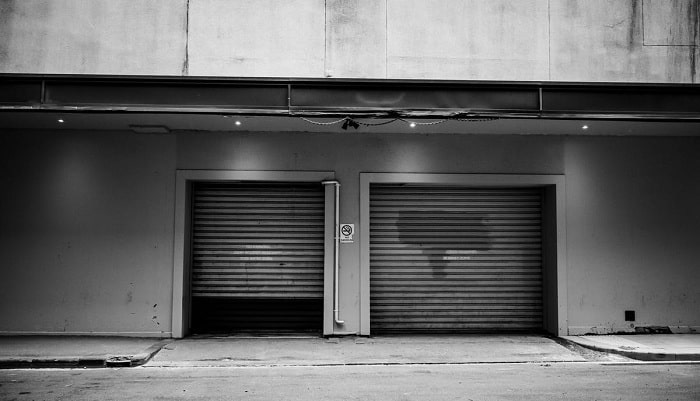


Roll-up doors are used in commercial applications like warehouses and factories, so they have to be much sturdier than normal doors. They need to be strong and secure to keep out intruders and durable enough to withstand repeated opening and closing, aka cycles. Roll-up doors can come in light-duty, medium-duty, and heavy-duty categories, each of which is suitable for certain applications. But no matter which category a roll-up door falls under, it should be easy to use and guaranteed to last for a long time, no matter how often it is used.
Websites like industrialdoorsolution.com suggest carefully considering which kind of door your structure needs. If you choose the wrong kind of door, you could end up with one that can’t stand up to high cycle use or one that is unnecessarily durable because it won’t be used that often. Keep reading to learn more about the different categories of rolling doors and their various uses.
How does a roll-up door work?
A roll-up door consists of small horizontal panels that roll up into a coil around a drum when it is opened. This type of door is very secure and saves a lot of space since it folds up into a compact cylinder when it is closed. The horizontal panels are usually made of steel or another kind of metal, though some roll-up doors use wood panels. The door travels along with a guide as it rolls up, and that guide prevents the door from getting stuck or misaligned.
The door’s curtain refers to the door’s surface when it is closed, so the curtain has to fit the door’s opening. The dead load is what the door weighs as it hangs and is a constant value. The live load of the door can change and is affected by outside factors like the wind.
The Differences Between Light, Medium, and Heavy-Duty Doors
You might think that the classification of a door depends on the dead load of its curtain, but it depends on the gauge and depth of the door guides. The strength of the guides determines how the door will stand up to high cycle use; so the light, medium, and heavy terms don’t have anything to do with the door’s weight but rather its frequency of use.
Light-Duty Doors
These kinds of doors are designed for less frequent operation. They are still very durable, so they offer a high level of security, but they are used less often than medium and heavy-duty doors. Light duty doors are typically used in places designed for long-term storage, such as warehouses and self-storage facilities.
Medium-Duty Doors
Medium-duty doors are used more frequently than light-duty doors but don’t require the strength of heavy-duty doors. They are designed for frequently used warehouses and are also used in commercial buildings and freight terminals.
Heavy-Duty Doors
These doors are used the most often, so they need to stand up to hundreds of cycles. Heavy-duty doors are generally used in places like freight terminals or the loading zones where trucks unload their cargo at supermarkets, big box stores, and other retailers that receive goods throughout the day. Heavy-duty doors are also used at the headquarters of parcel delivery services like UPS as well as fulfillment centers.
In addition to the stronger guides, heavy-duty doors can also have larger curtains to accommodate the larger openings used in various commercial applications. So, that is another reason why they are great for high-traffic locations that experience frequent use. However, they are not really suited for locations where they won’t be used that often since that would be a waste of their high durability.
What kind of door should I choose?
One factor is if the location where you plan to install a heavy-duty door sees a lot of use. If it will only be used a few times each week, then you are better off with a medium-duty door. A location that is mainly used for storage is better off with a light-duty door. But if the location will have a lot of loading and unloading throughout the day, then a heavy-duty door is best.
You should also keep in mind the dead and live load of the door. If it is going to be used constantly, then it shouldn’t be too heavy if it is going to be rolled up manually. Even if the door’s operation is automated, you should think about emergency situations where manual operation might be necessary. The live load is also important because it is when wind pressure is applied to the door. If you live in an area susceptible to high winds, you will need a door with guides and a curtain that can withstand the wind pressure.
As long as you keep these factors in mind, you will know which kind of door is right for you.