
























Close
MCE 2026
Thursday, January 29, 2026
JEC WORLD 2026

Peri and Strabag create Austrias first 3D-printed building

Note* - All images used are for editorial and illustrative purposes only and may not originate from the original news provider or associated company.

Subscribe

- Never miss a story with notifications

- Gain full access to our premium content

- Browse free from any location or device.

Media Packs

Expand Your Reach With Our Customized Solutions Empowering Your Campaigns To Maximize Your Reach & Drive Real Results!

– Access the Media Pack Now

– Book a Conference Call

Leave Message for Us to Get Back

Related stories

How Advanced Rigging Solutions Keep Large Construction Projects on Schedule

Large construction projects live and die by their schedules....

Facade Design Trends Influencing Urban Architecture

The rapid evolution of the building exterior is fundamentally reshaping the visual and functional identity of our cities, moving beyond static surfaces toward dynamic, responsive systems that interact with their surroundings. By embracing innovative materials and digital manufacturing processes, designers are creating high-performance envelopes that not only redefine building aesthetics but also contribute to the resilience and sustainability of the modern urban landscape.

Digital Planning Tools for Building Envelope Systems

The complexity of modern architectural skins requires a fundamental shift in how we conceive, design, and manage the outer boundaries of our structures. By leveraging advanced digital planning platforms and integrated modeling environments, the construction industry can achieve unprecedented levels of precision, ensuring that every component of the structural perimeter is optimized for performance, durability, and long-term sustainability throughout its entire operational lifecycle.
- Advertisement -
Advancing Prefabrication 2026

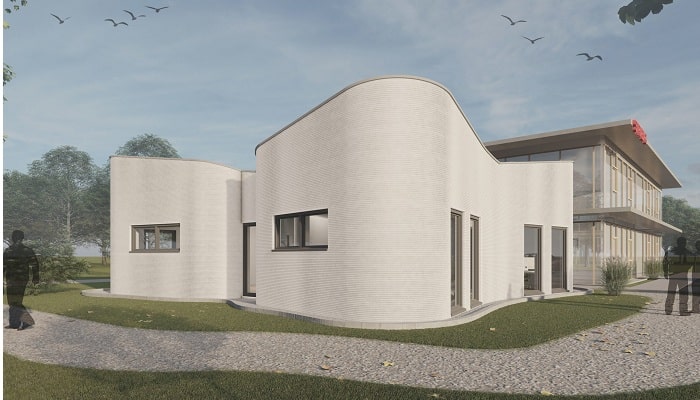
German construction manufacturer Peri and Austrian contractor Strabag have created Europe’s largest 3D-printed office space and Austria’s first 3D-printed building.

The 125 sq m building was printed in 45 hours at Strabag’s asphalt mixing plant in the northern Austrian own of Hausleiten using a dry mortar supplied by Lafarge applied by a Bod2 printer made by Danish firm Cobod.

Berthold Kren, Lafarge Austria’s chief executive, said: “Printed buildings will help to establish a new, digitally and environmentally advanced language for concrete.

“The intelligent material is convincing in its application and provides a high degree of architectural freedom in design. It allows us to build more with less.”

Klemens Haselsteinerm, a Strabag board member, added: “Concrete printing gives the construction industry an important boost of innovation and represents an exciting addition to the range of available construction methods.

“With this practical test, we want to further develop the technology of 3D concrete printing together with our partners Peri and Lafarge. The joint planning and design for Hausleiten has already yielded some important insights for the future.”


Achema Middleeast

Latest stories

Related stories

How Advanced Rigging Solutions Keep Large Construction Projects on Schedule

Large construction projects live and die by their schedules....

Facade Design Trends Influencing Urban Architecture

The rapid evolution of the building exterior is fundamentally reshaping the visual and functional identity of our cities, moving beyond static surfaces toward dynamic, responsive systems that interact with their surroundings. By embracing innovative materials and digital manufacturing processes, designers are creating high-performance envelopes that not only redefine building aesthetics but also contribute to the resilience and sustainability of the modern urban landscape.

Digital Planning Tools for Building Envelope Systems

The complexity of modern architectural skins requires a fundamental shift in how we conceive, design, and manage the outer boundaries of our structures. By leveraging advanced digital planning platforms and integrated modeling environments, the construction industry can achieve unprecedented levels of precision, ensuring that every component of the structural perimeter is optimized for performance, durability, and long-term sustainability throughout its entire operational lifecycle.

Fire Safety and Compliance in Building Openings

The protection of life and property in the built environment depends heavily on the integrity of apertures within fire-rated compartments, where every door and window must function as a reliable barrier against the spread of heat and smoke. By strictly adhering to modern fire regulations and implementing rigorously tested opening systems, architects and developers can ensure a high level of passive fire protection that safeguards occupants and facilitates a more effective response from emergency services.

Subscribe

- Never miss a story with notifications

- Gain full access to our premium content

- Browse free from any location or device.

Media Packs

Expand Your Reach With Our Customized Solutions Empowering Your Campaigns To Maximize Your Reach & Drive Real Results!

– Access the Media Pack Now

– Book a Conference Call

Leave Message for Us to Get Back

Translate »