






















The modernization of cement manufacturing facilities is increasingly driven by the implementation of sophisticated cement bagging and bulk handling systems, which are essential for maintaining high levels of efficiency and precision in the distribution of dry materials. These systems bridge the gap between large-scale production and the varied requirements of the global construction market, ensuring that cement is delivered in a consistent, safe, and cost-effective manner. From high-speed rotary bagging machines to automated silo management and pneumatic transport technologies, the integration of these systems allows producers to optimize their logistics, reduce material loss, and improve the occupational health and safety of their workforce.
Automation in Dry Material Distribution and Packaging
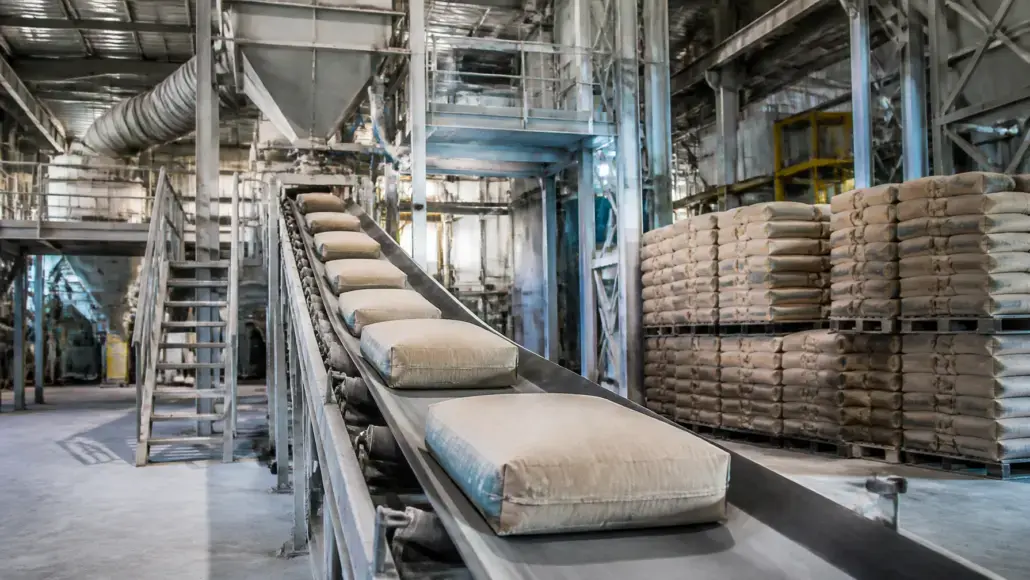
The shift toward automation in cement packaging has transformed the bagging floor from a labor-intensive environment into a streamlined, high-tech operation. Modern rotary packers are capable of filling thousands of bags per hour with incredible weight accuracy, often within a few grams of the target. These machines utilize electronic weighing systems and ultrasonic sealing technology to ensure that each bag is properly filled and securely closed, minimizing the risk of spills and contamination during transport. The automation extends to the palletizing process, where robotic arms arrange the bags in stable configurations that are then wrapped in protective film for long-distance shipping.
The mechanical design of these bulk handling systems must prioritize reliability and ease of maintenance, given the abrasive and dusty nature of cement. Pneumatic conveying systems, which use compressed air to move cement through pipelines, are widely employed for their ability to transport large volumes over long distances and through complex routes without the need for mechanical conveyors. This enclosed method of transport is not only efficient but also critical for dust containment, as it prevents the release of fine particles into the atmosphere. The choice between dilute phase and dense phase conveying depends on the specific requirements of the plant, such as the transport distance and the sensitivity of the material to degradation.
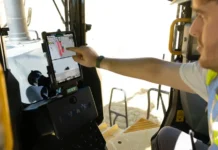
Additionally, the integration of smart sensors and real-time monitoring allows for the precise control of the flow rates and the detection of potential blockages before they cause downtime. These digital tools provide managers with a clear view of the entire distribution chain, from the discharge of the silos to the final loading of the trucks. The efficiency of these logistics operations is significantly enhanced when the facility utilizes advanced concrete batch plant recycling systems to manage the byproduct materials generated during the manufacturing process, ensuring that the plant operates at peak performance.

Precision Weighing and Bagging Technologies for Industrial Quality
In the competitive cement market, consistency in bag weight and quality is a fundamental requirement for maintaining customer trust and regulatory compliance. Modern bagging systems incorporate sophisticated load cells and control algorithms that adjust the filling speed in real-time to account for changes in material density or flow characteristics. This level of precision ensures that the producer is not losing money through overfilling, while also guaranteeing that the customer receives exactly what they paid for. The use of valve bags, which are filled through a small opening and then self-sealed, has become the industry standard due to their durability and ease of handling.
- High-speed rotary packers utilize multiple filling spouts to maximize throughput in high-volume manufacturing environments.
- Automated bag applicators eliminate the need for manual labor, reducing the risk of repetitive strain injuries and improving site safety.
- Integrated check-weighers provide a final layer of quality assurance by automatically rejecting any bags that fall outside the specified weight tolerance.
- Vacuum-assisted filling technologies are used to compact the cement within the bag, reducing the overall bag size and improving pallet stability.
The durability of the packaging itself has also seen significant advancements. Multi-wall paper bags with plastic liners or all-plastic FFS (Form-Fill-Seal) bags provide superior protection against moisture, which is the primary cause of cement degradation. This extended shelf life is particularly important for products that may be stored in humid environments or transported across different climate zones. The environmental impact of packaging is also being addressed through the use of recyclable and biodegradable materials, aligning the industry with broader sustainability goals.
Logistics Optimization and Silo Management for Construction Sites
Efficient silo management is the backbone of bulk cement distribution, ensuring that the right product is available at the right time to meet the fluctuating demands of the construction market. Modern silos are equipped with radar or ultrasonic level sensors that provide continuous data on the inventory levels, allowing for the automated scheduling of deliveries and the prevention of costly run-outs. The use of aeration systems, such as air pads or fluidizing cones, ensures that the cement remains free-flowing and does not bridge or hang up within the silo, which can be a major cause of discharge problems.
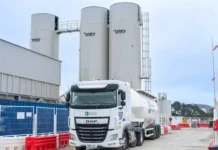
For large-scale construction projects, the logistics of bulk cement delivery are managed through a network of specialized transport vehicles and mobile storage units. Bulk handling systems on these sites must be capable of quickly unloading tankers and transferring the material to the batching plant’s storage silos. The use of telescopic loading spouts with integrated dust extraction systems allows for the clean and efficient loading of both open and closed trucks. This minimizes the time the vehicles spend at the plant and ensures a rapid turnaround, which is critical for maintaining the high-volume throughput required on major infrastructure projects.
The coordination between the manufacturing plant and the construction site is increasingly facilitated by digital logistics platforms. These systems provide real-time tracking of shipments and automated delivery notifications, allowing site managers to plan their pouring schedules with greater confidence. The ability to manage multiple grades of cement and specialized binders within the same facility requires a durable and flexible handling infrastructure that can prevent cross-contamination and ensure the integrity of each product.
Dust Mitigation and Occupational Health in Manufacturing Operations
The management of dust is one of the most significant challenges in cement manufacturing and handling, with implications for both environmental compliance and worker health. Modern bulk handling systems are designed as fully enclosed units to contain the fine cement particles within the process stream. High-efficiency dust collectors and bag filters are integrated at every transfer point, from the silo discharge to the bagging spouts, to capture any fugitive emissions and return them to the system. This not only protects the environment but also recovers valuable material that would otherwise be lost.
Occupational health and safety standards have driven the development of features such as automated bag cleaning and dust-free loading systems. These technologies minimize the exposure of workers to airborne cement dust, which can cause respiratory issues and skin irritation. Regular air quality monitoring and the use of personal protective equipment are essential components of a comprehensive safety program, but the primary focus remains on the engineering controls that prevent the dust from being released in the first place. A clean and dust-free working environment also contributes to the longevity of the mechanical and electrical equipment, reducing the frequency of maintenance and the risk of unexpected failures.
The social responsibility of cement producers extends to the communities surrounding their plants. By investing in state-of-the-art dust mitigation technology, companies can minimize their impact on local air quality and maintain positive relationships with their neighbors. The implementation of these systems is often a requirement for obtaining and maintaining operating permits in many jurisdictions. The ongoing commitment to improving the environmental performance of bulk handling operations is a key pillar of the industry’s license to operate.
Silo Management and Digital Inventory Control for Future Resilience
The integration of artificial intelligence and machine learning into silo management systems represents the next step in the digital transformation of cement logistics. These tools can analyze historical demand patterns, weather forecasts, and production schedules to optimize inventory levels and reduce the overall cost of the supply chain. Predictive maintenance algorithms can also use data from vibration and temperature sensors on conveyors and fans to identify potential mechanical failures before they occur, allowing for scheduled repairs during planned downtime.
Future technological trends also include the development of even more energy-efficient conveying systems and the use of alternative fuels for transport. The exploration of autonomous trucks for bulk cement delivery could further streamline the logistics chain and reduce the reliance on manual labor in high-risk environments. As the industry continues to evolve, the ability to adapt to new technologies and market demands will be the defining characteristic of successful cement producers. The focus on efficiency, precision, and sustainability in bulk handling and bagging operations will remain a central theme in the modernization of the global construction supply chain.
The resilience of the manufacturing process is built on the reliability of the handling infrastructure. By investing in advanced bagging and bulk handling technology, producers can ensure that their operations remain competitive in a rapidly changing global market. The commitment to innovation in this field is not only about improving the bottom line but also about creating a safer, cleaner, and more efficient industry for the future. The ongoing refinement of these systems will continue to support the growth of the construction sector and the development of the infrastructure that defines our modern world.