























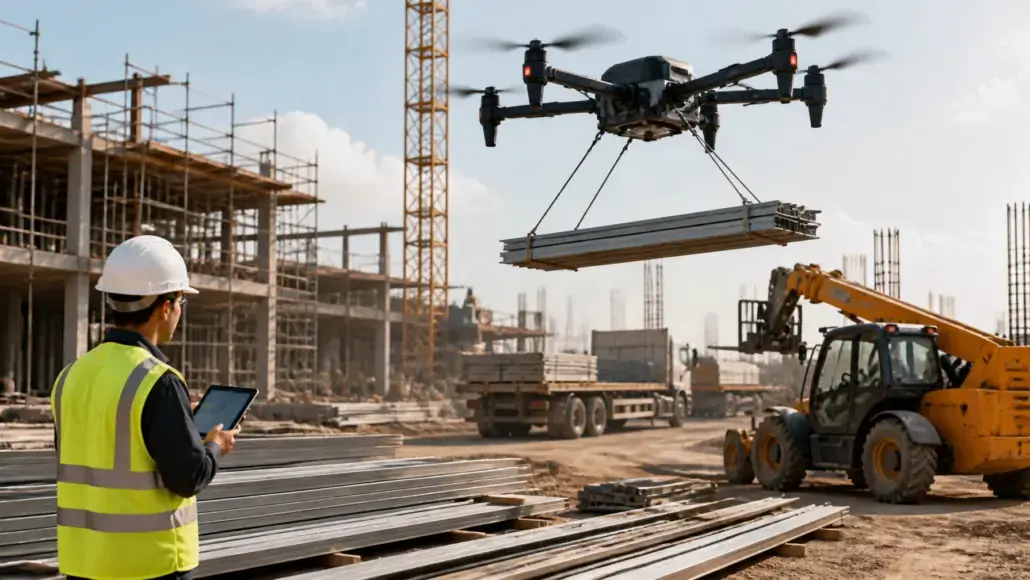


The scale and complexity of modern construction projects require a sophisticated approach to logistics that traditional manual methods can no longer support. Central to this transformation is the deployment of smart material handling systems, which are designed to optimize the movement of resources across vast and dynamic work environments. These systems utilize a combination of sensors, automation, and real-time data to ensure that materials reach their destination at the exact moment they are needed. By streamlining the internal supply chain, construction firms can significantly reduce downtime for heavy equipment and improve the overall pace of project delivery.
Efficient resource management is particularly critical in urban construction, where space is limited and delivery windows are narrow. Traditional handling methods often lead to bottlenecks, as multiple trades compete for the same lifting equipment or access routes. Smart logistics hardware mitigates these conflicts by providing a centralized, data-driven view of all logistical activities. This allows site managers to schedule movements with precision, ensuring that cranes, hoists, and transport vehicles are utilized to their maximum capacity. The resulting efficiency not only lowers operational costs but also reduces the physical footprint of material storage on-site.
While construction robotics expand automation these automated logistics units manage the logistical flow required to keep such high-tech equipment supplied. The synergy between automated manufacturing and intelligent logistics ensures that the high speed of robotic production is not hampered by delays in material arrival. By integrating material handling systems into the broader digital ecosystem of the site, contractors can achieve a level of operational synchronization that was previously impossible. This integration is essential for maintaining the momentum of large-scale infrastructure projects where every minute of equipment downtime carries a significant financial penalty.
Optimization of On-Site Logistics and Distribution
The primary objective of intelligent handling is to eliminate the “dead time” associated with waiting for materials. Manual logistics often rely on verbal communication and paper-based schedules, which are prone to delays and errors. In contrast, modern material handling systems utilize automated tracking and scheduling software to coordinate the movement of everything from steel beams to specialized components. By using Radio Frequency Identification (RFID) and Global Positioning System (GPS) sensors, these systems provide real-time visibility into the location and status of every critical asset on the site.
This visibility allows for the implementation of “just-in-time” delivery models within the construction perimeter. Instead of stockpiling materials in large staging areas, which creates clutter and safety hazards, materials are moved directly from the delivery truck to the point of use. This approach is facilitated by automated guided vehicles (AGVs) and smart cranes that can traverse complex site layouts with minimal human intervention. The precision of these systems ensures that materials are placed exactly where they are needed, reducing the need for secondary handling and the associated risk of damage.
Beyond basic coordination, the data generated by these systems provides valuable insights into the efficiency of site operations. By analyzing the flow of materials, site managers can identify recurring bottlenecks and adjust their logistical strategies accordingly. For instance, if data shows that certain lifting operations consistently take longer than expected, the system can suggest alternative routes or timing to alleviate the pressure. This continuous improvement cycle is a hallmark of modern, data-driven construction, where operational decisions are based on empirical evidence rather than intuition.
Technological Components of Intelligent Handling
The technical foundation of smart material handling systems is a multi-layered architecture of hardware and software. At the hardware level, advanced sensors and actuators allow machines to interact with their environment and handle loads with extreme precision. At the software level, sophisticated algorithms process environmental data and coordinate the activities of multiple machines to ensure a cohesive logistical flow.
Key technological elements of these systems include:
- Load-sensing systems that automatically adjust lifting parameters based on the weight and center of gravity of the material.
- Collision-avoidance sensors that detect workers and obstacles in real-time to prevent site accidents.
- Automated scheduling engines that prioritize material movements based on the critical path of the project.
- Interconnected communication networks that allow different pieces of equipment to share data and coordinate actions.
- User-friendly interfaces that provide site managers with a comprehensive overview of logistical health and status.
- Machine learning modules that optimize pathfinding for transport vehicles based on dynamic site conditions and terrain changes.
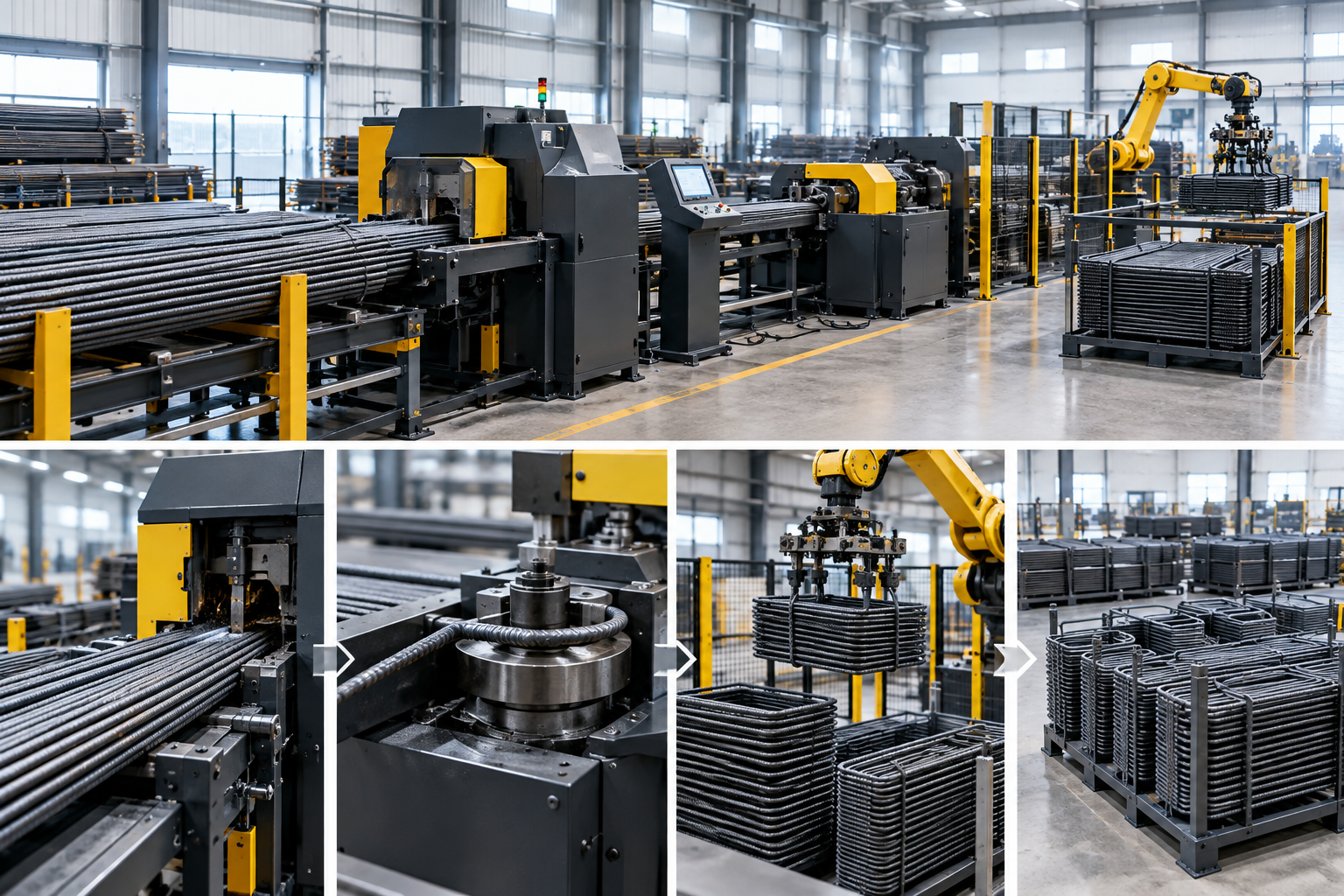
These components work together to create a resilient and responsive logistical network. For example, a smart crane equipped with intelligent load management hardware can automatically identify the most efficient path for a lift, accounting for wind speed, nearby structures, and the presence of other equipment. This automation reduces the cognitive load on operators and ensures that lifts are performed safely and efficiently every time. By standardizing these logistical tasks, firms can achieve a higher level of predictability in their daily operations, which is essential for meeting tight project deadlines.
Integration with Telematics and Fleet Management
The effectiveness of material handling systems is significantly enhanced when they are integrated with broader telematics and fleet management platforms. This integration allows for a holistic view of both the equipment’s health and its logistical performance. By monitoring engine diagnostics, fuel consumption, and hydraulic pressures in real-time, firms can ensure that their material handling fleet is always in peak condition. This proactive approach to maintenance prevents unexpected breakdowns that can bring an entire project to a standstill.
Telematics data also allows for more precise cost accounting and resource allocation. By tracking exactly how much time each piece of equipment spends on specific logistical tasks, managers can gain a better understanding of the true cost of material movement. This data is invaluable for bidding on future projects, as it allows for more accurate estimates of logistical overheads. Additionally, the integration of automated handling units with fleet management software facilitates better operator management, as it can identify areas where training may be needed to improve safety or efficiency.
The connectivity provided by these systems also enables remote monitoring and support. In the event of a technical issue, off-site technicians can access the machine’s data to diagnose the problem and provide guidance to the site team. This capability is particularly beneficial for projects in remote locations, where access to specialized technical support is limited. By minimizing the time required to resolve technical issues, integrated logistics solutions ensure that the logistical flow of the site remains uninterrupted.
Enhancing Safety and Precision in Load Management
Safety is the highest priority on any construction site, and the move toward automated handling is a major step toward reducing site risks. Manual material handling is one of the leading causes of workplace injuries, ranging from strain-related conditions to severe accidents involving falling loads. Automated handling units mitigate these risks by removing workers from the most dangerous zones and automating the most challenging lifts. The precision of robotic handling ensures that loads are moved with absolute stability, even in gusty wind conditions or uneven terrain.
Precision in load management also has a direct impact on the quality of the construction. When heavy components, such as precast concrete panels or structural steel assemblies, are moved with precise control, the risk of structural damage during installation is minimized. The use of automated leveling and positioning systems ensures that every component is placed within its specified tolerances. This accuracy reduces the need for on-site modifications and ensures that the final structure meets all engineering requirements.
In addition to physical safety, these systems provide a digital safety net through continuous monitoring. If a load exceeds the safe operating limit of a machine, or if a sensor detects an unstable condition, the system can automatically halt the operation or take corrective action. This rapid response time is far superior to human reaction, providing an extra layer of protection for both workers and assets. By fostering a culture of safety through technology, construction firms can improve their insurance profiles and enhance their reputation as responsible employers.
Future Prospects for Fully Autonomous Site Logistics
The future of the construction sector points toward a high level of logistical autonomy. As artificial intelligence and sensor technology continue to evolve, we can expect to see automated logistics hardware that is capable of fully autonomous operation across entire project lifecycles. These future systems will not only move materials but also make high-level logistical decisions, such as re-routing deliveries based on site progress or automatically ordering new resources as supplies run low.
The transition to fully autonomous logistics will be supported by the development of 5G and satellite communication networks, which provide the high-bandwidth, low-latency connectivity required for real-time robotic coordination. This will allow for the deployment of large swarms of small, autonomous transport vehicles that can work together to move massive amounts of material with extreme efficiency. The resulting reduction in the need for large, manually operated equipment will further lower the environmental impact of construction and make site operations quieter and less intrusive for surrounding communities.
Beyond operational gains, the integration of automated handling units with sustainable energy sources, such as electric drivetrains and hydrogen fuel cells, will contribute to the industry’s green transition. As construction firms strive to meet carbon-neutral targets, the electrification of the logistical fleet will be a key strategy. The efficiency of autonomous systems will also play a role in sustainability by minimizing the energy required for each material movement. The journey toward fully autonomous and sustainable site logistics is complex, but the ongoing advancements in automated logistics hardware are laying the groundwork for a more efficient and resilient future.