

























The deployment of heavy lifting machinery remains a cornerstone of large scale construction projects, where the precision of weight management directly influences site safety and project timelines. High rise developments and complex infrastructure works require a level of accuracy that traditional manual estimation cannot provide. Modern engineering standards have moved toward the adoption of sophisticated sensing equipment to monitor the physical forces acting upon cranes and hoists. This shift is driven by the necessity to prevent structural failures and to optimize the movement of materials across busy job sites. By integrating advanced sensors into the lifting apparatus, operators gain immediate visibility into the stresses placed on the equipment, allowing for proactive adjustments during critical maneuvers.
The technical foundation of these systems rests on the ability to translate mechanical force into digital data that can be analyzed in real time. This capability is essential when handling delicate components or when operating in environments where wind speeds and temperature fluctuations impact the stability of a load. The integration of load monitoring technology provides a layer of oversight that protects both the hardware and the personnel on the ground. As construction sites become more congested, the reliance on automated data collection grows, ensuring that every lift is conducted within the specified safety parameters of the machinery.
Data Integration in Tower Crane Operations
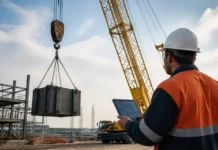
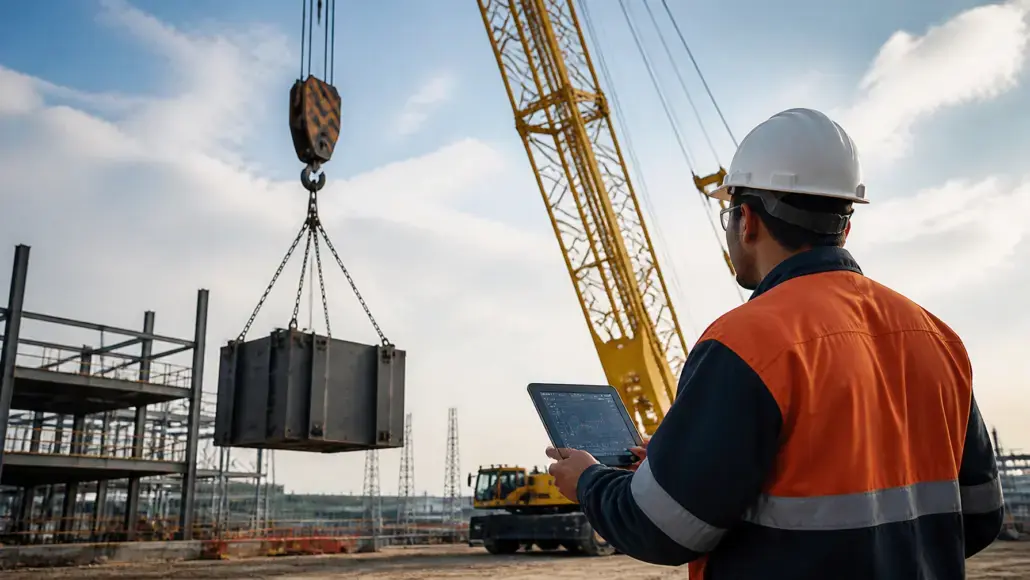
Tower cranes represent some of the most visible and critical assets on a construction site, often operating at extreme heights where environmental factors pose significant risks. The use of load monitoring technology in these machines involves the installation of tension and compression sensors that track the exact weight of the material being hoisted. These sensors are typically located at the dead end of the hoist rope or within the trolley assembly to capture accurate readings throughout the lifting cycle. The data generated is transmitted wirelessly to a central processing unit located in the operator cabin, providing a continuous display of current weights and percentages of maximum capacity.
This real time feedback is vital for preventing overloads, which are a leading cause of crane accidents in the construction industry. Beyond basic weight tracking, these systems can also monitor the radius of the load and the angle of the jib, calculating the tipping moment with high precision. When a load approaches the safe working limit, the system can trigger audible and visual alarms or even restrict certain movements to prevent the crane from entering a dangerous state. This level of automated intervention is particularly useful during blind lifts or when operators are working in low visibility conditions.
The communication infrastructure supporting these sensors has evolved to include long range telemetry that allows site managers to monitor multiple cranes from a single ground based station. This centralized view of lifting operations enables better coordination between different teams and ensures that all activities are aligned with the overall project schedule. By analyzing the data collected over time, construction firms can identify patterns in equipment usage and optimize their lifting plans to reduce idle time and improve fuel efficiency. The ability to store and review historical data also plays a critical role in post operation analysis and maintenance planning.
Mitigating Structural Stress Through Real Time Analytics
The physical integrity of lifting equipment is subject to constant wear and tear, especially when operating under heavy cycles in demanding construction environments. Continuous monitoring of load cycles allows engineers to track the cumulative stress placed on critical structural components such as the mast, jib, and slew ring. By using load monitoring technology to record the intensity and frequency of every lift, firms can implement a predictive maintenance approach that addresses potential issues before they lead to hardware failure. This data driven strategy reduces the likelihood of unplanned downtime, which can be extremely costly on high stakes projects.
Analytics platforms can process the raw data from sensors to identify anomalies that might indicate an underlying mechanical problem. For example, a sudden increase in the force required to hoist a standard weight could suggest friction in the sheaves or a problem with the hoist motor. Early detection of these signs allows maintenance teams to schedule repairs during planned breaks, rather than reacting to a breakdown in the middle of a critical operation. This proactive management of structural health extends the lifespan of the equipment and ensures that it remains compliant with international safety standards.
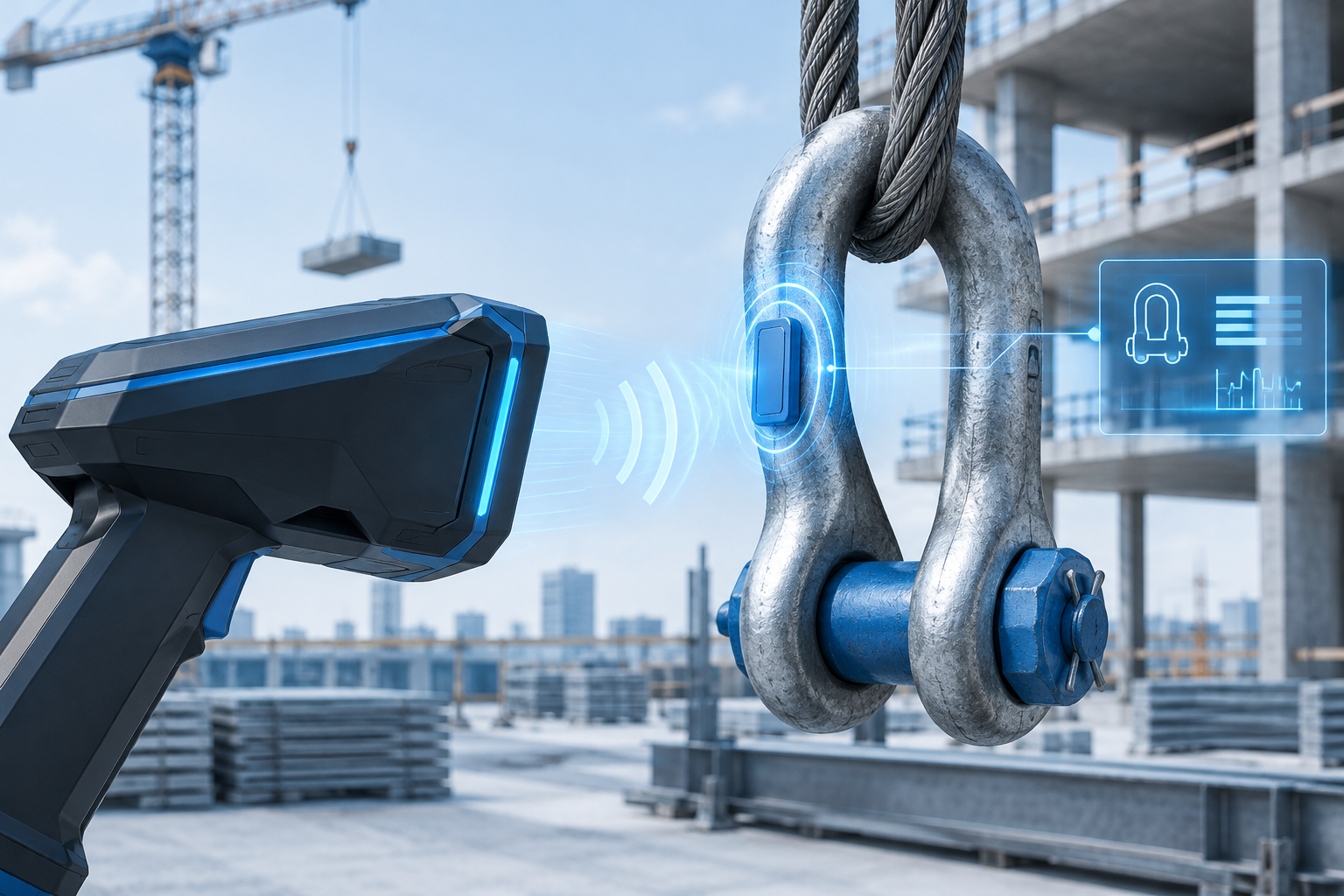
Site managers increasingly integrate these sensors with RFID tracking systems to ensure that every component is both within weight limits and properly certified. This integration allows for a more comprehensive understanding of the relationship between the load being moved and the specific attachments used, such as slings, shackles, and spreaders. By correlating weight data with specific asset records, firms can ensure that only appropriate and well maintained equipment is utilized for a given task. This holistic approach to safety management minimizes the risks associated with human error and equipment fatigue.
Enhancing Operational Efficiency in Multi Crane Environments
In modern construction, it is common for multiple cranes to operate within overlapping radii, creating a complex environment that requires careful coordination. The use of load monitoring technology in these scenarios is often combined with anti collision systems to manage the movement of loads and prevent interference between different machines. By sharing real time weight and position data between cranes, these systems can automatically slow down or stop movements if a potential conflict is detected. This automated coordination is essential for maintaining safety on sites where multiple contractors are working in close proximity.
The benefits of utilizing these advanced systems include:
- Reduced risk of contact between crane jibs and hoist ropes during simultaneous operations.
- Improved synchronization between operators when performing tandem lifts involving two or more cranes.
- Precise tracking of material movement to ensure that heavy components are delivered to the correct location at the right time.
- Enhanced ability to manage site logistics by identifying bottlenecks in lifting capacity and adjusting schedules accordingly.
- Streamlined communication between crane operators and ground crews through shared digital displays of load status.
The optimization of lifting cycles directly contributes to the overall efficiency of the construction process. When operators have confidence in the accuracy of their load data, they can perform maneuvers more quickly and with greater precision. This reduced cycle time allows for more lifts per shift, accelerating the progress of the project and helping to meet tight deadlines. In addition, the detailed logs generated by these systems provide a clear record of productivity that can be used for billing, performance reviews, and future project estimation.
Regulatory Compliance and Risk Mitigation Strategies
Compliance with safety regulations is a mandatory requirement for any construction firm, and the use of load monitoring technology is a key component of a modern compliance strategy. Regulatory bodies often require detailed records of lifting operations, including the weights of loads, the frequency of lifts, and any instances where safety limits were exceeded. Automated monitoring systems provide an objective and tamper proof record of these activities, simplifying the process of auditing and certification. This digital documentation is much more reliable than manual logs and can be easily shared with inspectors and insurance providers.
Risk mitigation in lifting operations extends beyond the prevention of immediate accidents. It also involves protecting the firm from legal liabilities and financial losses associated with equipment damage and project delays. By investing in high quality monitoring hardware, construction companies demonstrate a commitment to safety that can lead to lower insurance premiums and a stronger reputation in the industry. The ability to prove that all lifts were conducted within safe parameters provides a significant advantage in the event of a dispute or investigation.
The implementation of these technologies also fosters a culture of safety among the workforce. When operators and ground crews see that the firm is investing in advanced tools to protect them, they are more likely to follow safety protocols and report potential hazards. Training programs that incorporate the use of load monitoring data help employees understand the physical limitations of the equipment they operate, leading to more informed decision making on the job site. This human element is just as important as the technology itself in creating a safe and efficient construction environment.
Technical Specifications of Wireless Telemetry Hardware
The effectiveness of any load monitoring system depends on the reliability of the hardware components used to collect and transmit data. In the construction sector, these components must be able to withstand extreme weather conditions, vibration, and electromagnetic interference. Modern load cells are often constructed from high grade stainless steel or aviation quality aluminum, with internal electronics sealed against moisture and dust. These sensors are designed to maintain accuracy over a wide range of temperatures, ensuring consistent performance from the heat of summer to the cold of winter.
Wireless telemetry has become the standard for data transmission in lifting operations, as it eliminates the need for expensive and fragile cabling along the crane structure. These systems typically operate on dedicated radio frequencies or through secure mesh networks that provide a stable connection even in congested urban areas. The use of low power communication protocols allows sensors to operate for extended periods on internal batteries, reducing the need for frequent maintenance. Some systems also include solar charging capabilities for permanent installations on long term project sites.
The display units used in the operator cabin are designed for maximum clarity and ease of use. They often feature high contrast screens that remain readable in direct sunlight and intuitive interfaces that allow operators to access critical information quickly. Integration with other site systems, such as weather stations and GPS tracking, provides a more complete picture of the operational environment. As the technology continues to evolve, we can expect to see even greater levels of integration, with load data being fed directly into Building Information Modeling platforms to provide real time updates on the progress of the construction project.