


























The rapid urbanization of the 21st century has brought our traditional transportation systems to a breaking point. Congestion, pollution, and the sheer inefficiency of car-centric designs are forcing a fundamental rethink of how we move people and goods within our cities. In my fifteen years of observing and participating in the evolution of our built environment, I have seen the focus shift from simply building more roads to creating integrated, intelligent, and sustainable mobility networks. The future of transport infrastructure planning is now inseparable from the broader goals of smart urban planning, where the objective is to create cities that are more livable, resilient, and equitable. This transformation is driven by the convergence of digital connectivity, renewable energy, and a cultural shift toward shared and active mobility.
In the past, transport planning was often reactive, addressing bottlenecks as they occurred. Today, we are moving toward a predictive and proactive model. By leveraging big data and advanced analytics, urban planners can now understand the complex patterns of movement with unprecedented clarity. This information allows us to design infrastructure that is not just a passive conduit but an active, responsive system. Whether it is a “smart” traffic light that adjusts its timing based on real-time pedestrian demand or a multi-modal hub that seamlessly connects rail, bus, and micro-mobility, the future of our cities is being built on a foundation of data-driven intelligence.
The Shift Toward Multi-Modal Connectivity
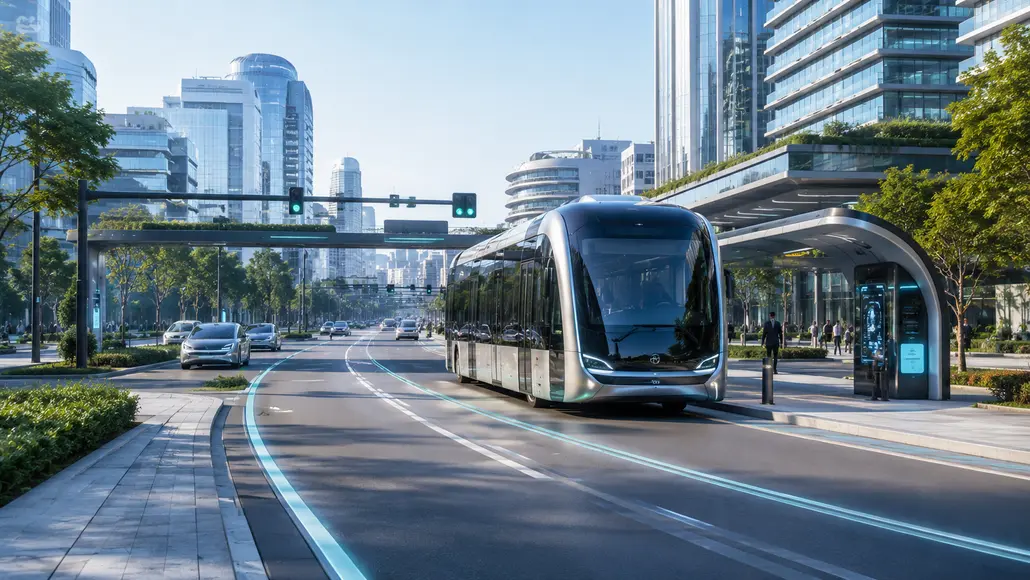
The hallmark of successful transport infrastructure planning in the modern era is the move away from the private automobile as the primary mode of travel. We are seeing a renaissance in public transit, but with a high-tech twist. Modern cities are investing in high-capacity rapid transit systems such as light rail and Bus Rapid Transit (BRT) that are integrated into the city’s digital fabric. These systems provide a level of reliability and comfort that makes them a viable alternative to driving. More importantly, they serve as the “backbone” of the city, around which other modes of transport are organized.
The Rise of Mobility-as-a-Service (MaaS)
The digital layer of our transport infrastructure is perhaps more important than the physical one. Mobility-as-a-Service (MaaS) platforms are revolutionizing how we interact with the city’s transport options. By integrating various modes public transit, ride-sharing, bike-sharing, and even car-pooling into a single user interface, MaaS makes it incredibly easy for people to choose the most efficient path for their journey. This shift toward “access over ownership” is a key trend in smart urban planning, reducing the demand for parking and freeing up valuable city space for parks, housing, and social infrastructure.
Micro-Mobility and the “Last Mile” Solution
One of the most significant challenges in transport planning has always been the “first and last mile” the gap between a transit station and a person’s final destination. The explosion of micro-mobility options, such as e-bikes and e-scooters, has provided an elegant solution to this problem. Smart urban planning now incorporates dedicated lanes and charging stations for these small-scale vehicles, ensuring they can operate safely and efficiently. By making it easy to cover those last few blocks without a car, we are significantly increasing the effective reach and utility of our high-capacity transit networks.
Designing for Resilience and Sustainability
The future of transport infrastructure is also being shaped by the urgent need for environmental sustainability. Transport is one of the largest sources of greenhouse gas emissions, and decarbonizing this sector is a top priority for smart cities. This involves not only promoting electric vehicles (EVs) but also building the infrastructure needed to support them. We are seeing the integration of high-speed charging networks into our urban fabric, often powered by onsite renewable energy. Furthermore, the use of green materials in road and bridge construction is helping to reduce the embodied carbon of the infrastructure itself.
Decarbonization and the Electric Vehicle Revolution
The transition to electric mobility is not just about changing the cars on the road; it’s about changing the infrastructure they use. Transport infrastructure planning now includes the development of “smart grids” that can manage the increased demand from EV charging without crashing the system. We are also seeing the pilot of “wireless” charging lanes, where buses and taxis can charge while they are on the move. These innovations are transforming our roads from simple paved surfaces into active components of the energy grid, a perfect example of the convergence of transport and energy in the smart city.
Active Transport and the Walkable City
Perhaps the most sustainable mode of transport is the oldest one: walking. Smart urban planning is increasingly focused on creating “15-minute cities,” where all essential services are within a short walk or bike ride from a person’s home. This involves redesigning our streets to prioritize pedestrians and cyclists over cars. By widening sidewalks, adding greenery, and implementing traffic-calming measures, we can create environments that encourage active transport. This not only reduces emissions but also improves public health and fosters a stronger sense of community.
Intelligent Infrastructure and Real-Time Management
The “smart” in smart urban planning comes from the integration of sensors and communication technology into the infrastructure itself. Intelligent Transport Systems (ITS) allow for the real-time monitoring and management of the city’s mobility networks. This data can be used to optimize traffic flow, provide real-time updates to commuters, and even prioritize emergency vehicles. As we move closer to the era of autonomous vehicles (AVs), the need for infrastructure that can “talk” to the cars becomes even more critical. The future road will be a high-tech platform that coordinates the movement of millions of individual vehicles with surgical precision.
The Role of Artificial Intelligence in Traffic Flow
Artificial Intelligence is becoming a vital tool for transport infrastructure planning. AI algorithms can analyze vast datasets including weather patterns, special events, and historical traffic data to predict and prevent congestion before it starts. This allows city managers to be more agile, deploying resources where they are most needed. For instance, an AI system could automatically increase the frequency of buses on a certain route if it detects an unusual surge in demand. This level of responsiveness is essential for managing the dynamic and complex mobility needs of a modern metropolis.
Future-Proofing Through Flexible Infrastructure
One of the greatest challenges for planners is that the technology of tomorrow is often unknown today. Therefore, future-proof transport infrastructure planning must prioritize flexibility. This means building systems that can be easily upgraded or adapted as new technologies emerge. For example, a parking garage could be designed so that it can be easily converted into housing or office space as the demand for car storage decreases. By building flexibility into our physical assets, we are ensuring that our cities can remain resilient and relevant in the face of rapid technological change.
The future of transport infrastructure in smart urban planning is a vision of a more connected, efficient, and sustainable world. By embracing multi-modal connectivity, digital intelligence, and environmental stewardship, we are creating cities that work for everyone. As we continue to innovate and push the boundaries of what is possible, we must always keep the human experience at the center of our designs. Transport is not just about moving from point A to point B; it is about connecting people to opportunities, to their communities, and to a better quality of life. The journey toward this future is just beginning, and the infrastructure we build today will be the foundation upon which the great cities of the tomorrow will stand.