













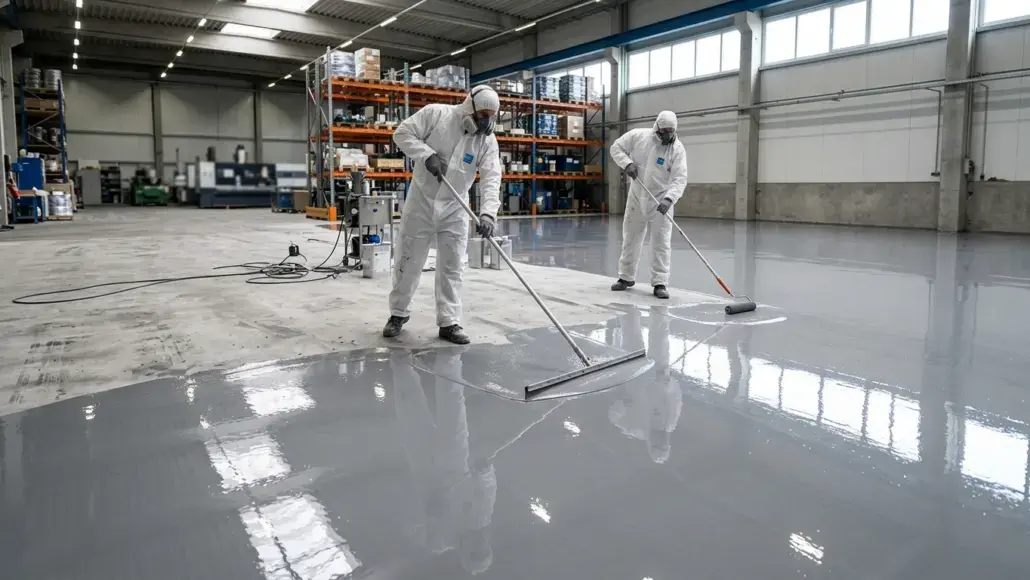


In the life of a building, the floor is the only structural element that is subjected to constant, abrasive physical contact. From the steady friction of foot traffic to the heavy loads of industrial machinery and the corrosive nature of chemical spills, the mechanical and chemical stresses on a floor are relentless. To ensure that architectural surfaces can withstand these pressures, the industry relies on the science of surface coatings floor durability. These coatings are not merely “paint” or “varnish” they are highly engineered protective layers that function as a sacrificial skin, absorbing the brunt of the environment’s hostility to preserve the structural integrity of the material below. As we demand more from our buildings higher traffic, longer lifespans, and lower maintenance costs the role of advanced surface treatment technology has become a primary factor in the success of any commercial or industrial project.
The Chemistry of Protection: Wear and Impact Resistance
At the fundamental level, surface coatings are designed to increase the hardness and scratch resistance of a floor. This is achieved through complex chemical formulations that create a dense, cross-linked molecular structure. Modern protective floor coatings often utilize polyurethanes, epoxies, and polyaspartics, each offering unique performance characteristics. Polyurethanes are prized for their flexibility and UV stability, making them ideal for areas with natural light and fluctuating temperatures. Epoxy floor coatings, on the other hand, provide extreme hardness and high-build thickness, creating a monolithic barrier that is perfect for heavy-duty industrial flooring systems. By integrating microscopic particles of aluminum oxide or ceramic, manufacturers can further enhance these coatings to provide “diamond-like” resistance to the scuffing and scraping that would otherwise quickly degrade a floor’s aesthetic and structural quality.
Chemical Protection and Hygiene Management
Beyond mechanical wear, a critical role of surface coatings floor durability is providing a barrier against chemical attack. In environments such as hospitals, laboratories, and food processing plants, floors are frequently exposed to aggressive cleaning agents, organic acids, and various industrial chemicals. Without a high-performance coating, these substances would penetrate the porous surface of concrete or stone, leading to staining, structural weakening, and the growth of harmful bacteria. Advanced surface treatment technology now includes “impenetrable” resins that are chemically inert, ensuring that spills remain on the surface where they can be easily neutralized and cleaned. This level of protection is essential for maintaining the hygiene standards required in sterile environments and for preventing the “sick building syndrome” associated with deep-seated contamination.
UV Stability and the Prevention of Aesthetic Degradation
In modern architecture, large windows and natural light are highly valued, but they pose a significant threat to floor durability. Ultraviolet (UV) radiation can cause many traditional materials and low-quality coatings to turn yellow, become brittle, and eventually peel or “chalk.” High-performance surface coatings address this through the use of UV absorbers and light stabilizers that act as a “sunscreen” for the floor. This is particularly important for resinous floors and wood finishes, where the clarity of the coating is essential for the visual appeal of the design. By maintaining their transparency and color stability over decades, these advanced coatings ensure that the floor continues to look professional and intentional, protecting the owner’s investment in the building’s aesthetic identity.
Advanced Surface Treatment Technology: The Rise of UV-Curing
One of the most significant innovations in the field of surface coatings floor durability is the development of UV-cured technology. Unlike traditional coatings that rely on the evaporation of solvents or a slow chemical reaction to dry, UV-cured coatings are “flashed” with high-intensity ultraviolet light, causing an almost instantaneous transformation from a liquid to a solid. This process creates an incredibly dense and durable finish that is far superior to air-dried alternatives. For commercial facility managers, the primary benefit of UV-curing is speed a floor can be coated and returned to full service in a matter of hours, rather than days. This reduction in downtime is a major economic driver, allowing retail spaces and offices to be renovated overnight without disrupting the next day’s business operations.
Industrial Flooring Systems and Heavy-Duty Performance
In the realm of industrial flooring systems, the requirements for coatings are at their most extreme. These floors must withstand the weight of heavy forklifts, the heat of industrial processes, and the constant vibration of machinery. High-build epoxy and urethane-mortar systems are the standard here, often applied in multiple layers to provide a total thickness of several millimeters. These coatings are engineered to have high “compressive strength,” meaning they do not crack or deform under heavy static loads. Furthermore, many industrial coatings now include anti-static (ESD) properties to protect sensitive electronic equipment and reduce the risk of explosion in hazardous environments. This level of multi-functional performance is a testament to the sophistication of modern durable construction materials.
Slip Resistance and the Integration of Aggregates
Safety is an inseparable component of floor durability. A coating that is too smooth can become a major liability when wet. Surface treatment technology addresses this by incorporating specialized aggregates such as quartz sand, glass beads, or walnut shells directly into the coating. These particles provide the necessary “grip” to meet building safety codes without compromising the protective qualities of the resin. The engineering challenge lies in ensuring that these aggregates are evenly distributed and permanently bonded within the coating so that the slip resistance does not wear away over time. This synergy between protection and safety is what makes high-performance coatings an essential component of public and commercial infrastructure.
Environmental Sustainability and Low-VOC Coatings
As the construction industry moves toward “green” building standards, the environmental impact of surface coatings floor durability has come under intense scrutiny. Traditional coatings were often high in volatile organic compounds (VOCs), which contribute to air pollution and can cause health issues for building occupants. The current trend in surface treatment technology is toward water-based, 100% solids, and bio-based formulations that provide extreme durability with minimal environmental footprint. These low-VOC coatings allow for “occupied space” renovations, where a floor can be refinished while the rest of the building remains in use. By reducing the chemical burden on the environment and improving indoor air quality, these sustainable coatings are helping to create healthier and more resilient built environments.
Lifecycle Cost Analysis and the Value of Durability
When selecting durable construction materials, it is essential to look beyond the initial cost of the coating to the “total cost of ownership.” A high-quality surface coating may be more expensive upfront, but its ability to extend the life of the floor and reduce maintenance requirements provides a significant return on investment. By preventing the need for frequent “strip and wax” cycles or premature floor replacement, advanced coatings save thousands of dollars in labor and material costs over the life of a building. Furthermore, the ability of a coating to be easily “refreshed” where a new topcoat is applied over the existing one without total removal further enhances the sustainability and economic value of the system. This focus on long-term performance is what defines the modern approach to facility management.
Conclusion: The Invisible Shield of Architecture
The true measure of a building’s quality is often found in the things that remain unchanged over time. A floor that maintains its brilliance, safety, and structural integrity after years of heavy use is a testament to the power of surface coatings floor durability. Through the continuous innovation in polymer chemistry and application technology, the industry is providing architects and facility managers with an “invisible shield” that protects our urban environments from the wear and tear of daily life. As we continue to push for more sustainable and efficient buildings, the science of surface coatings will remain at the forefront, ensuring that the foundations of our society are as durable as the visions that created them.