
























The global imperative to mitigate climate change has cast a spotlight on the construction industry, which is responsible for a significant portion of worldwide greenhouse gas emissions. A major contributor to this environmental impact is embodied carbon the emissions associated with the extraction, processing, and transportation of building materials before they even reach the construction site. As the world moves toward more ambitious environmental targets, the adoption of low-carbon construction materials sustainable infrastructure is no longer a niche preference but a fundamental requirement for the viability of future projects. By reimagining the fundamental components of our built environment from the binders in our concrete to the alloys in our steel the industry can build a foundation that supports both human progress and ecological balance.
The Evolution of Green Concrete Technology and Alternative Binders
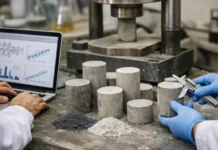
Concrete is the most widely used man-made material on Earth, yet its production is notoriously carbon-intensive, primarily due to the chemical process required to create Portland cement. To address this, green concrete technology has emerged as a cornerstone of sustainable infrastructure development. One of the most effective strategies for carbon reduction in construction is the replacement of traditional clinker with supplementary cementitious materials (SCMs). Industrial by-products such as fly ash from power plants and ground granulated blast-furnace slag (GGBS) from steel manufacturing are being repurposed as effective binders. These materials not only reduce the need for energy-intensive cement production but often enhance the long-term durability and chemical resistance of the resulting structure, demonstrating that sustainability and performance can go hand-in-hand.
In addition to using industrial by-products, researchers are pioneering the use of alternative construction binders that rely on completely different chemical reactions. Geopolymer cements, for instance, use alkaline activators to bond materials like calcined clay or volcanic ash, resulting in a product with a fraction of the carbon footprint of traditional concrete. Some innovative companies are even exploring carbon sequestration technologies, where carbon dioxide is injected into the concrete during the mixing process. This not only permanently stores the gas but also reacts with the minerals to create a denser, stronger material. Such net-zero construction solutions are transforming concrete from a major emitter into a potential carbon sink, redefining its role in the global ecosystem.
Recycled Steel and the Role of Metals in Net-Zero Construction
While concrete forms the backbone of infrastructure, steel provides the essential strength and flexibility needed for skyscrapers, bridges, and industrial facilities. The traditional blast furnace-basic oxygen furnace (BF-BOF) route for steel production is heavily dependent on coal and is a major source of carbon dioxide. However, the rise of recycled steel construction via the electric arc furnace (EAF) method offers a much cleaner alternative. By using scrap metal as the primary feedstock and powering the process with renewable energy, the industry can achieve a dramatic reduction in emissions. This shift is a key driver in the push for low-carbon building materials, as it allows for the high-performance properties of steel to be maintained while significantly lowering its environmental price tag.
Furthermore, the industry is exploring “green steel” produced using hydrogen instead of carbon-based reducing agents. This technology, although still in the early stages of commercial scaling, has the potential to eliminate nearly all direct emissions from the steelmaking process. For sustainable infrastructure development, the availability of carbon-neutral steel is a game-changer, enabling the construction of massive projects without the associated carbon debt. As the global supply of high-quality scrap metal grows and renewable energy becomes more abundant, the economic and environmental case for recycled and low-carbon metals will continue to strengthen, making them indispensable to the modern builder’s toolkit.
Advancements in Bio-Based and Eco-Friendly Construction Materials
Beyond the traditional heavyweights of concrete and steel, there is a growing interest in bio-based and eco-friendly construction materials that naturally store carbon. Mass timber, such as cross-laminated timber (CLT), is gaining traction as a viable alternative for mid-rise and even high-rise buildings. Trees absorb carbon dioxide as they grow, and when used in construction, that carbon is sequestered within the building’s structure for the duration of its life. Beyond its environmental benefits, timber offers the advantage of being lightweight and highly conducive to off-site prefabrication, which can further lead to emission reduction construction by minimizing transport and on-site machinery use.
Other innovative materials include hempcrete, a mixture of hemp shiv and lime that provides excellent thermal insulation and moisture regulation. Mycelium-based materials, grown from fungal spores and agricultural waste, are being used for acoustic panels and insulation, offering a completely biodegradable and carbon-negative alternative to synthetic foams. These sustainable building materials represent a shift toward a more organic approach to construction, where the built environment is seen as an extension of the natural world rather than a replacement for it. By diversifying the palette of materials available to architects and engineers, the industry can create more resilient and health-conscious spaces.
The Systemic Impact on Sustainable Infrastructure Development
The adoption of low-carbon building materials has implications that extend far beyond individual projects it is a catalyst for systemic change across the entire infrastructure sector. When large-scale public works such as transit hubs, bridges, and energy facilities prioritize low-carbon construction materials sustainable infrastructure, they create a reliable demand that encourages manufacturers to invest in new technologies. This economies-of-scale effect drives down the cost of green alternatives, eventually making them accessible to smaller residential and commercial developers.
Moreover, the integration of these materials requires a more collaborative approach to project management. Lifecycle Assessment (LCA) tools are now being used during the procurement phase to evaluate the environmental impact of materials from cradle to grave. This data-driven approach allows decision-makers to weigh the carbon benefits against cost and performance, leading to more informed and transparent outcomes. As governments worldwide implement stricter carbon reporting requirements for infrastructure projects, the ability to accurately measure and reduce embodied carbon will become a critical competitive advantage for firms operating in the global market.
Conclusion: A New Era of Environmental Responsibility
The transition to a low-carbon built environment is one of the most significant challenges and opportunities of the 21st century. By embracing low-carbon construction materials sustainable infrastructure, the industry is demonstrating its capacity for innovation and its commitment to a greener future. The journey from carbon-intensive traditional methods to net-zero construction solutions is already underway, driven by a combination of technological breakthroughs, regulatory pressure, and a growing societal demand for sustainable development. As we continue to refine our materials and our methods, we are building more than just structures we are building a legacy of resilience and responsibility for the generations to come.