


























One Bangkok, Thailand’s first fully integrated district, has set a benchmark for sustainability and urban innovation as the country’s pioneer site to obtain the LEED-Neighborhood Development Platinum certification. This accolade reflects the district’s steadfast commitment to sustainable design, smart-city principles, and community-oriented living, all rooted in its core values of People Centricity, Sustainability, and Smart City integration. Designed as a vibrant mixed-use development, One Bangkok seamlessly integrates retail, commercial, residential, and hospitality, fostering a dynamic and diverse community. With 50% of the project area dedicated to green, open spaces, and tree-lined sidewalks designed to enhance walkability, One Bangkok exemplifies a forward-thinking approach to creating a healthy, refreshed, and more connected urban environment.
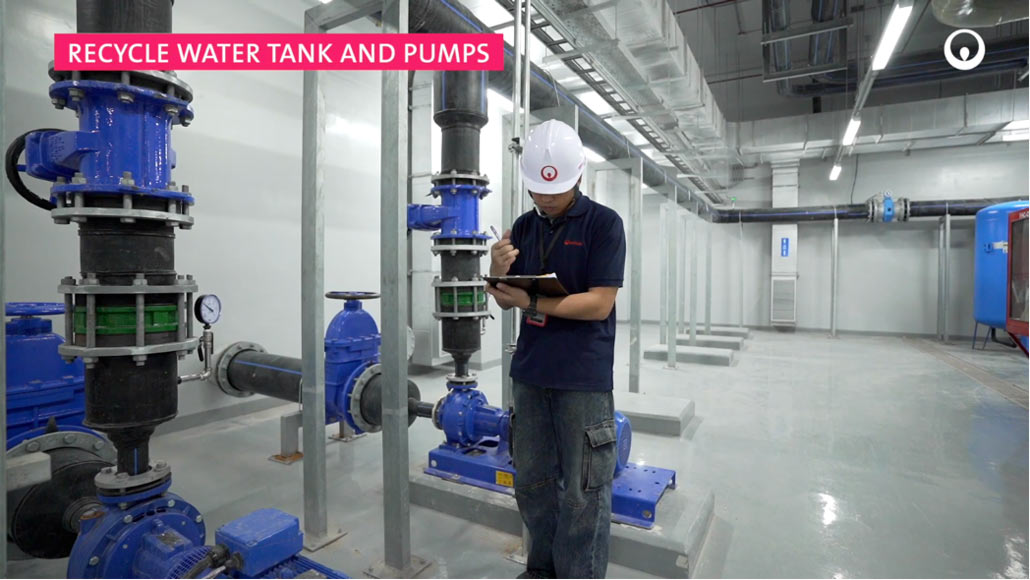
At the heart of the developer’s vision lies a robust focus on efficient resource use and ecological preservation. Partnering with Veolia Water Technologies, One Bangkok implemented advanced water and wastewater management solutions to achieve a set of ambitious sustainability goals. This partnership reflects the district’s mission to reduce its ecological footprint and operate responsibly while providing a vibrant, people-centric community.
Addressing Water Sustainability Challenges
Sustainability has been a guiding principle for One Bangkok since its inception, informing every aspect of its master plan, development, and operations. With resource efficiency in mind at the planning stage, the Veolia team developed a centralized water management system that prioritizes reuse and recycling. One major challenge was treating and reusing wastewater from every building while harvesting rainwater to expand recycled water capacity, minimize reliance on potable water, and enable a significant reduction in overall water consumption.
Solutions Designed for Maximum Efficiency
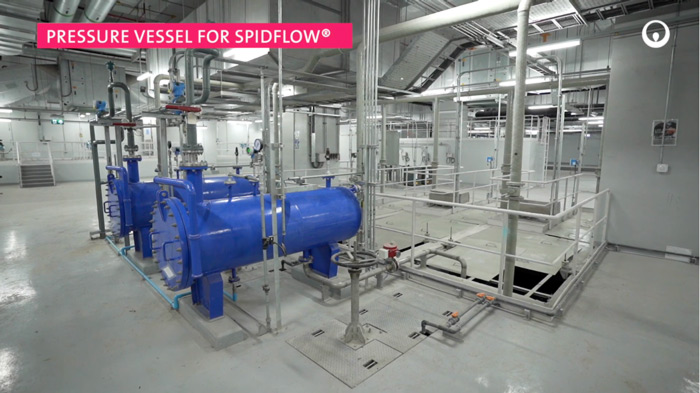
Veolia rose to the challenge by designing an integrated water treatment system tailored to meet One Bangkok’s objectives for water recycling and efficiency. Spidflow®, a cutting-edge high-rate clarification process, makes its debut in the Asia-Pacific region as a cornerstone of One Bangkok’s water management system. This innovative technology offers flexibility and responsiveness to variations in the quality of water to be treated, making it essential for a project of this scale and complexity. The versatility of this solution enables efficient clarification across a spectrum of water types, encompassing drinking water, process water, and both municipal and industrial wastewater. With Spidflow®, Veolia provides One Bangkok with a sophisticated yet sustainable solution to manage complex water needs, demonstrating scalability and the potential for wider adoption in urban environments across the region.
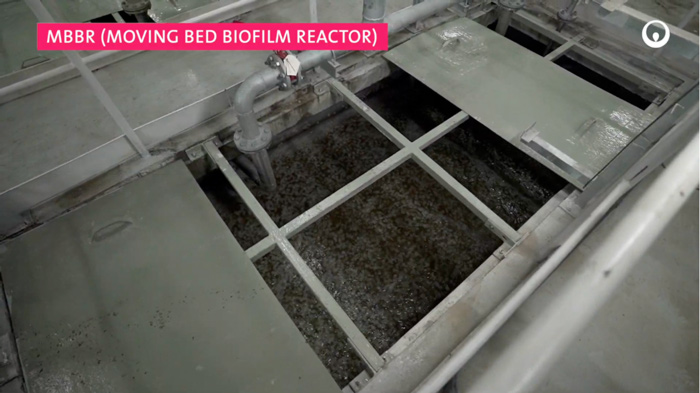
Furthermore, by combining Spidflow® with the AnoxKaldnes® Moving Bed Biofilm Reactor (MBBR), a biological treatment technology, Veolia offers a comprehensive approach that ensures pollutant removal. Using biofilm carriers suspended in wastewater, the MBBR offers stable and efficient treatment, and a commitment to exceeding stringent sustainability standards, positioning One Bangkok at the forefront of environmentally responsible urban development.
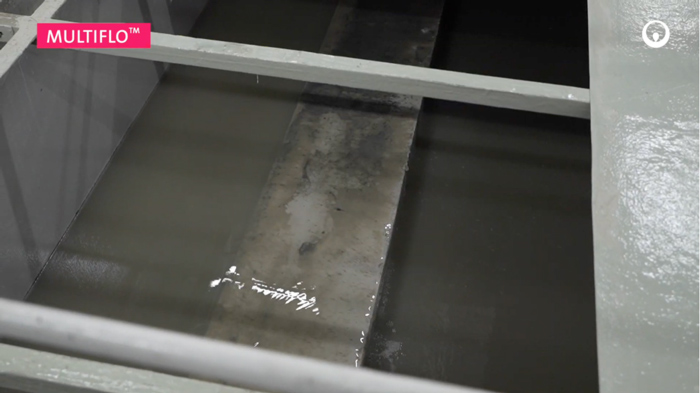
At the core of One Bangkok’s water management system lies the Multiflo™ clarification process, combining coagulation, flocculation, and counter-current lamella settling into one compact and high-performance solution. This multi-stage process was thoughtfully designed to address the challenges of tomorrow, effectively treating both stormwater and tertiary wastewater for the district. Its adaptability and compact footprint proved fitting for One Bangkok’s urban setting, where space constraints necessitate innovative and forward-thinking solutions.
Together, Veolia’s integrated technologies empower the reuse of 1,200 to 1,500 m³ of water daily—equivalent to half an Olympic swimming pool. When operating at full capacity, this system will treat and recycle a volume comparable to four Olympic swimming pools, or approximately 10,000 m³ of water, substantially decreasing water consumption and supporting One Bangkok’s bold environmental targets.
Smart monitoring technologies are seamlessly integrated across the water system to ensure optimal performance. Leveraging real-time data, the system supports robust, data-driven water management, and enables continuous monitoring for adjustments as needed. This proactive approach also facilitates predictive maintenance, enhancing operational efficiency, and minimizing long-term costs. These efforts support One Bangkok’s overarching “Reuse and Recycle” practice, contributing to a projected annual savings of 3.7 million m³ of potable water—enough to supply more than 11,000 urban households for an entire year[1].
With Veolia’s tailored solutions and support, One Bangkok is setting a precedent for future-ready urban development. At full operational capacity, its systems will enable the district to recycle 75% of wastewater for non-potable applications.
A Model of Sustainability for Urban Spaces
One Bangkok’s holistic sustainability strategy encompasses advanced water management, energy efficiency, and wellness-focused design. At its core, an innovative district cooling system works in tandem with a state-of-the-art command center, operating around the clock. This centralized infrastructure highlights the power of technology to enhance both operational efficiency and environmental stewardship.
In alignment with Veolia’s GreenUp strategic program—which focuses on ecological transformation through innovative solutions that depollute, decarbonize, and regenerate resources—the One Bangkok project demonstrates the transformative potential of advanced water treatment technologies in urban developments. By implementing tailored solutions with well-harmonized technologies, Veolia’s partnership with One Bangkok has achieved significant milestones in water recycling and resource optimization. Beyond setting a new benchmark, the collaboration serves to foster resilient communities and offers a blueprint for future-ready urban spaces, inspiring the creation of smarter, greener cities.