




















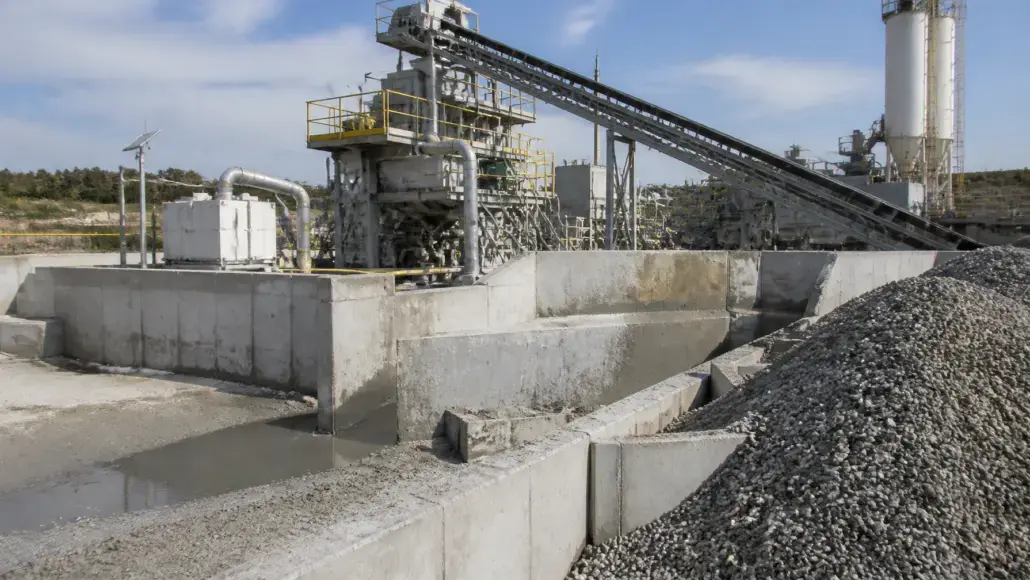

The adoption of comprehensive concrete batch plant recycling systems has become an essential strategy for ready-mix producers seeking to optimize material recovery and comply with increasingly stringent environmental regulations. As the construction industry moves toward a more circular economy, the ability to process return concrete and washout water on-site provides significant economic and operational advantages. These systems are designed to separate waste concrete into its constituent parts: coarse aggregate, sand, and cementitious water. By reclaiming these materials, plants can reduce their reliance on virgin resources, lower their waste disposal costs, and minimize the environmental footprint of their manufacturing operations.
Mechanical Components and Engineering of Material Recovery Systems
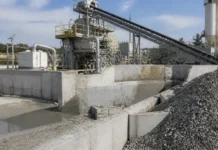
The heart of a modern recycling installation at a concrete plant is the mechanical separator, which typically utilizes a screw or drum-type mechanism to wash and sort the waste concrete. When a mixer truck returns with leftover concrete or requires a washout, the material is discharged into a receiving hopper where high-pressure water jets begin the separation process. The mechanical action of the separator agitates the concrete, stripping the cement paste from the surfaces of the aggregate and sand. The coarse materials are then elevated and dewatered, resulting in a product that can be stockpiled and reintegrated into new concrete mixes as a percentage of the total aggregate volume.
The engineering of these separators must account for the highly abrasive nature of concrete and the varying volumes of waste throughout a typical production day. High-strength, wear-resistant steel and replaceable liners are standard features that ensure the longevity of the equipment. Additionally, the integration of batch plant recycling systems into the existing plant layout requires careful planning of the water flow and material handling logistics. Automated controls allow the recycling unit to operate in sync with the batching cycle, ensuring that the recovery process does not cause bottlenecks in the loading of trucks. The efficiency of these material recovery operations is often integrated with modern bulk handling systems that manage the movement of both raw and recycled aggregates across the facility, ensuring a continuous flow of materials.
Advanced systems also incorporate magnetic separators to remove any steel fibers or rebar fragments that may be present in the waste concrete. This ensures that the reclaimed aggregate meets the quality standards required for use in structural concrete. The precision of the separation process is critical, as any residual cement film on the recovered aggregate can affect the water demand and bonding characteristics of the new mix. Regular maintenance and calibration of the recycling equipment are necessary to maintain the high quality of the recovered materials and prevent mechanical failures.
Water Treatment and the Strategic Reuse of Greywater
Water management is a primary driver for the installation of batch plant recycling technology, as the production of concrete is a water-intensive process that generates large volumes of high-pH wastewater. In a closed-loop system, the water used to wash the aggregate and the trucks is collected in a series of settling pits or agitator tanks. These tanks keep the fine cement particles in suspension, preventing them from hardening and allowing the water to be pumped back into the batching process as greywater. This reduces the plant’s consumption of fresh water and eliminates the need for expensive wastewater discharge permits.
The chemical balance of this recycled water is a critical consideration for mix designers. The presence of suspended cement fines and dissolved minerals can influence the setting time and chemical effectiveness of admixtures. To manage this, many plants utilize automated monitoring systems that measure the density and pH of the recycled water in real-time. This data is then used by the batching software to adjust the mix proportions, ensuring that the final product meets the specified performance criteria regardless of the water source. Some advanced facilities also employ CO2 neutralization systems to lower the pH of the water, making it easier to handle and reducing its impact on sensitive chemical reactions.
- Closed-loop water systems significantly reduce the environmental impact by preventing the discharge of caustic wastewater into local sewers or watercourses.
- Automated density monitoring ensures that the concentration of cement fines in the greywater is consistently managed within acceptable limits.
- Filter presses are often used to dewater the residual cement slurry, creating a solid cake that can be easily transported or repurposed for other industrial applications.
- The reduction in fresh water costs provides a direct economic incentive for the implementation of high-efficiency recycling technologies.
The strategic reuse of water not only supports sustainability goals but also provides a buffer against water shortages and rising utility costs. In regions where water is a scarce resource, the ability to recycle and reuse every gallon is a major competitive advantage. The long-term durability of the recycling infrastructure is supported by the use of corrosion-resistant pumps and piping systems designed to handle the abrasive and alkaline nature of the process water.
Economic Incentives and Operational Efficiency in Production
Beyond environmental compliance, the primary motivation for investing in batch plant recycling is the significant reduction in operating costs. The cost of disposing of waste concrete at a landfill can be substantial, especially in urban areas where disposal sites are limited and tipping fees are high. By recycling the material on-site, plants can eliminate these costs entirely. Additionally, the reclaimed aggregate and sand represent a direct saving on the purchase of raw materials. Depending on the volume of waste processed, a well-designed recycling system can pay for itself within a few years of operation.
Operational efficiency is also enhanced through the reduction of downtime associated with cleaning and maintaining the yard. Without an effective recycling system, waste concrete often accumulates in washout pits that must be periodically excavated and hauled away. This process is disruptive to the plant’s logistics and can lead to safety hazards in the yard. An automated recycling unit provides a clean and organized method for managing waste, allowing the plant to operate more smoothly and with fewer labor-intensive tasks. The integration of digital tracking allows managers to monitor the volume of recycled material and calculate the exact savings achieved each month.
The reliability of modern recycling systems has improved significantly, with many units now capable of operating with minimal human intervention. Sensors detect the arrival of a truck and automatically start the washing cycle, while remote monitoring allows for the early detection of mechanical issues. This level of automation is particularly valuable for plants operating in multiple shifts, as it ensures that the recycling capacity is always available when needed. The data generated by these systems can also be used to identify opportunities for further process optimization, such as reducing the initial volume of waste generated through better production planning.
Compliance with Environmental Regulations and Sustainability Standards
Regulatory pressure is a powerful catalyst for the adoption of recycling technology in the concrete industry. Environmental agencies are increasingly focused on the management of high-pH wastewater and the reduction of solid waste from construction activities. Plants that fail to meet these standards face heavy fines and potential closures. By implementing batch plant recycling systems, producers can demonstrate a proactive approach to environmental stewardship and ensure long-term compliance with local and national regulations. This is particularly important for plants located near residential areas or sensitive ecological zones where the impact of industrial operations is closely scrutinized.
Sustainability certifications, such as LEED or BREEAM, also place a high value on the use of recycled materials and the reduction of water consumption in the supply chain. Contractors and developers are increasingly seeking out suppliers who can provide concrete with a lower environmental impact. Being able to document the percentage of recycled aggregate and the volume of water saved through on-site recycling can help ready-mix producers win contracts on high-profile green building projects. This market differentiation is becoming more important as the industry moves toward mandatory carbon reporting and life-cycle assessments for building materials.
The long-term viability of the concrete industry depends on its ability to adapt to a resource-constrained world. Recycling systems represent a mature and proven technology that addresses the key challenges of waste management and resource conservation. By transforming a waste stream into a valuable resource, these systems embody the principles of sustainable manufacturing. The ongoing development of even more efficient separation techniques and water treatment technologies will continue to drive the evolution of the batch plant of the future, where zero-waste operations become the industry standard.
Integration of Digital Monitoring and Future Technological Trends
The next evolution of batch plant recycling involves the full integration of the recycling process into the plant’s digital ecosystem. Internet of Things (IoT) sensors can provide continuous data on the performance of the mechanical separators, the quality of the recovered water, and the volume of recycled materials in the stockpiles. This data can be analyzed to predict maintenance needs and optimize the batching proportions in real-time. The use of artificial intelligence to optimize the washing cycle based on the specific characteristics of the return concrete could further improve the efficiency of the recovery process.
Future trends may also include the development of mobile recycling units that can be deployed to temporary batching plants at large construction sites. This would allow for the immediate processing of waste concrete on-site, further reducing the transportation costs and environmental impact associated with hauling waste to a central facility. Additionally, the exploration of new uses for the residual cement slurry, such as in the production of low-strength flowable fill or as a raw material for other manufacturing processes, could lead to a truly zero-waste concrete production cycle.
The commitment to continuous improvement in recycling technology reflects the broader industry’s recognition of the need for more efficient and sustainable production methods. As the cost of raw materials and waste disposal continues to rise, the economic case for batch plant recycling will only become stronger. The integration of these systems is not just a matter of environmental responsibility but a strategic imperative for the long-term profitability and resilience of the concrete industry. By investing in advanced recovery technology today, ready-mix producers are positioning themselves for success in an increasingly competitive and regulated marketplace.