

























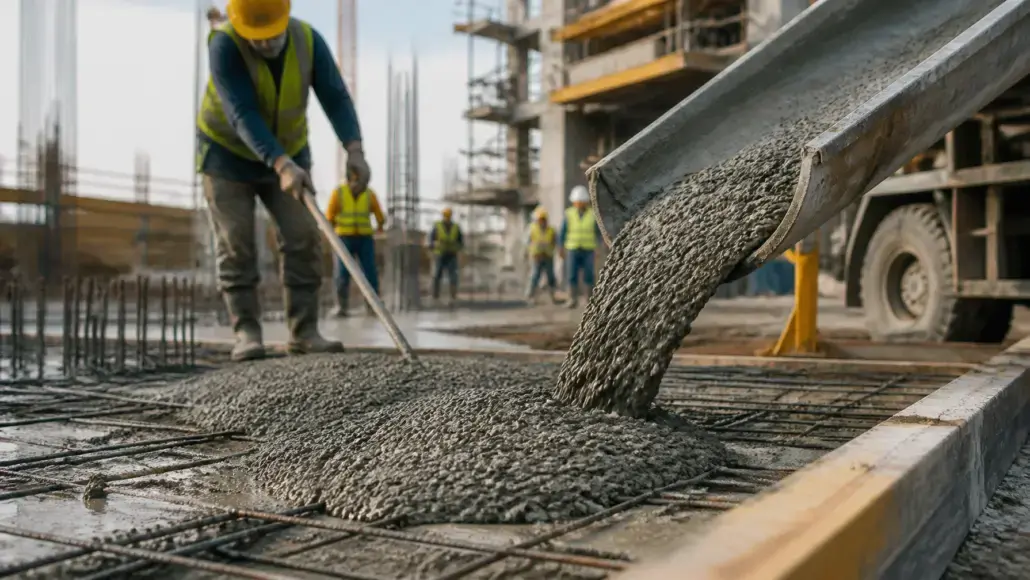

The evolution of modern construction materials is inextricably linked to the development of advanced concrete admixtures, which allow engineers to tailor the properties of concrete to meet increasingly demanding performance criteria. These chemical additives are incorporated into the mix during the batching process to modify the behavior of the concrete in both its plastic and hardened states. From enhancing workability and extending setting times to significantly increasing final compressive strength and durability, the strategic use of concrete admixtures has become a cornerstone of high-performance mix design. The ability to manipulate the molecular interactions within the cementitious matrix enables the creation of structures that are more resilient, sustainable, and architecturally ambitious.
Chemical Mechanisms and Molecular Dynamics of Modern Admixtures
To understand the impact of concrete admixtures, one must examine the chemical mechanisms that occur at the microscopic level during the hydration of cement. Surface-active agents, such as superplasticizers or high-range water reducers, work by neutralizing the electrical charges on the surface of cement particles. This creates a repulsive force that prevents the particles from flocculating, thereby releasing trapped water and increasing the fluidity of the mix without the need for additional water. This reduction in the water-to-cement ratio is critical for achieving high strength and low permeability, as it results in a denser capillary structure within the hardened concrete.
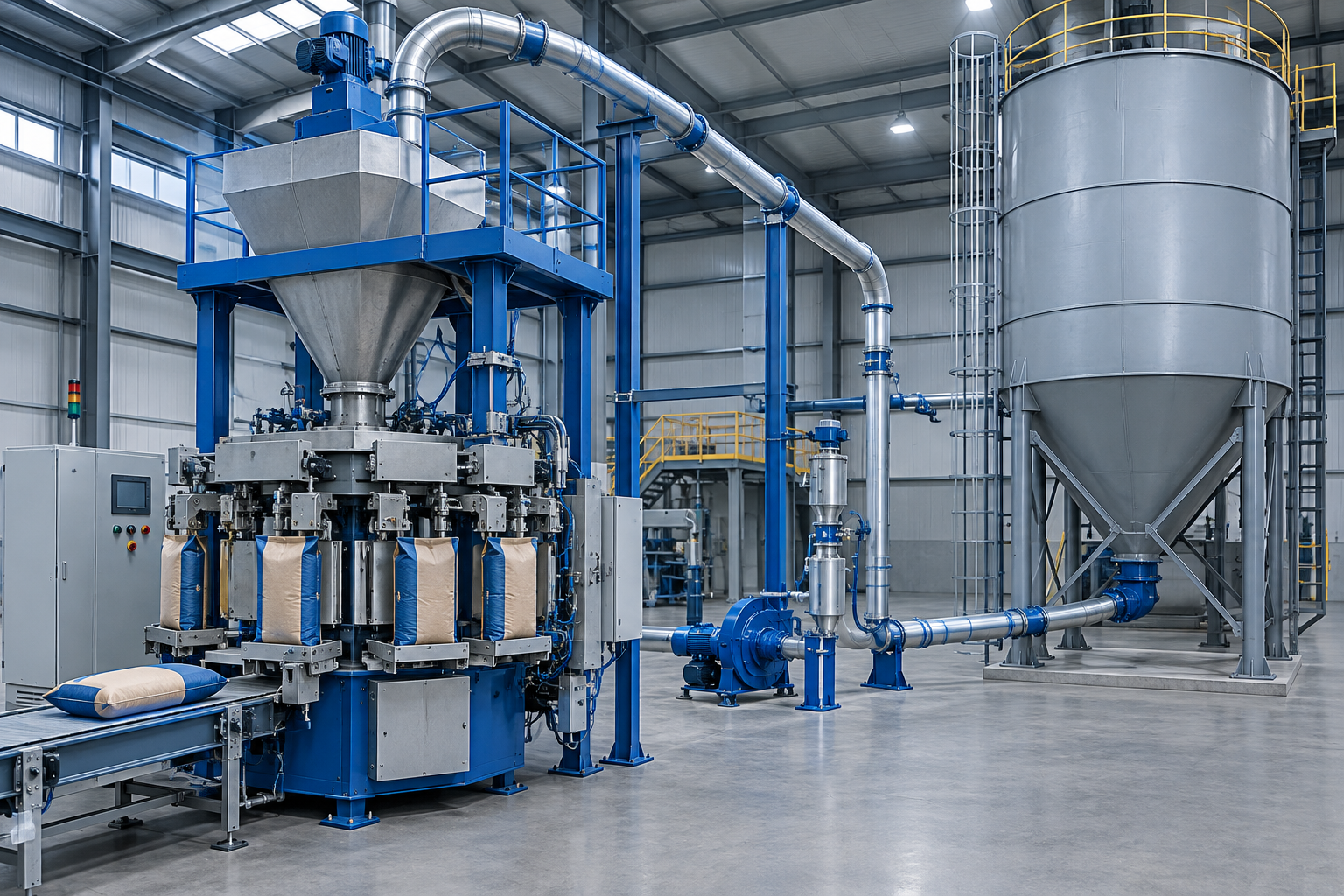
Other categories of admixtures, such as accelerators and retarders, focus on controlling the rate of chemical reactions. Accelerators are used in cold weather applications or when early strength gain is required for rapid formwork removal, while retarders are essential for maintaining workability in hot climates or during long transport distances. The precision with which these chemicals are dosed is paramount, as even minor deviations can lead to significant changes in the setting characteristics and long-term performance of the concrete. Modern batching systems utilize automated dispensing equipment to ensure that each batch meets the exact specifications of the design, minimizing the risk of variability in the field.
Additionally, air-entraining agents are utilized to improve the freeze-thaw resistance of concrete by creating a system of microscopic air bubbles. These bubbles act as expansion chambers for water that freezes within the concrete, preventing the internal pressure from causing cracking and scaling. The synergy between different types of admixtures is a key area of focus for mix designers, as the compatibility between various chemical formulations must be carefully managed to avoid adverse reactions that could compromise the integrity of the structure.
Optimizing Rheology for Complex Pouring and Pumping Operations
The rheological properties of concrete, including its flowability and resistance to segregation, are critical for successful placement in congested reinforcement or tall structures. Concrete admixtures, particularly viscosity-modifying agents (VMAs), are used to stabilize the mix and ensure that the aggregate remains evenly distributed throughout the mortar phase. This is especially important for self-consolidating concrete (SCC), which must be able to flow under its own weight and fill every corner of the formwork without the need for external vibration.
In high-rise construction, the ability to pump concrete to heights exceeding several hundred meters depends heavily on the use of specialized admixtures that reduce friction within the pipeline. By creating a lubricating layer along the inner surface of the pump line, these chemicals allow for consistent delivery rates and prevent blockages that can be costly and dangerous to clear. The development of polycarboxylate-based superplasticizers has been a breakthrough in this regard, offering superior slump retention and high-water reduction capabilities that were unattainable with older naphthalene-based technologies.
- Superplasticizers significantly improve the flow of concrete without compromising its structural stability or leading to excessive bleeding.
- Viscosity-modifiers prevent the settlement of large aggregates, ensuring a uniform finish and consistent structural properties across the entire pour.
- Shrinkage-reducing admixtures (SRAs) address the volume changes that occur during the drying process, minimizing the risk of surface cracking in large slabs.
- Corrosion inhibitors are added to protect embedded steel reinforcement in environments where chloride ingress is a major concern.
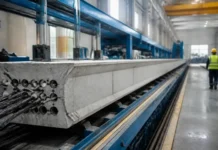
The optimization of these properties allows for more efficient construction schedules, as the concrete can be placed more quickly and with less labor. The structural performance of these tendons is often enhanced when paired with the right application of post-tensioning systems that work in tandem with high-strength mixes, ensuring that the internal stresses are managed as effectively as the material properties themselves.
Enhancement of Compressive and Tensile Strength through Mix Modification
The primary goal of many high-performance mixes is to achieve exceptional compressive strength, often exceeding 100 MPa. This is made possible by the dramatic reduction in water content facilitated by high-range water-reducing concrete admixtures. By minimizing the void space created by excess water, the resulting concrete is not only stronger but also significantly more durable against environmental stressors. The integration of silica fume and other pozzolanic materials, when combined with the appropriate chemical dispersants, creates a secondary hydration reaction that further densifies the matrix.
Tensile strength and ductility are also areas where admixtures are making significant contributions. Macro-synthetic and steel fibers, while technically reinforcements, are often managed as admixtures during the batching process. When used in conjunction with specialized chemicals that ensure a strong bond between the fiber and the cement paste, these materials can significantly improve the post-cracking performance of the concrete. This is particularly valuable in industrial flooring, shotcrete for tunnel linings, and seismic-resistant elements where energy dissipation is a critical design requirement.
The analytical approach to mix design now involves sophisticated software that models the interactions between cement chemistry, aggregate grading, and admixture performance. This allows engineers to predict the long-term behavior of the concrete under specific environmental conditions, such as sulfate attack or alkali-silica reaction (ASR). By incorporating ASR inhibitors and sulfate-resisting admixtures, the service life of critical infrastructure can be extended by decades, providing a substantial return on investment for project owners.
Sustainability Gains and Environmental Impact through Chemical Innovation
The construction industry is under increasing pressure to reduce its carbon footprint, and concrete admixtures are playing a vital role in this transition. By enabling the use of higher percentages of supplementary cementitious materials (SCMs) such as fly ash, slag, and calcined clays, admixtures help to reduce the overall cement content of the mix. Since cement production is a major source of CO2 emissions, this displacement is a significant step toward more sustainable construction practices. The chemical additives ensure that these SCM-rich mixes maintain the necessary workability and early-strength development that might otherwise be compromised.
Additionally, the development of bio-based admixtures is gaining traction as a greener alternative to traditional petroleum-derived chemicals. These innovative products utilize renewable resources to provide similar performance characteristics, further reducing the environmental impact of the concrete production process. The use of carbon-capture admixtures, which mineralize CO2 directly into the concrete mix during batching, represents the next frontier in carbon-neutral construction. These technologies not only sequester carbon but also have the potential to enhance the structural properties of the concrete through the formation of additional calcium carbonate crystals.
The reduction in material waste is another key benefit of advanced admixture technology. By improving the reliability of the concrete performance, the need for over-designing mixes is reduced, leading to a more efficient use of resources. The ability to recycle wash water and concrete waste using specialized stabilizers also contributes to a closed-loop manufacturing process, minimizing the discharge of high-pH effluent into the environment. These sustainability gains are achieved without sacrificing the high standards of safety and performance that the construction industry demands.
Testing Protocols and Quality Control for High-Performance Mixes
The implementation of advanced concrete admixtures requires rigorous testing and quality control protocols to ensure consistency in the field. Trial batches are essential for verifying the compatibility of the chemicals with the specific cement and aggregates being used on a project. Laboratory testing includes measuring slump flow, air content, setting time, and compressive strength at various intervals. For high-performance applications, more specialized tests such as rapid chloride permeability, shrinkage monitoring, and modulus of elasticity are performed to validate the long-term durability of the design.
Field testing is equally critical, as environmental factors such as temperature and humidity can influence the effectiveness of the admixtures. On-site monitoring of concrete temperature and workability ensures that any necessary adjustments to the dosage can be made in real-time. The use of digital maturity sensors, embedded directly into the concrete, provides engineers with accurate data on the strength development of the structure, allowing for data-driven decisions regarding the removal of formwork or the application of prestressing forces.
The role of the concrete technologist has evolved to become a bridge between chemical engineering and structural design. By understanding the complexities of admixture interactions, these professionals ensure that the final product meets the architect’s vision while maintaining the structural integrity required by the engineer. The ongoing education and training of site personnel in the proper handling and dosing of these chemicals are vital for the successful execution of complex construction projects. As the science of concrete chemistry continues to advance, the potential for even more sophisticated and specialized admixtures will further transform the way we build our cities and infrastructure.