






















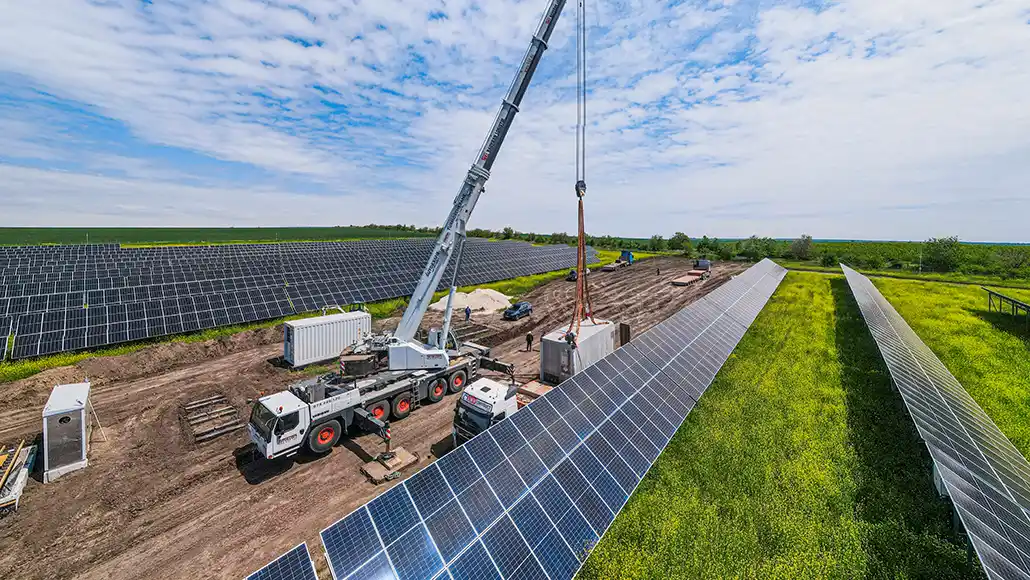


Construction experts have found diverse ways to implement solar power in projects of all types, even beyond traditional rooftop arrays. These innovations are making renewable energy more accessible and viable for your homes and all types of properties with varying capabilities and grid connections, powering the building process and long-term operations. The commitment to decarbonizing built infrastructure has led to energy systems that are foundational for future-proofing, climate resilience and cost-effectiveness.
Temporary Power Solutions for Active Jobsites
The tools professionals use to construct a building to its fullest potential are just as crucial to the structure’s embodied emissions as its long-term impact.
Mobile Generators for Site Power
Construction sites near you often operate with off-grid equipment, including diesel generators, to keep power equipment running around the clock. Mobile, compact, solar generators are a suitable replacement, reducing reliance on fossil fuels. They are user-friendly and easily transported between locations or segments of a localized site. With mobile generators, teams can power off-site offices and charge power tools with no issues.
Implementing them can lead to a worksite with lower noise pollution, fewer emissions and cut fuel costs. One recent project demonstrated this, using a hybrid system and a generator to enable 24/7 renewable operations, even during peak hours, without diesel. The hybrid system powered everything from tools and welfare cabins to a telehandler and offices.
Solar-Powered Lighting and Security
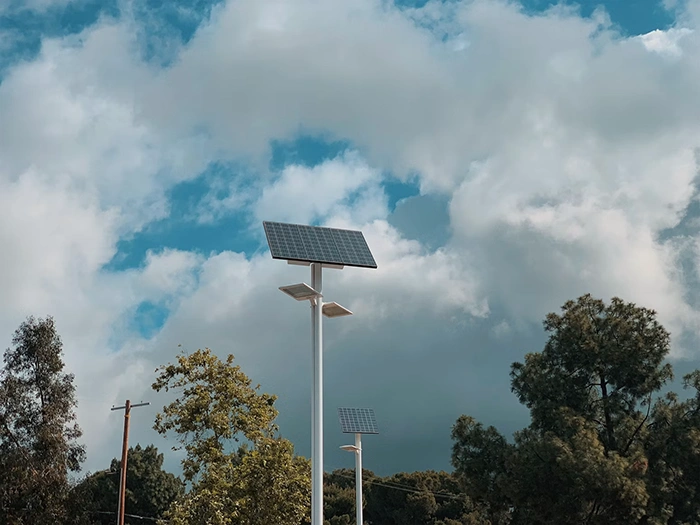
You may have seen construction projects that have remained in progress for months, with workers on the property day and night. These conditions require reliable security and lighting to keep teams and materials safe. Factors such as fuel costs and risk of diesel spills make equipment like solar-powered light towers an obvious improvement. The same technology is usable for security cameras, charging during off-peak hours and remaining active at all times.
Solar-Powered Tools and Equipment Charging Stations
Cords and wires introduce several concerns, inviting contractors to trip and fall over a loose cable or to cause an electrical short and a small fire. Cordless is the way of the future, but they need a reliable charging source that doesn’t rely on fossil fuels.
Solar-powered charging stations generate carbon-friendly energy to keep equipment online and running. Many of these stations are portable, allowing workers to carry them throughout the site with minimal health and safety concerns. These benefits streamline workflows and centralize charging while saving money on fuel.
Permanent Installations in Completed Buildings
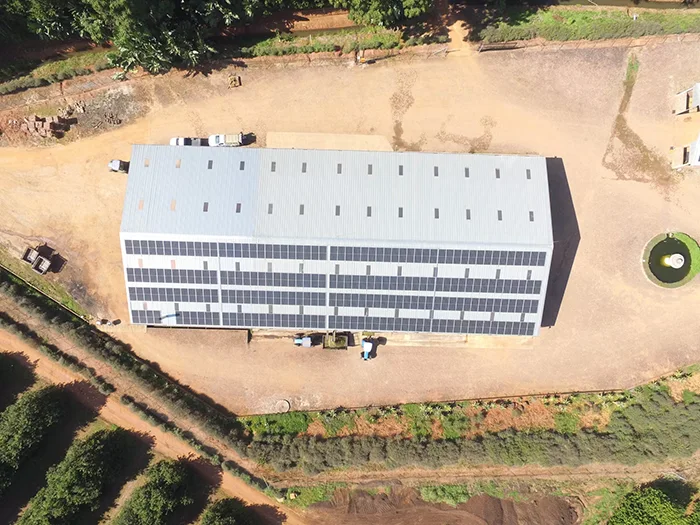
If a project starts with eco-friendly intentions and renewable technologies, you should expect this to translate into how the structure operates throughout its lifespan. As solar technology becomes cheaper every year with costs lowering 20% every time capacity doubles permanent installations are becoming more prevalent.
Building-Applied Photovoltaics (BAPV)
You have likely seen buildings with BAPV because it is the most common way to incorporate long-term solar. BAPV usually manifests as rooftop solar panels or a grounded array. Residential homes and large commercial buildings can support these equally, potentially raising their property values through their sustainable commitments.
This type of building is different from an old home that is being retrofitted with solar. BAPV plans to install solar panels from the early blueprints. The electrical panel and all utility infrastructure are compatible with it before construction workers break ground. It also considers the building’s orientation and roof design, ensuring they are optimally supportive of panels.
Building-Integrated Photovoltaics (BIPV)
BIPV builds on the ideas of BAPV and takes them a step further. It aims to make solar generation part of the home, rather than merely compatible or supportive of the technology. Examples include using different roof tiles or skylights to create seamless panels. BIPV buildings can be more aesthetically pleasing and more securely embedded into the structure.
However, some buildings can achieve this through retrofitting as well. The SunRise building in Edmonton offset 54% of its carbon emissions with BIPV. It achieved a world record for its solar mural with a 267-kilowatt capacity. The investment was expected to yield returns in four years, demonstrating how a building’s facade can be a primary source of sustainable power.
Community Solar and Microgrids
Some communities are unable to support permanent solar due to limitations in grid infrastructure or connectivity. Microgrids and community solar solve this issue, enabling more homes and commercial structures to bank on renewable energy. Microgrid projects allow multiple properties to connect to a small, local array, sharing resources and generation responsibility. It could support an entire development or a cul de sac. These make communities better prepared, especially in the event of a power outage.
Financial Incentives and Zero-Upfront-Cost Programs
There are two ways to spend money with sustainability in mind invest in green ventures and demonstrate interest in programs that support eco-friendly projects. Construction experts can do both, as purchasing climate-friendly equipment and construction methods is only part of the equation. They must also show governments and regulatory agencies that they want help funding green buildings by taking advantage of incentives and green financing.
Becoming a part of a community solar program is one way to do this. Case studies, such as the Impact Solar Initiative’s array in Columbus, Ohio, provided 653 kilowatts of renewable energy at zero up-front cost to the organization. Some programs can offer leases or power purchase agreements for financing, reducing the barrier to entry for homes, nonprofits and other businesses.
There are also incentives, such as the Residential Clean Energy Tax Credit in the U.S. If you install solar in your home, you could deduct a portion of the purchase price on your taxes, receiving it as cash on your return. While this program is no longer active, federal government incentives may become available in the future, or they may be available from your state or local government.
The Sunny Future for Construction
Your community must embrace the power of solar energy in all its forms. Construction projects can incorporate solar from the very beginning, starting the building off on the right foot. A project that is eco-friendly during construction can remain climate-resilient throughout its life with permanent solar. Sustainable practices and technologies must become the expectation for decarbonizing the sector and utilities to ensure a stable future.