




























Architecture is a multisensory experience that extends far beyond the structural skeleton of a building. While structural engineering provides stability and volume, the materials that coat the walls, floors, and ceilings are what truly define the character and mood of a space. Surface materials act as the visual and tactile skin of the built environment, directly shaping how people perceive, navigate, and feel within a room. In contemporary design, selecting and applying the right decorative surface finishes elevating architectural appeal is a key technique for turning cold, functional volumes into expressive and memorable works of art. By combining advanced manufacturing technologies, raw tactile textures, and refined aesthetics, these architectural finishes elevate the spatial experience across commercial, residential, and civic environments.
The Sensory Power of Surface Materials in Built Spaces
When someone enters a room, their eyes and hands instinctively scan the surfaces around them. The rough grain of raw timber, the cold smoothness of polished marble, and the metallic gleam of brushed brass communicate a wealth of sensory information. These tactile and visual details evoke emotional responses, influencing whether a space feels warm and welcoming, sleek and professional, or rustic and historical.
In the past, surface finishes were often viewed as decorative additions applied at the very end of a project. Today, interior architecture recognizes that surfaces are fundamental to how spaces are defined. High-quality decorative surface finishes elevating architectural appeal allow designers to establish a cohesive visual language that unifies the interior and exterior elements of a building, turning ordinary walls and partitions into powerful design features.
Wall Cladding Materials and Textural Complexity
One of the most effective ways to introduce texture and visual interest into a space is through wall cladding materials. Cladding is no longer restricted to external facades; it has become an essential tool for interior design, offering a wide variety of textures, colors, and patterns.
Natural stone veneers are widely used to add organic richness to accent walls, fireplace surrounds, and lobby backdrops. These ultra-thin stone slices capture the unique patterns and textures of solid stone without the associated weight or cost, making installation much simpler. For a modern, industrial look, micro-cement finishes provide a seamless, textured surface that mimics raw concrete while remaining durable and easy to clean. Timber paneling, featuring linear slats or geometric configurations, brings natural warmth and outstanding acoustic properties to offices, classrooms, and residential living spaces.
High-Pressure Laminates and Engineered Veneers
In commercial design, where budgets and durability are key considerations, high-pressure laminates and engineered veneers offer highly reliable alternatives to solid materials. Modern HPL is manufactured under extreme pressure and temperature, fusing layers of kraft paper with phenolic resins to create an incredibly tough and stable sheet.
Recent advancements in printing and embossing technologies have allowed manufacturers to produce laminates that replicate the texture and look of natural wood, stone, and metal with remarkable accuracy. These materials offer outstanding resistance to moisture, impact, scratches, and UV radiation, making them ideal for high-traffic surfaces like reception desks, wall panels, and doors. Engineered wood veneers, made by slicing and reassembling fast-growing timbers, provide highly consistent grain patterns and color options while reducing the demand for rare and slow-growing hardwoods, combining economic and environmental benefits.
The Rise of Micro-Cement and Seamless Hand-Applied Plasters
For designers seeking a minimalist, monolithic aesthetic, micro-cement and hand-applied plasters represent a major step forward. Micro-cement, also known as micro-concrete, is a polymer-modified cementitious coating applied in multiple ultra-thin layers, typically totaling only two to three millimeters in thickness.
This material can be applied to almost any stable substrate, including plasterboard, concrete, timber, and even existing ceramic tiles, creating a continuous, seamless surface without grout lines. The hand-applied nature of the plaster ensures that each wall features subtle, unique variations in tone and texture, adding artistic value to the space. Lime-based Venetian plasters and clay stuccos offer similar aesthetic benefits while being highly breathable and naturally resistant to mold, making them excellent choices for both damp areas and dry living spaces.
Innovative Decorative Panels and Three-Dimensional Surfaces
Advancements in digital fabrication and material science have opened up exciting new possibilities for surface design. The development of three-dimensional decorative panels has revolutionized wall design, turning flat, lifeless partitions into dynamic, sculptural installations.
These panels are manufactured from a variety of materials, including CNC-milled MDF, gypsum plaster, thermoformed plastics, and recycled wood composites. By incorporating wave-like patterns, geometric facets, or organic textures, 3D panels create a sense of depth and movement on the wall surface. When illuminated, these panels produce a captivating play of light and shadow that shifts throughout the day. Translucent resin panels, embedded with natural elements like leaves, textiles, or metallic flakes, offer another creative option, allowing designers to play with backlighting to create glowing, ethereal features in commercial lobbies or hospitality environments.
The Engineering of Surface Durability and Protection
While aesthetics are critical, decorative surface finishes must also perform reliably under real-world conditions. In high-traffic areas such as hotel lobbies, corporate offices, hospitals, and educational facilities, surfaces are subjected to constant wear, impact, and chemical cleaning. Therefore, modern finishes are engineered to combine beautiful design with exceptional durability.
High-pressure laminates represent a highly versatile and durable surface solution, featuring incredible resistance to scratches, impacts, stains, and heat. Recent technological advancements have led to the creation of ultra-matte HPL surfaces with anti-fingerprint properties, ensuring that cabinets and wall panels remain pristine and free of smudges even in busy environments. For healthcare facilities, specialized surface coatings with anti-microbial properties are applied to prevent the spread of pathogens, ensuring that the beautiful, textured surfaces are also safe, sanitary, and easy to disinfect.
Sustainable Finishes and Eco-Friendly Material Innovations
As the construction industry prioritizes environmental sustainability, the demand for green, circular surface materials has grown rapidly. Designers are moving away from synthetic, petrochemical-based coatings toward finishes that are bio-based, recyclable, and healthy for occupants.
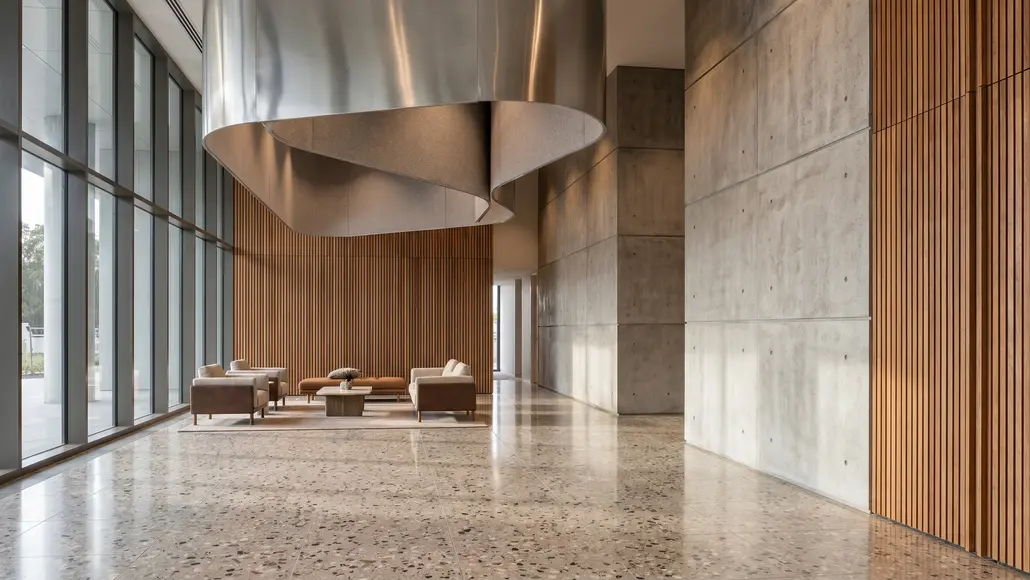
Terrazzo, a material with deep historical roots, has experienced a major revival due to its sustainable credentials. Modern terrazzo utilizes recycled glass chips, marble dust, and porcelain fragments bound in a low-VOC cement binder, creating a durable and visually striking surface for floors and walls. Clay plasters and lime-based stuccos offer beautiful, breathable alternatives to standard drywall paint. These natural plasters naturally regulate indoor humidity, absorb odors, and emit zero volatile organic compounds, contributing to outstanding indoor air quality. Additionally, acoustic panels and wall coverings made from recycled plastics and agricultural waste provide dual benefits, delivering excellent sound absorption while diverting waste from landfills.
The Interplay of Light, Shadow, and Surface Finishes
The visual impact of any decorative finish is deeply linked to the lighting design of the space. Light can either accentuate or flatten the texture and color of a surface, making the coordination between lighting designers and interior architects essential.
Grazing light, where light sources are positioned close to the wall surface to direct light at a sharp angle, is highly effective for highlighting the relief of 3D decorative panels, rough-cut stone, or textured plasters. This dramatic lighting technique casts deep shadows, emphasizing the textural variation of the material. Conversely, soft, diffused ambient light is ideal for smooth, semi-glossy, or metallic finishes, preventing harsh reflections and highlighting the subtle sheen of the material. By carefully coordinating the reflective properties of surface finishes with strategic light placements, designers can completely alter the atmosphere of a room from day to night.
Spatial Identity and Brand Expression in Interior Architecture
In commercial design, surface finishes are powerful tools for communicating brand identity and corporate culture. The materials chosen for a company’s headquarters or a retail store’s walls should match the brand’s values, message, and target audience.
For example, a forward-thinking technology company might use seamless metal panels, back-lit resin, and polished concrete to communicate innovation, precision, and efficiency. In contrast, a luxury boutique hotel might select rich timber cladding, hand-burnished clay stuccos, and gold-leaf details to create an atmosphere of warmth, craftsmanship, and exclusivity. By selecting architectural finishes that match the brand’s story, designers transform physical environments into engaging brand experiences, building emotional connections with visitors and employees alike.
Designing Memorable Experiences and Future Surface Trends
The design of decorative surface finishes is constantly evolving, driven by technological breakthroughs and changing societal values. One of the most exciting upcoming trends is the development of active surfaces that respond to environmental changes. Imagine wall coatings that change color in response to temperature variations or absorb and neutralize indoor pollutants dynamically.
Another growing trend is the use of high-resolution digital printing to create completely customized wall coverings and laminates. This technology allows designers to print any pattern, photograph, or material replication onto a wide range of substrates, offering limitless design freedom at an accessible price point.
In conclusion, utilizing decorative surface finishes elevating architectural appeal is a fundamental requirement for creating successful, memorable, and high-performance built environments. By integrating visual design, tactile textures, durability, and sustainability, these finishes bridge the gap between structural engineering and human sensory experience. As new materials and technologies continue to emerge, the creative potential of architectural surfaces will remain limitless, continuously shaping how we experience and enjoy physical spaces.