




















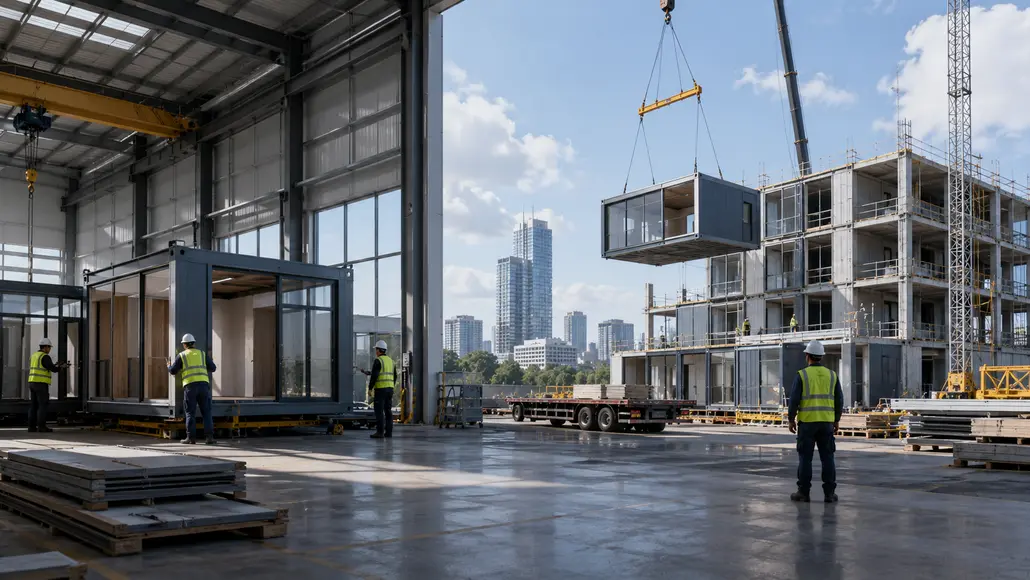


The construction industry is currently experiencing a profound paradigm shift that is moving the primary theater of building away from the unpredictable conditions of the job site and into the controlled precision of the factory floor. As a veteran with over fifteen years in the sector, I have watched modular construction evolve from a niche solution for temporary structures into a sophisticated, high-performance method for permanent residential, commercial, and institutional projects. This momentum is driven by a convergence of factors: a global housing crisis, an acute shortage of skilled labor, and an urgent need to reduce the environmental footprint of our built environment. The transition to industrialized construction is not just a trend; it is a necessary evolution for an industry that has long struggled with productivity stagnation.
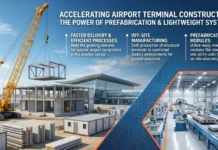
One of the most compelling arguments for this shift is the drastic reduction in project timelines. In a traditional build, structural work cannot begin until the foundation is poured and cured. With modular construction, the site preparation and the fabrication of the building modules happen simultaneously. By the time the site is ready, the modules are often already complete, arriving with electrical, plumbing, and even interior finishes pre-installed. This “fast track” approach can reduce the overall construction schedule by as much as fifty percent, allowing developers to bring units to market faster and significantly reducing the interest carry on construction loans.
The Engineering Precision of Offsite Fabrication
The controlled environment of a factory allows for a level of quality control that is virtually impossible to achieve in the field. When components are fabricated in a weather-protected facility using specialized jigs and automated machinery, the tolerances are measured in millimeters rather than centimeters. This precision ensures that every joint is airtight and every structural member is perfectly aligned. For the end-user, this translates into a building that is more energy-efficient, quieter, and more durable over its lifecycle. We are seeing a new standard of excellence where the “industrialized” nature of the work actually enhances the bespoke quality of the final product.
Industrialized Workflows and Labor Efficiency
Modular construction also addresses the systemic labor challenges facing the industry. By moving the majority of the work into a factory setting, we can offer workers a more stable, safe, and comfortable environment. This has made the construction trade more attractive to a younger generation of workers who value consistency and technology. Furthermore, the assembly-line nature of the process allows for a more efficient use of specialized skills. Instead of having a highly skilled electrician traveling between disparate sites, they can work at a dedicated station where materials are always at hand, maximizing their productivity and reducing the physical strain associated with traditional site work.
Material Efficiency and Waste Reduction
The environmental benefits of offsite construction are equally significant. Traditional job sites are notorious for material waste, often exceeding fifteen percent of the total volume delivered. In a modular factory, however, the digital design of the modules allows for precise material planning. Any offcuts or scraps can be immediately recycled or repurposed for the next module in the sequence. This closed-loop system dramatically reduces the volume of waste sent to landfills. Additionally, because the modules are designed to be transported, they are inherently more robust than site-built frames, often requiring extra reinforcement that adds to the overall structural integrity of the finished building.
Architectural Flexibility and Modern Aesthetics
A common misconception about modular construction is that it leads to repetitive, “cookie-cutter” designs. In reality, the integration of Building Information Modeling (BIM) with advanced fabrication techniques allows for an incredible degree of architectural customization. We are seeing modular skyscrapers in London, luxurious hotels in New York, and affordable housing complexes in Singapore that are architecturally indistinguishable from their site-built counterparts. The “lego-block” approach is merely the structural strategy; the facade, layout, and finishing can be as unique and sophisticated as the client desires.
Scaling Solutions for Urban Densification
As our cities become more crowded, the logistical challenges of traditional construction noise, dust, and heavy truck traffic become increasingly problematic. Modular construction minimizes these disruptions by concentrating the bulk of the activity elsewhere. The onsite phase is reduced to a rapid assembly process, often completed in a matter of weeks rather than months. This makes it an ideal solution for infill projects and urban densification where space is at a premium and minimizing community impact is a priority. The ability to deliver high-quality housing in dense urban cores quickly is perhaps the most vital contribution of modular construction to modern society.
Overcoming the Logistics of Transportation
While the benefits are clear, the industry must still navigate the logistical complexities of transporting large-scale modules from the factory to the site. This requires meticulous planning regarding route clearances, permits, and crane placement. However, as the modular construction ecosystem matures, specialized logistics providers are emerging to streamline this process. We are also seeing the development of “flat-pack” systems that can be shipped more efficiently and assembled quickly on-site, offering a hybrid approach that combines the benefits of factory precision with easier transportation.
The momentum behind prefabrication and modular construction is undeniable. As we continue to refine our processes and scale our manufacturing capabilities, this industrialized approach will become the backbone of the construction industry. By prioritizing speed, quality, and sustainability, we are not just building faster; we are building better. The future of construction is offsite, and those who embrace this change will be the ones leading the way toward a more efficient and resilient built environment.