
























Close
ALUMINIUM CHINA2026
Thursday, July 2, 2026
LiGHT26

EU Unveil Rules to Encourage Low Carbon Construction Materials

Note* - All images used are for editorial and illustrative purposes only and may not originate from the original news provider or associated company.

Subscribe

- Never miss a story with notifications

- Gain full access to our premium content

- Browse free from any location or device.

Media Packs

Expand Your Reach With Our Customized Solutions Empowering Your Campaigns To Maximize Your Reach & Drive Real Results!

– Access the Media Pack Now

– Book a Conference Call

Leave Message for Us to Get Back

Related stories

VINCI Construction Appointed as Lead Partner for Liverpool’s Pall Mall Development

The strategic redevelopment of Liverpool's commercial core has accelerated...

Trimble Integrates Advanced AI into MEP Estimating Solutions

Trimble has announced the deployment of new artificial intelligence...

Construction Logistics Optimization Reducing Project Delays

Enhancing the flow of materials and resources from production to the job site is a fundamental driver of project efficiency and schedule adherence. By implementing advanced planning, real-time tracking, and integrated supply chain management, organizations can eliminate bottlenecks and minimize the costly interruptions that frequently plague large-scale developments. This strategic focus on logistics ensures that every component is delivered with precision, fostering a more predictable and productive construction environment that benefits all stakeholders involved.
- Advertisement -

The European Commission has unveiled a standardised calculation framework that will fundamentally reshape how the construction industry measures and reports the environmental impact of building materials. The new regulation creates a level playing field across member states by establishing common rules for assessing greenhouse gas emissions throughout a building’s entire lifespan.

Announced on December 16, delegated regulation sets out a transparent methodology for measuring the life-cycle Global Warming Potential (GWP) of new buildings. The approach tracks environmental impact from the initial extraction of raw materials through manufacturing, transportation, construction, operation, maintenance, and finally demolition and waste processing.

Transparency in Material Selection

Construction professionals will soon operate under new requirements that make environmental performance visible at every stage of project planning. From 2028 onwards, new buildings larger than 1,000 square metres must declare their lifecycle carbon footprint through energy performance certificates. The scope expands to all new buildings by 2030, establishing uniform environmental accountability across the entire EU, thereby encouraging the adoption of low carbon construction materials.

This shift fundamentally alters procurement strategies. Material choices that were once driven primarily by cost and technical specifications now must account for measurable environmental impact. The framework pushes environmental performance into the same category as structural integrity and budget considerations.

Materials Innovation Receives Policy Support

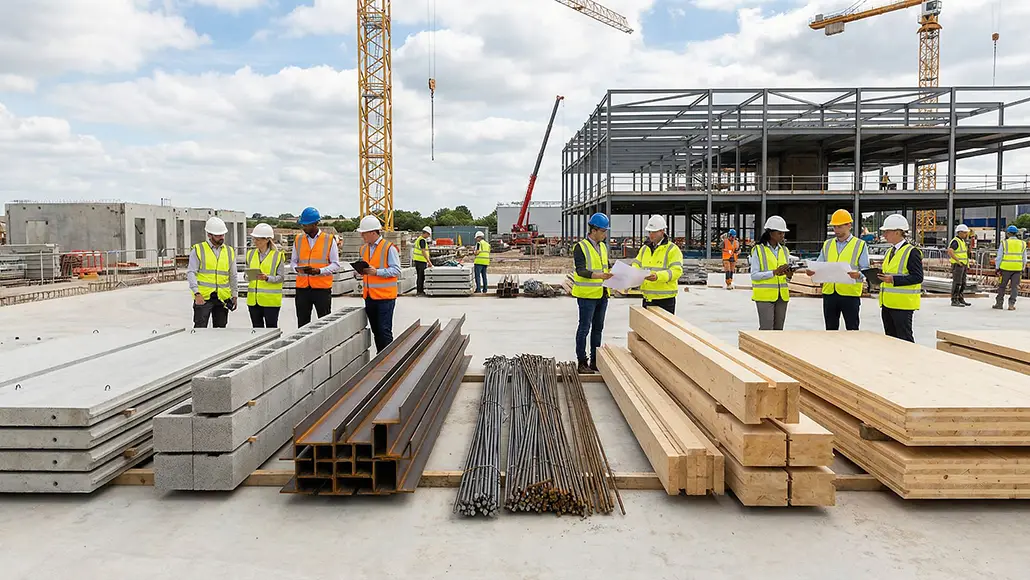
Low carbon construction material solutions are positioned to gain significant market traction. Clean steel, low-carbon cement, and timber-based construction methods now have quantifiable advantages within this standardised framework. The regulation particularly encourages circular economy principles, supporting material reuse, recycling initiatives, and carbon sequestration strategies that reduce both waste streams and embodied carbon.

Companies that invest in sustainable material technologies can now differentiate their products and services with credible, standardised data rather than competing marketing claims.

Practical Implementation Leverages Existing Infrastructure

The framework avoids creating burdensome new reporting requirements. Member states apply a consistent calculation methodology while maintaining flexibility to adjust regional parameters based on local conditions. Manufacturers supply product data through channels already established under EU construction products and energy labelling regulations, ensuring minimal disruption to existing business processes.

The Road to 2028

The regulation moves forward for a two-month parliamentary and council review, during which member states can formally object. An optional two-month extension may be triggered before the rules take effect. This review period provides crucial lead time for the construction sector to prepare systems, update procurement processes, and align supply chains with new environmental standards.

The framework signals that the EU is embedding climate accountability into construction practice as standard procedure.

Achema Middleeast

Never miss a construction headline

The construction industry moves fast – stay on top of it with our must - read briefings.

  • The top construction and infrastructure stories, straight to your inbox
  • The biggest news, features, interviews, and analysis
  • Dedicated coverage of the key developments shaping global construction markets

Latest stories

Related stories

VINCI Construction Appointed as Lead Partner for Liverpool’s Pall Mall Development

The strategic redevelopment of Liverpool's commercial core has accelerated...

Trimble Integrates Advanced AI into MEP Estimating Solutions

Trimble has announced the deployment of new artificial intelligence...

Construction Logistics Optimization Reducing Project Delays

Enhancing the flow of materials and resources from production to the job site is a fundamental driver of project efficiency and schedule adherence. By implementing advanced planning, real-time tracking, and integrated supply chain management, organizations can eliminate bottlenecks and minimize the costly interruptions that frequently plague large-scale developments. This strategic focus on logistics ensures that every component is delivered with precision, fostering a more predictable and productive construction environment that benefits all stakeholders involved.

Adaptive Reuse Strategies Extending Building Lifecycles

Transforming existing structures for contemporary use has emerged as a cornerstone of sustainable urban development, offering a viable alternative to the carbon-intensive cycle of demolition and new construction. By creatively repurposing historical and underutilized buildings, cities can preserve their architectural heritage while meeting the evolving needs of modern populations. These methods prioritize resource efficiency and waste reduction, ensuring that the inherent energy and materials of our built environment are maximized for future generations.

Subscribe

- Never miss a story with notifications

- Gain full access to our premium content

- Browse free from any location or device.

Media Packs

Expand Your Reach With Our Customized Solutions Empowering Your Campaigns To Maximize Your Reach & Drive Real Results!

– Access the Media Pack Now

– Book a Conference Call

Leave Message for Us to Get Back

Translate »