
























Park City, Utah, has long been known for world-class skiing and its starring role in the Sundance Film Festival. But over the past several years, the former mining town has taken on a new identity: one of the most active markets for luxury mountain real estate in the country. Developers are breaking ground across its ridgelines and canyons at a pace that few resort towns can match, and buyers who once looked exclusively to Aspen are now giving Park City a second look.
This shift isn’t happening by accident. It’s the result of expanding resort infrastructure, a wave of new construction, and a buyer base that wants the mountain lifestyle without the limitations of an increasingly land-constrained market elsewhere. Here’s a closer look at what’s driving Park City’s rise, and why it’s emerging as a serious contender in the luxury home space.
A Former Mining Town Turned Construction Hot Spot
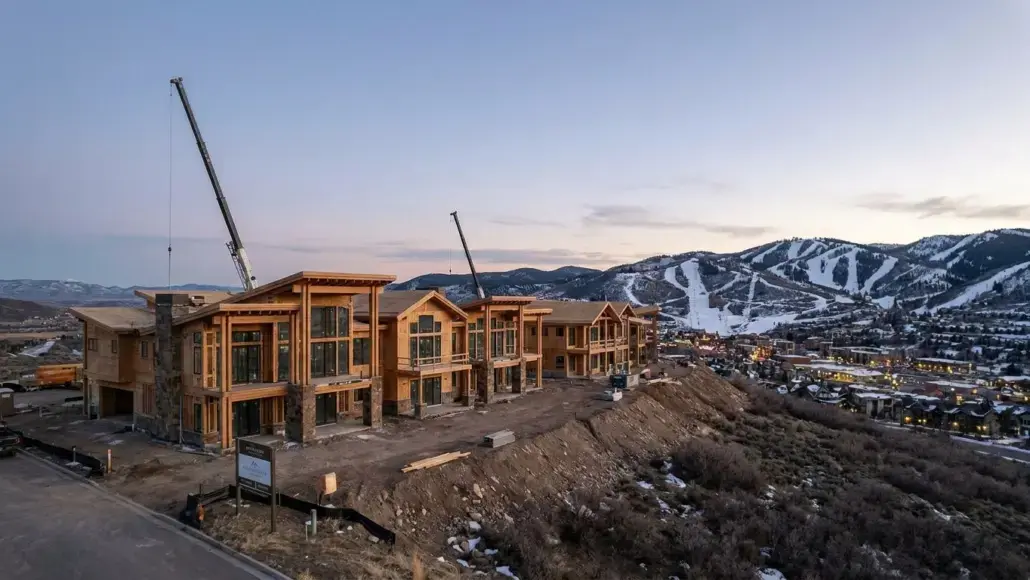
Park City’s history as a 19th-century silver mining town might seem at odds with its current reputation for architect-designed estates and ski-in, ski-out chalets. Yet that history is part of what makes the area so compelling to developers today. The terrain that once hosted mining operations now offers dramatic, buildable land with mountain views that are difficult to replicate elsewhere.
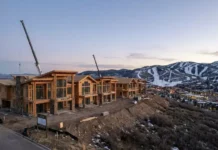
According to Realtor.com, real estate developers have been digging in throughout the peaks and valleys surrounding Park City, with that activity expected to bring nearly 1,000 new housing units to the area in the coming years. That’s a significant volume of new supply for a town of Park City’s size, and it reflects just how aggressively developers are positioning themselves in this market. Rather than a handful of isolated luxury projects, the area is seeing a sustained, broad-based construction pipeline.
How Park City Compares to Aspen
Aspen has long been the benchmark for mountain luxury real estate, and it remains one of the most expensive markets in the country. Park City isn’t necessarily competing with Aspen on price alone. Instead, it’s positioning itself as a more accessible and rapidly expanding alternative, one defined by active construction pipelines and major resort expansions rather than price parity.
This distinction matters. Buyers who find Aspen’s inventory limited, or who are priced out of its most desirable neighborhoods, are increasingly finding that Park City offers a similar mountain lifestyle with considerably more room to build, buy, and customize. Where Aspen’s geography and long-established zoning restrict new development, Park City’s ongoing resort expansions and available land are enabling a level of growth that Aspen simply can’t match right now. For developers and buyers alike, that difference in available inventory, rather than a straightforward cost comparison, is what’s driving momentum toward Park City.
What’s Fueling the Growth
A few key factors explain why Park City has become such an active market for luxury development.
Resort expansion is reshaping the landscape
Park City is home to two major resorts, Park City Mountain and Deer Valley, both of which have invested heavily in recent years to expand terrain, lift capacity, and base area amenities. These expansions don’t just improve the skiing experience. They also increase the long-term value and appeal of nearby real estate, giving developers confidence to invest in new luxury projects.
Buyers want more than a ski cabin
Today’s luxury mountain buyer is often looking for a full-time or near full-time residence, not just a weekend ski retreat. That shift has pushed developers to build larger, more amenity-rich homes, think private wellness spaces, smart home technology, and architecture designed to maximize year-round mountain views, rather than the smaller A-frame cabins of decades past.
Remote work has widened the buyer pool
The ability to work from anywhere has made resort towns like Park City viable primary residences for a broader range of high-net-worth buyers. Proximity to Salt Lake City International Airport, just a 35-minute drive away, gives Park City a logistical advantage over more remote mountain markets, making it easier for buyers to split time between Park City and other locations.
Land availability supports sustained development
Unlike Aspen, where available land is scarce and development is tightly restricted, Park City still has meaningful room for new construction. That availability is a major reason developers have been able to commit to building out nearly 1,000 new units without running into the same supply constraints that limit growth in other elite mountain markets.
What This Means for Buyers and Investors
For buyers considering a mountain luxury home, Park City’s growth trajectory offers a few practical advantages. New construction means more opportunities to secure a home with modern layouts, energy-efficient systems, and the kind of amenities that older luxury stock often lacks. It also means more choice: buyers aren’t limited to a small pool of resale listings, as is often the case in more land-constrained markets.
For investors, the sustained construction pipeline suggests a market with room to grow rather than one that has already plateaued. Choose Park City if you’re prioritizing access to new inventory, resort-driven value growth, and a wider range of price points. Choose Aspen if long-established prestige and scarcity are the primary draw. Both markets serve the luxury mountain buyer, but they do so in different ways, and understanding that distinction is key to making the right choice.
Looking Ahead for Park City’s Luxury Market
Park City’s evolution from a 19th-century mining town to a modern hub for mountain luxury real estate reflects broader shifts in how buyers think about resort living. It’s no longer just about proximity to a ski lift. Buyers want expansive homes, year-round amenities, and a sense that the community is investing in its future, and Park City is delivering on all three fronts.
With nearly 1,000 new housing units in the pipeline and resort expansions continuing to raise the bar, Park City is positioned to remain one of the most dynamic luxury markets in the country for years to come. For buyers and investors weighing their next move, keeping a close eye on Park City’s development activity, and the broader opportunities it creates, is a smart place to start.