






















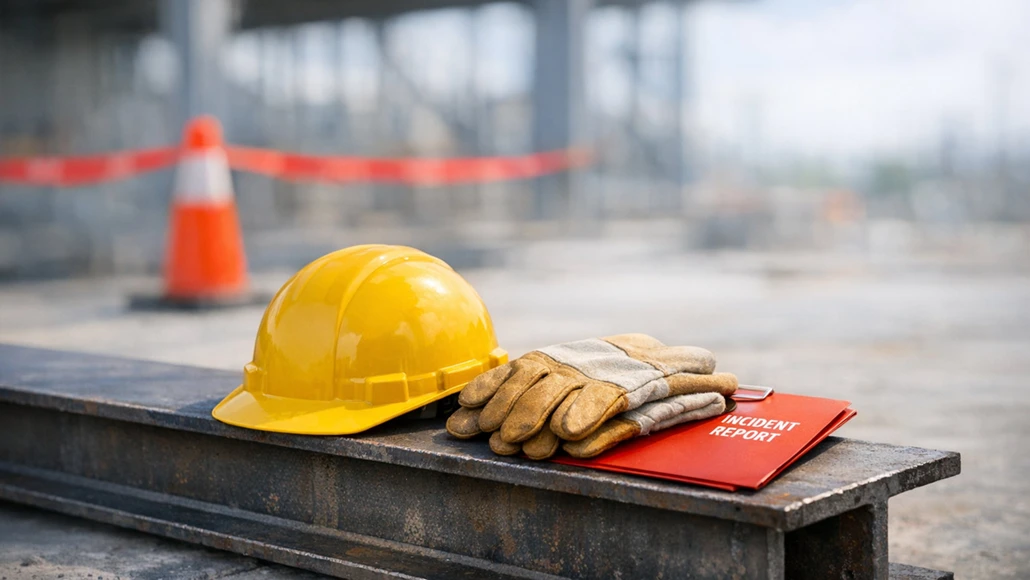


Ironworkers face unique hazards on construction sites, often resulting in severe injuries after a workplace accident. Understanding legal rights is critical when accidents happen, particularly in cases involving third parties and OSHA safety violations. Navigating liability claims can be challenging, but clarity around these issues can help protect the interests of injured workers and their families.
Ironwork is one of the most dangerous trades in construction, and injuries are unfortunately common. When an ironworker is hurt on the job, their situation often gives rise to more than just a workers’ compensation claim. In many cases, there may be grounds for a third-party liability lawsuit, especially if equipment manufacturers, general contractors, or property owners played a role in causing the incident. The support of a workplace injury firm, LeViness, Tolzman & Hamilton, can help navigate these complex legal issues and ensure the rights of the injured are protected.
Understanding third-party liability in ironworker injuries
When an ironworker is injured at work, the default recourse is to file a workers’ compensation claim through their employer. This system is designed to cover medical costs and a portion of lost wages regardless of fault. However, workers’ compensation does not allow recipients to sue their employer for additional damages related to pain, suffering, or negligence.
Third-party liability claims come into play when someone other than the employer contributes to an accident. This might include subcontractors, equipment manufacturers, or other parties responsible for maintaining a safe site after a workplace accident. For example, if a faulty piece of equipment causes an injury, the manufacturer may be liable alongside the employer, particularly when heavy machinery is involved. Identifying these parties is crucial for ironworkers seeking remedies beyond what workers’ compensation provides.
Navigating the claims process and challenges
Pursuing a third-party claim involves establishing that another entity’s negligence led to the injury. This process requires gathering evidence such as accident reports, witness statements, and maintenance records. Working with legal professionals is often necessary to identify liable parties and build a strong case within the limits of the law, including the requirements of a third-party liability lawsuit.
Ironworkers face various challenges when pursuing third-party liability claims. Construction sites are complex, with many overlapping responsibilities and multiple companies involved in day-to-day operations. Uncovering who is ultimately at fault can take considerable investigation and expertise, especially where OSHA safety violations may have contributed to unsafe conditions. Delays and disputes may arise, especially when several companies are seeking to limit their responsibility or when there is conflicting information about the circumstances.
Seeking legal support and protecting your rights
Promptly seeking legal guidance helps protect an ironworker’s interests following an injury. Lawyers specialized in workplace accidents can explain the differences between workers’ compensation and third-party claims, helping injured workers recover all damages to which they are entitled after a workplace accident. Early advice is particularly important for gathering documents and evidence before memories fade or sites change, especially if heavy machinery was being operated nearby.
Understanding timelines is vital, as strict deadlines govern both workers’ compensation and third-party claims. Missing a deadline or failing to notify the responsible parties can jeopardize the ability to obtain compensation through a third-party liability lawsuit. Ironworkers and their families should be aware of their rights and options to achieve the best outcome after a serious workplace injury, especially in the challenging environment of large construction projects where liability is often shared among several companies.