
























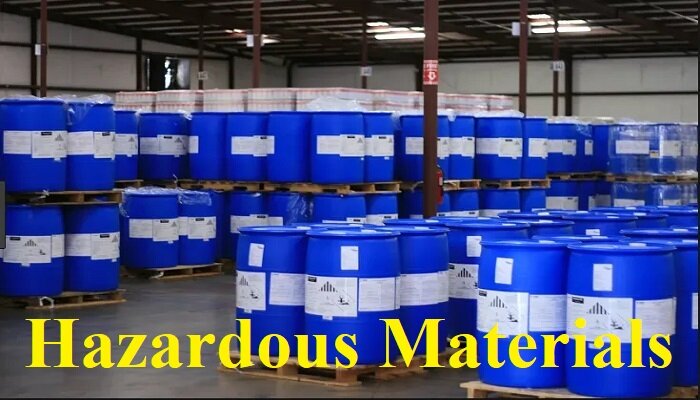


Working in construction means that you’ll come into contact with a broad range of materials. Both when taking old materials out of a building you’re working on and when handling new construction materials, you’ll need to know what you’re dealing with to operate in a safe manner. We’ve put together a brief but comprehensive guide of what you should be aware of, from materials to watch out for to how those materials should be removed.
What to look out for
Some of the more common hazardous materials, such as sheets of asbestos, are relatively easy to recognise – especially if you’ve been working in the construction industry for a little while now. Others can be far harder to spot with an untrained eye, and can slip through if you’re not sufficiently careful.
It’s important to use useful resources in order to remain aware of the relevant risks. For example, these could be guides on materials to watch out for in buildings built during a specific period or area, or lists of hazardous materials related to the specific work you do.
Testing
If you spot any potentially hazardous materials while working on a project, in many cases you’ll need to stop working in that area and arrange to have that material tested. Not only could further work put your own health at risk, but it could also spread that substance around the worksite, leading to widespread contamination that’s far more difficult to get rid of. The providers you’ll be using recognise how important a fast turnaround is in these situations, so you won’t have to wait long to get your results.
PPE
Most materials, in certain forms, can be relatively hazardous. When sanding paint or grinding concrete, for example, you’ll need to make sure that you’re not accidentally ingesting these materials. To ensure that this is the case, you’ll need to use the right kinds of PPE for the specific hazard that you’re dealing with. That could be face masks, gloves, boots, or hazmat suits – you’ll need to continually work to adapt your approach, based on the environment you find yourself in.
Professional removal services
Lastly, even if you’re fully physically capable of getting hazardous materials such as asbestos out of a building site, it’s important that you leave it to a professional removal service. They’ll be able to use the proper PPE and removal techniques to ensure both their own safety and the complete removal of potentially highly toxic materials. You won’t bear the cost – your client will, and in doing so you’ll be providing a better, safer service in the long run.
The exact approach you’ll need to take will obviously depend on the kind of work you do, and the kinds of buildings you’re working on. However, these general pointers will apply to most industries and most trades, especially those working on existing buildings. Hazardous materials really aren’t something to mess around with, and can have serious effects on your short and long-term health – it isn’t worth risking something that serious just to get a project finished a little faster.