























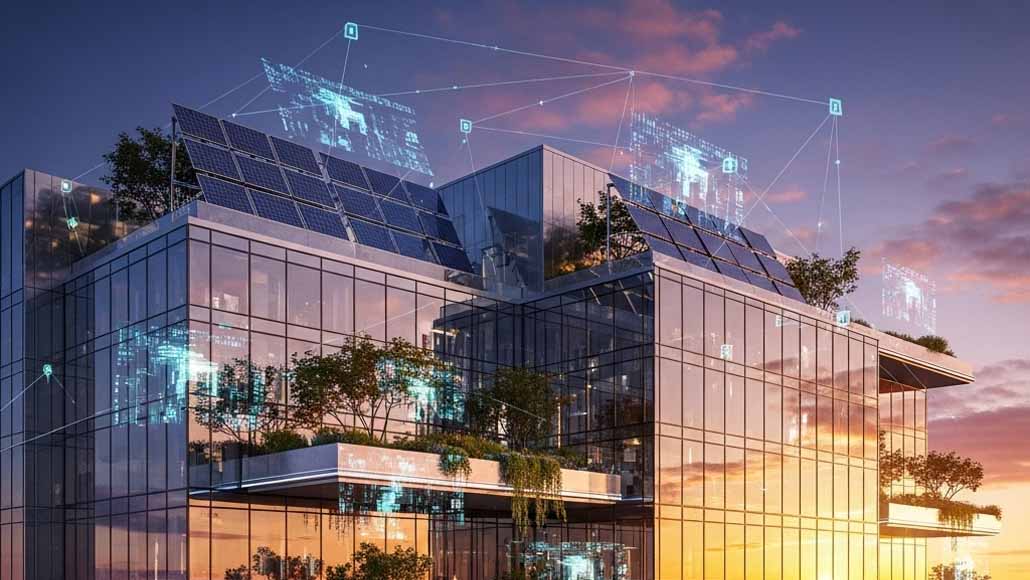

In recent years, global construction and infrastructure have undergone unprecedented change as a result of human-centric design and the adoption of AI technologies. As urban environments expand and infrastructure demands escalate, the integration of AI into building management systems (BMS) has changed the way we live, work, and interact with our built environment. This revolution is not merely about automation or technological sophistication; it’s about designing systems that prioritize human well-being, enhance operational efficiency, and foster sustainable development.
It is clear to industry experts however, that human-centric AI transforming modern building management is not a passing trend, it is a paradigm shift that will reshape the approach in which buildings can serve their people and the environment.
The Symbiosis of Human-Centric Design and AI
Human-centered design has played an important role in architecture, interior design, and its most effective form is in the use of AI systems. When we talk about human-centered AI for Building Management, it means systems that self-adapt, respond, and optimize building environments based on real-time human activities using the data expressed in resident preferences. As a result, this will lead to a better and more responsive environment that materialises and interacts with users in ways they feel comfortable with while addressing sustainability imperatives, and operation efficiencies.
Transforming Building Environments Through AI
The implications of AI-based, human-centered building management are diverse. The most important is occupant wellness. Lighting, temperature, ventilation, and acoustics are no longer fixed, they are interchangeable. For example, AI algorithms analyse occupancy patterns to optimise lighting in shared spaces, reducing energy consumption while maintaining occupant comfort. Climate control systems learn how each occupant prefers things and can create individual micro-environments specifically designed for the health and comfort needs of each occupant. Likewise, climate control systems learn individual preferences and can deliver individual micro-environments precisely customized to each occupant’s comfort and health needs.
This flexibility is more than just comfort. The improvements in health and safety management, as a result of AI, are equally as important. The ability to monitor indoor air quality, noise levels, and people density enables real-time responses to what could be hazardous situations, such as lowering harmful airborne particulates or conducting evacuations in an emergency. To successfully identify probable threats, AI-enabled security systems rely on facial recognition and behavioral analysis without infringing on personal privacy rights. Additionally, operational efficiency is enhanced through the ability to use predictive analytics. Maintenance schedules are optimized based on data from equipment sensors, eliminating unnecessary downtime and ensuring systems operate smoothly. Demand and changing demand forecasting by artificial intelligence greatly enhance energy management and create efficiency and cost savings while lowering the environmental footprint.
The Human Factor: Ensuring Accessibility and Personalisation
Automation and artificial intelligence have developed efficiencies and responsiveness which, for now, does not override the human factor. One very critical point of human-centered AI in building management is making it accessible and inclusive. Technology has to cater to diverse stakeholders — from differently-abled to elderly — by offering intuitive interfaces and adaptable environments that enhance independence and dignity. A vital aspect of this strategy is personalisation.
AI systems generate user profiles based on personal habits, routines, health status, and other data that enable environments to adapt automatically. Work environments, for example, can adapt lighting and air quality to employees’ level of activity and health information to increase productivity and reduce stress.
Describing these value propositions requires a careful blend of human interfaces, with voice-operated systems, anticipatory AI that responds before they need to ask, and easy-to-interpret dashboards. The objective is comfort and control. Users should feel empowered to generate change in their environment, rather than simply being passive recipients of changes that are automatically made.
Challenges and Ethical Considerations
Despite the promising benefits, the deployment of human-centric AI in building management presents notable challenges. At the top of the list are privacy issues: gathering information on human activity, health, and preferences must be weighed against adequate security measures to protect it. Building operators must set clear policies and ensure adherence to changing privacy norms.
The security of data is another concern. With buildings becoming intimately connected via IoT and AI, cyber threat surface increases. One of the main concerns for stakeholders trying to achieve reliable management solutions is to ensure resiliency of these systems against malicious insider threats.
There are ethical issues regarding bias and inclusivity as well. AI systems can be trained on biased datasets and inadvertently exclude specific cohorts or simply unable to meet differing needs. Hence there will need to be ongoing monitoring, auditing, and engagement with stakeholders to build trust and fairness in these systems.
Cost and technical knowledge are obstacles to wide scale adoption. Although the cost of technology is continuing to decline, AI systems are still expensive and require technical knowledge of how the more advanced AI systems will operate. Solutions to these issues will require teamwork from a collective of technology providers, designers, and operators of the buildings.
The Future Outlook: Human-Centric AI as a Standard
Going forward, the future plays out by design as human-driven integrated AI in facility management will double down on its momentum to accelerate. With improvements in the detection technologies, the data analytics, and machine learning, the adaptive system will be possible with better reliability. A biometric sensor might facilitate monitoring of the health of occupants and the emergency response due to the circumstances, while heightening safety.
It will be expected that regulatory guidelines and standards become revised to focus on transparency, ethics and privacy of the use of AI. Owners and operators of buildings will face a continued demand for education and to keep pace with advancements in technology.
The convergence of AI with emerging technologies like IoT, 5G, and edge computing will give rise to even more localized, real-time responses, making buildings smarter and more reactive than ever before. As the industry works to become more sustainable and ensure human well-being, buildings of the future are no longer simply structures, but living, breathing organisms designed specifically to respond to human needs.
Conclusion: Building a Human-Centric Future
Overall, we are shifting fundamentally the way we design, think, and manage our built environments, with the integration of human-centric AI transforming modern building management systems. It represents a transition from conventional, reactive building controls to forward-thinking, intelligent environments that are focused on human health, safety, and comfort. Technology will unleash the potential to develop sustainable, inclusive, and resilient places that actively contribute to well-being and planetary care.
AI-infused buildings that are truly human-centric are complex, requiring collaboration across many disciplines, a mindful approach to ethics and privacy, and ongoing innovation. However, the potential rewards — better occupant experience, cost savings, sustainability, and safety — demand engagement from any industry leader who is serious about creating a smarter and healthier future.
