


























The construction industry across Asia is at a pivotal juncture. The technological advancement and urbanisation has transformed the continent as the most dynamic markets in the world. Along with this growth comes challenges in the supply chain that threaten the progress addressed with strategic foresight and innovation. As the economy of the region recovered, post-pandemic and environmental priorities intensified, the need to rebuild and optimize construction supply chains in Asia has never been more urgent.
The Foundation of Construction Supply Chains in Asia
Asia’s construction sector is characterized by its sheer scale and diversity. From towering skyscrapers in China and Singapore to sprawling infrastructural projects in India and Southeast Asia, the region’s demand for construction materials, equipment, and trained manpower is unmatched. This vast activity rests on intricate supply chains that traverse borders, dependent on a web of raw material sources, manufacturing locations, logistics companies, and local contractors.
Nonetheless, global disruptions over the past few years have revealed weaknesses in these supply chains. Geopolitical tensions, commodity price fluctuations, demand volatility, and continuing impact from the COVID-19 pandemic, have all combined to produce delays, rising costs, and variations in quality. Supply shortages in steel and cement, for example, are still major hold-ups, particularly in those cases where local production cannot keep up with surging demand and supply cannot be secured elsewhere.
Disruption Drivers and Their Impact
The pandemic’s impact was particularly acute in Asia, where supply chains were already strained by ongoing trade tensions and environmental regulations. Lockdowns in key manufacturing hubs, such as China’s Guangdong province, shut down production lines temporarily, cascading shortages echoing through entire regional markets. Ripple effects were seen in real estate construction, infrastructure projects, and even smaller residential constructions, extending project timelines and pushing up costs.
Apart from the COVID-19 pandemic, geopolitical tensions between China and other regional actors have redrew trade routes and influenced raw material access. Tariffs, and the recent trade tensions, have forced companies to find replacements, which are more often than not more expensive, thus making the complexity of keeping a stable supply chain an even greater challenge. The global push for decarbonization and sustainability has only added another layer of constraints as producers, and constructors try to source green products while putting in place the more complex environmental controls being requested from producers.
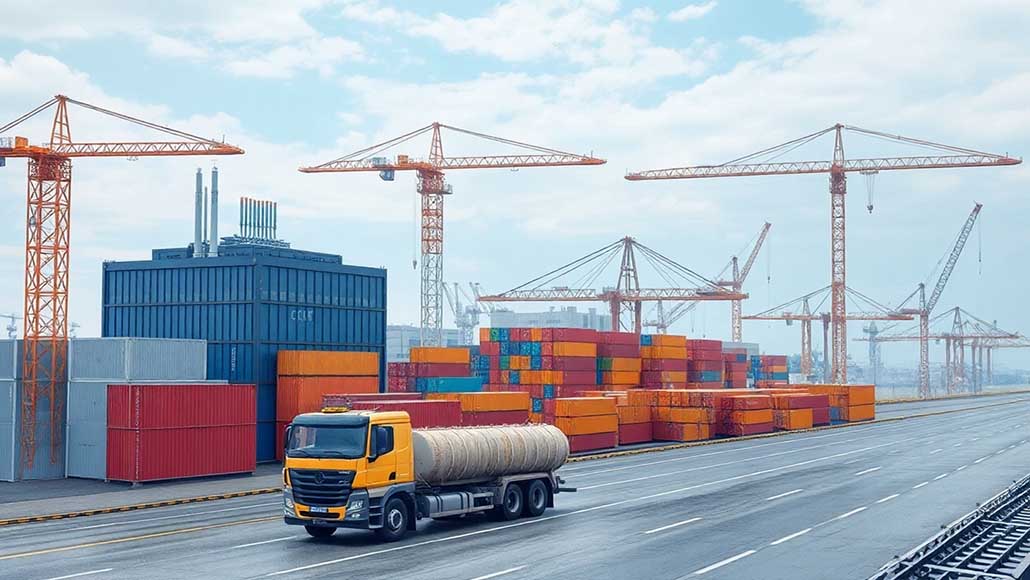
The logistical hurdles are also driving the supply chain disruptions. Like the situation where there is congestion at key Asian ports, like Singapore and Hong Kong, which is extending lead times and freight rates. Such logistic jams are compounded by a lack of shipping containers, global fuel price volatility, and shortage of labour at key points of the supply chain.
The Role of Technology and Innovation
As the industry grapples with these challenges, technological innovation emerges as a key enabler of resilience. Digital tools like real-time tracking, analytics, and AI-enabled demand forecasting, are rapidly becoming a core component of supply chain management to improve visibility, anticipate disruptions, and permit decision-making.
For example, a number of larger construction firms are using blockchain-based platforms to provide comprehensive and secure procurement of construction supply and delivery tracking to avoid fraud and delays. Digital twins—computer-based simulations of real-world supply systems—provide project managers to map out scenarios and fine-tune logistical paths before construction occurs, saving time and costs.
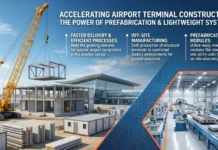
Furthermore, prefabricated construction methods have also gained traction in Asia based on the processes observed in the construction supply chain. Prefabricated modules are built offsite in controlled conditions, after which they are transported and assembled on site for construction. The method produces less reliance on susceptible logistics, less material waste through segregation, and earlier project completion—particularly advantageous when construction supply chains are at their most vulnerable.
Domestic players are also proactively encouraging collaboration with their domestic suppliers through vertical integration to mitigate reliance on overseas supply chains. For instance, in Japan, certain construction companies are taking stakes directly in domestic steel production plants, guaranteeing stable quality and supply reliability.
Sustainability as a Catalyst for Supply Chain Transformation
Sustainability considerations have moved from niche concern to central strategic driver across Asian construction markets. Governments are introducing tighter regulations seeking to drive down carbon footprint, encourage use of recycled materials, and establish circular economy approaches. These policies are shaping supply chain configurations, where businesses are being incentivized to focus on environmentally friendly sourcing, local procurement, and creative material development.
The need for environmentally friendly building materials—low-carbon concrete, recycled steel, and sustainable wood products — is growing at an astonishing rate. This shift necessitates the redesign of supply chains to source, and determine certification criteria to approve environmental credentials, alternative materials.
Embedding sustainability in supply chain management is not only providing compliance with regulatory requirements; it is allowing the company to enhance its reputation, attract green investors, and meet an increasingly green consumer. Consequently, companies are investing in building supply chains that allow them to source, transport, and implement greener materials.
Market Trends and Growth Dynamics
As Asia’s construction market continues to grow, there is an increasing demand for high quality, sustainable, and tech-savvy supply chain solutions. The growth trajectory is supported by government investment in transportation, urban renewal, and renewable energy infrastructure.
One of the more prominent trends is the full acceptance of digitalisation and analytics-based supply chain management. The large construction companies in Asia are embracing digital platforms to make procurement easier, logistics transparent and inventory management responsive. Digital platforms help organisations decrease costs, reduce wastage, and mitigate delays in a highly competitive trade environment.
Yet another significant trend includes supply chain localisation at the regional level. Vietnam, Indonesia, the Philippines, and others are building in-country manufacturing follow-on capabilities for construction products to lower import reliance and increase supply certainty. Reshoring is part of a larger strategy from the geopolitical stage and economic diversification.
Problems and Strategic Solutions
While there are positive trends there are still serious issues. Supply chain fragmentation continues to be the key core problem, with most pressing still largely uncoordinated fragmented supply chains. Fragmentation results in additional time delays, higher costs, and often forces the impact of potential economic returns from supply chain modernisation.
Local differences in infrastructure development and regional inequities also create uncertainty when developing an integrated supply chain system across regions. Advanced countries (eg., Singapore and Japan) are able to offer more advanced digital logistics systems. Lesser developed economies are challenged to grow due to both poor infrastructure and limited technology as a result.
Developing solutions to these problems requires regional coordination and collaboration among private and public sectors. Governments can also contribute to solutions and act as an engine of growth through investments in transport infrastructure, common regulations, and development of digital ecosystems. Some countries across Southeast Asia are already developing cross-border logistics corridors and regional digital trade platforms with the potential to contribute to better coordination and lower costs.
Workforce development is another area of emphasis—preparing workers in digital literacy, sustainable methods, and innovative construction methods to ensure the readiness of the industry to take advantage of new models of supply chains. Industry leaders indicate that innovation has to be accompanied by human capital development so that potential benefits from these revolutionary efforts can be maximized.
Conclusion: Building a Resilient Future
The future of construction supply chains in Asia should depend upon the interaction of new technologies, collaboration in the region, and a proactive focus on sustainability. Current initiatives to localize manufacturing, digitalise their supply chain management, and embrace sustainable practices are establishing a groundwork for a construction industry that is more resilient, efficient, and sustainable.
Moving forward requires a holistic appreciation of local complexities and a solid commitment to progress. As industry leaders emphasise, to facilitate positive digitalization and sustainability means to realise that they are not simply strategic advantages – they are now essential for ensuring the future growth and stability of Asia’s construction industry.
By 2028 the region will start to experience a gradual shift towards fully integrated, sustainable supply networks to support expansive urbanization and infrastructure goals. We shall see that the effectiveness of those initiatives does not simply determine the delivery of these projects, it will shape whether the construction industry in Asia can sustain its high-speed growth while honouring the environmental and social responsibilities of our time.